
UK and EU weigh tariff cuts as fertilizer rules tighten
UK and EU policymakers are trying to bring down fertilizer costs without losing control of safety, climate and trade risks.


UK and EU policymakers are trying to bring down fertilizer costs without losing control of safety, climate and trade risks.

A coalition of European energy-intensive industries, including Fertilizers Europe, has called for an EU-wide cap on electricity network tariffs, warning that rising grid charges are becoming a “structural burden” on their global competitiveness and threatening investment in decarbonisation.

Avenir Minerals is moving to take Fox River Resources private to gain full control of the Martison phosphate project in northern Ontario, signalling serious intent to advance a rare, large-scale igneous phosphate asset aimed at North American fertilizer and battery markets.
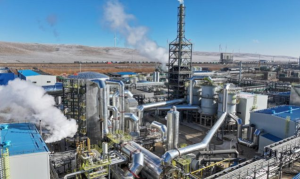
Russia’s EuroChem has brought online a new sulphuric acid plant in Kazakhstan’s Zhambyl Region, creating one of the country’s largest sulphuric units with a design capacity of 800,000 t/y.
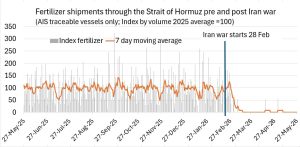
Strait of Hormuz disruptions linked to the Iran war have choked off fertilizer shipments from the Middle East and pushed prices sharply higher, prompting a wave of emergency support and trade measures as governments try to shield farmers ahead of key planting seasons.
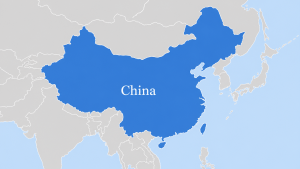
China’s sulphuric acid exports fell 49% year on year to 666,808 t in the first four months of 2026 as Beijing moved from quota controls to a full export halt from May, removing a key supplier from the seaborne market at a time of already tight balances.
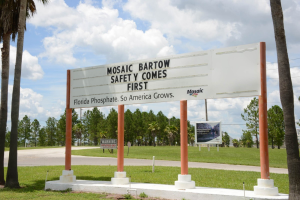
Mosaic has withdrawn its 2026 phosphate production guidance and is cutting rates at key US and Brazilian plants as record sulphur prices compress stripping margins in an already tight phosphate market.
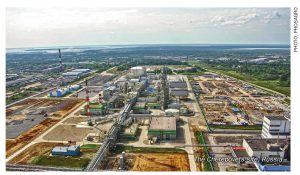
Multiple drone strikes have hit the industrial city of Cherepovets in Russia's Vologda Oblast region, according to Russian news agency TASS. The area contains PhosAgro's largest phosphate fertilizer production site. Cherepovets has a production capacity of around 700,000 t/a NPK and around 814,000 t/year DAP/MAP, according to CRU data, making it the largest phosphate fertilizer production site across Europe and the CIS. The site also contains several sulphuric acid plants with a combined capacity of 4.5 million t/a, making it Russia's largest production hub for the acid. This entire volume is consumed domestically.
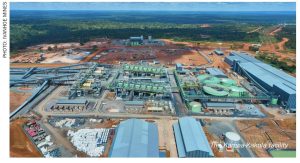
Canada-based Ivanhoe Mines stands to benefit from any sulphuric acid shortage caused by prolonged closure of the Strait of Hormuz now that the company is running a copper smelter, according Co-Chairman Robert Friedland. The 500,000 t/a direct-to-blister smelter at company-operated Kamoa-Kakula mine in the Democratic Republic of Congo produced its first anodes at the turn of the year.

The Zambian government has introduced a new permit system to manage the export of sulphuric acid, which came into effect on 27 March, 2026, according to an announcement from the Ministry of Commerce, Trade and Industry. The move comes at a time of significant exceptionally high prices and sourcing challenges in the global sulphur market, adding another layer of tightness for regional consumers. The Ministry stated that the measure is designed to correct a "critical market imbalance" and ensure supply for the country's domestic industries. The system aims to safeguard local downstream sectors that rely on the acid, while still ensuring that the needs of the export market are met, it said.