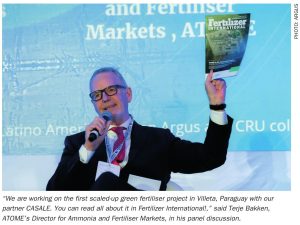
Fertilizer Latino Americano 2026
Selected highlights from this year's three-day conference.


Selected highlights from this year's three-day conference.
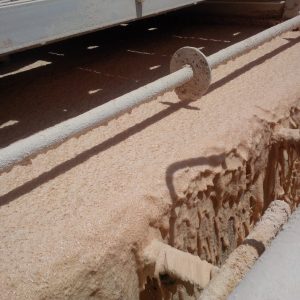
Benoit Grymonprez and Guoxin Wang show how Arkema is developing long-lasting solutions to the new challenges faced by phosphate operations globally.
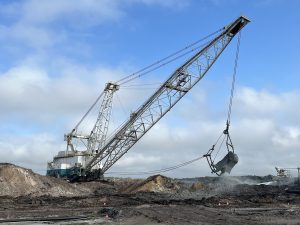
Transformational beneficiation improvements are presented in this case study by Keenan Collins, Jayden Ladebruk and Edward DeRose of Hatch.
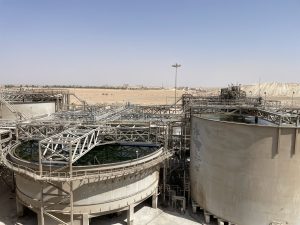
Avoiding solids settling and sludge formation during MGA transport is vital, say Jan Tytgat , Process Engineering Manager, De Smet Agro.
Fertilizer International presents a global round-up of phosphate rock, phosphoric acid and finished phosphates projects.

A complete listing of all articles and news items that appeared in Fertilizer International during 2025.
For the first time in twelve years, we are taking MEScon beyond the Middle East with the launch of MEScon Connect: Central Asia, with the goal of expanding the community.

Coromandel International says that it has started trial production at its new sulphuric acid and phosphoric acid plants in Kakinada, Andhra Pradesh. The company says that this marks a crucial step towards transforming the unit into a fully integrated facility
The government of Pakistan has published a ‘strategic roadmap’ for the country’s major Coal-to-Fertiliser (C2F) initiative. The project is being executed by the publicly-owned Fauji Fertiliser Company (FFC), and will use local coal reserves at Thar as feedstock for the ammonia plant, which will in turn feed 720,000 t/a of urea capacity. The $1.1 billion project aims to strengthen the country’s fertiliser security as well as add value to local resources. A bankable feasibility study was completed in November 2025, and the project is now in the Front-End Engineering Design (FEED) and project agreements phase. Under the proposed timeline, financial closure is expected between late 2026 and 2027, while commercial operations are targeted to commence in January 2031.
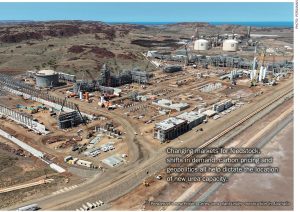
Changing markets for feedstock, shifts in demand, carbon pricing and geopolitics all help dictate the location of new urea capacity.