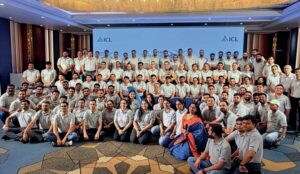
Water-soluble fertilizers – delivering nutrients efficiently
Growers are switching to water-soluble fertilizers (WSFs) and other specialty products to improve nutrient use efficiency. Royie Mashiah of ICL Growing Solutions explains the key drivers.


Growers are switching to water-soluble fertilizers (WSFs) and other specialty products to improve nutrient use efficiency. Royie Mashiah of ICL Growing Solutions explains the key drivers.

Indian urea self-sufficiency remains elusive, with production gains from new urea plants being eroded by rising consumption, as CRU’s Pranshi Goyal explains.

Cover feature! In an exclusive interview, Fertilizer International speaks to Avdhesh Mathur, Naq Global's President and CEO.
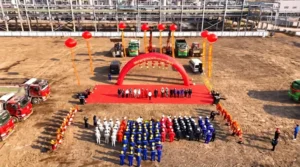
Jilin Connell New Energy Co. Says that ground has been broken on a new 300,000 t/y Sustainable Aviation Fuel (SAF) project at Jilin City.
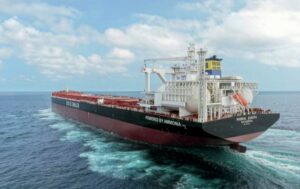
Prospects for low emissions bunkering fuels are looking mixed despite regulatory mandates pushing for a switch away from traditional, fossil-based fuels. Alternative fuels such as ammonia and methanol are increasingly gaining traction as longer-term options to decarbonise fleets.

Declining atmospheric sulphur inputs and rising crop requirements underpin the case for sulphur fertilization. Turning that need into demand, however, depends on farm economics, product suitability and supply availability. Written by Natalie Noor-Drugan, Editor-in-Chief, BCInsight.
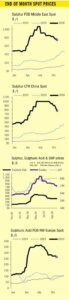
Sulphur prices weakened across several import markets in late October as buyers resisted offers and delayed purchases amid squeezed downstream margins. Tight North American and Middle Eastern export availability limited declines, while shipping constraints and security risks threatened disruption. After rising sharply from late 2025 to multi-year highs in H1 2026, prices retreated from mid-year peaks, particularly in Asian import markets. However, October assessments remained substantially above early-2026 and 2025 levels, with prompt supply constraints and logistics risks supporting some FOB markets.
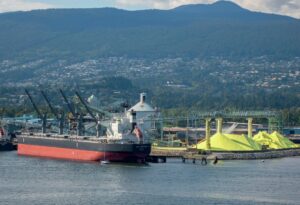
Dry bulk freight costs have become more exposed to a combination of longer trade routes, seasonal demand and disruption at key maritime chokepoints. For sulphur, the effect is clearest where cargoes compete for geared dry bulk vessels or where disruption lengthens voyages and keeps ships away from other routes.

IFA placed emissions reduction centre stage at the recent COP31 conference in Antalya. We take a deep dive into decarbonisation in this 2024 article from our archive.
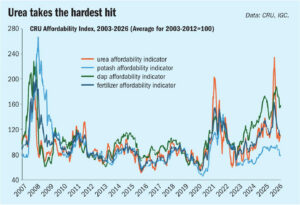
Stronger crop prices and lower urea prices eased the pressure on nitrogen fertilizer buyers after the sharp squeeze in the first half of 2026. But the relief was uneven, with regional supply conditions and differences between products shaping the recovery in buying.