Category: Europe

HIP Azotara to be dismantled for data centre

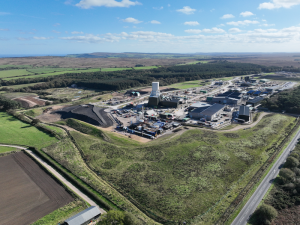
The nitrogen plants at HIP’s Azotara site are to be dismantled and removed as part of plans to convert the site to a data storage facility. Plants to be removed include the urea plant and urea storage facility, the UAN liquid storage facility, the calcium ammonium nitrate and nitric acid plans, and thegrain storage societies. In addition, the entire Block 6 is planned to be removed, which includes ammonia plants and storage, nitric acid and urea production, all of which have been out of operation for a long time.

NextChem and Siemens to cooperate on maritime methanol fuel cells

NextChem and Siemens Energy have signed a memorandum of understanding to cooperate on the development and commercialisation of a high temperature methanol fuel cell, based on a newly designed modularised solution. With an initial focus on the high-end yachting segment, the target market for the cooperation is the maritime industry and beyond. According to the MoU, NextChem will focus on the design and supply of the methanol fuel cell module, while Siemens Energy will leverage its expertise in onboard system integration, complete electrification and energy management with the aim of delivering a complete solution to shipyards and owners.

Agreement on electrolyser technology for methanol plant

Topsoe has signed an offtake agreement to provide its Solid Oxide Electrolyser Cell (SOEC) technology for Forestal’s Triskelion green methanol plant in Galicia. The SOEC’s will be delivered from Topsoe’s manufacturing facility in Herning, Denmark, which is nearing the final stage of readiness for industrial-scale production. The agreement, which includes a 10-year service warranty program, builds on Topsoe’s existing agreement with Forestal, announced in December 2024, to provide its e-methanol synthesis technology, catalysts and engineering for highly efficient e-methanol production.

Clariant to supply catalyst for electric reformer

Clariant has signed a supply agreement with SYPOX to manufacture and deliver catalysts for what is claimed to be the world’s largest electric steam methane reformer (e-SMR). The project combines SYPOX’s electrical reformer technology with Clariant’s expertise to enable syngas production with significantly reduced CO2 emissions. Scheduled to begin operations in 2026, the e-SMR will use 10 MW of renewable electricity to generate approximately 150 t/d of syngas.

Cooperation agreement for e-fuels demonstration plant

Sasol and Topsoe have signed a cooperation agreement with the German Aerospace Centre (DLR) and EPC contractor Griesemann for the construction, operation and research and development activities of DLR’s sustainable aviation fuels demonstration plant at the Leuna Chemical Complex, Germany. The demonstration plant is currently under construction and expects to produce 2500 t/a of e-fuels, starting in Q4 2027. The e-fuels produced will comprise mainly of kerosene, using renewable feedstocks such as biogenic CO2 and green hydrogen. With €130 million of funding secured from the German Federal Ministry for Transport, the plant will be the largest demonstration and research facility globally for the production of e-fuels.

Feasibility study on sustainable methanol plant

NextChem subsidiary MyRechemical has been selected by Mana Group and Equinor to conduct a feasibility study for a waste-to-methanol plant at Norway's Mongstad refinery. The project will use NX Circular™ technology to convert urban and industrial waste into chemical grade syngas which will be further processed to produce low-carbon methanol. The facility is expected to produce circular methanol with a low carbon footprint, eligible under the EU Renewable Energy Directive criteria. This methanol could initially replace marine bunker fuel to meet the targets of the FuelEU Maritime regulation, exempting final users from buying ETS credits and paying penalties, and potentially later be used as feedstock for methanol-to-jet facilities to produce sustainable aviation fuel (SAF) compliant with FuelEU Aviation regulation.

Aurubis completes major maintenance at Pirdop plant

Aurubis says that it has successfully completed scheduled maintenance at its Pirdop plant on time. The two-month operation marked the largest planned maintenance shutdown at the site in the past 30 years. With an investment of €115 million, Aurubis says the work ensures the long-term reliability and performance of the facility. Key upgrades included a full overhaul of the flash smelter, replacement of two electrostatic precipitators, and a major modernisation of the sulphuric acid production line. This modernisation involved installing a new converter and replacing six heat exchangers.