Nitrogen+Syngas 399 Jan-Feb 2026

MoU on new urea plant


RUSSIA

MoU on new urea plant

Uralchem JSC and three Indian fertiliser companies; Rashtriya Chemicals and Fertilizers Ltd (RCF), National Fertilizers Ltd (NFL), and Indian Potash Ltd (IPL) have signed a memorandum of understanding to set up a joint venture to construct a urea plant in Russia. The signing ceremony was held in New Delhi in December during a state visit by Russian president Vladimir Putin to India.

The capacity of the urea plant is expected to be in the range of 1.8-2.0 million t/a, with the agreed basis for the joint venture being a supply of ammonia from Togliattiazot JSC and the financing of the project by the Indian companies until the commencement of the plant’s commercial operation. The technical parameters and financial viability of the project are currently under detailed examination. The parties are also negotiating the corporate structure and governance approach in respect of the joint venture.

Dmitry Konyaev, Uralchem CEO said: “India is a leading agricultural player globally and also one of the world’s biggest consumers of mineral fertilisers. For Uralchem Group, India has historically been a strategic market, and we are committed to expanding and deepening our cooperation with Indian partners. We welcome this memorandum, which is another step in the continuous development of our long-term and mutually beneficial relations.”

Latest in Agricultural

Cherepovets hit by drone strikes; phosphate impact unclear

Multiple drone strikes have hit the industrial city of Cherepovets in Russia's Vologda Oblast region, according to Russian news agency TASS. The area contains PhosAgro's largest phosphate fertilizer production site. Cherepovets has a production capacity of around 700,000 t/a NPK and around 814,000 t/year DAP/MAP, according to CRU data, making it the largest phosphate fertilizer production site across Europe and the CIS. The site also contains several sulphuric acid plants with a combined capacity of 4.5 million t/a, making it Russia's largest production hub for the acid. This entire volume is consumed domestically.

CRU Phosphates+Potash conference focuses on sulphur

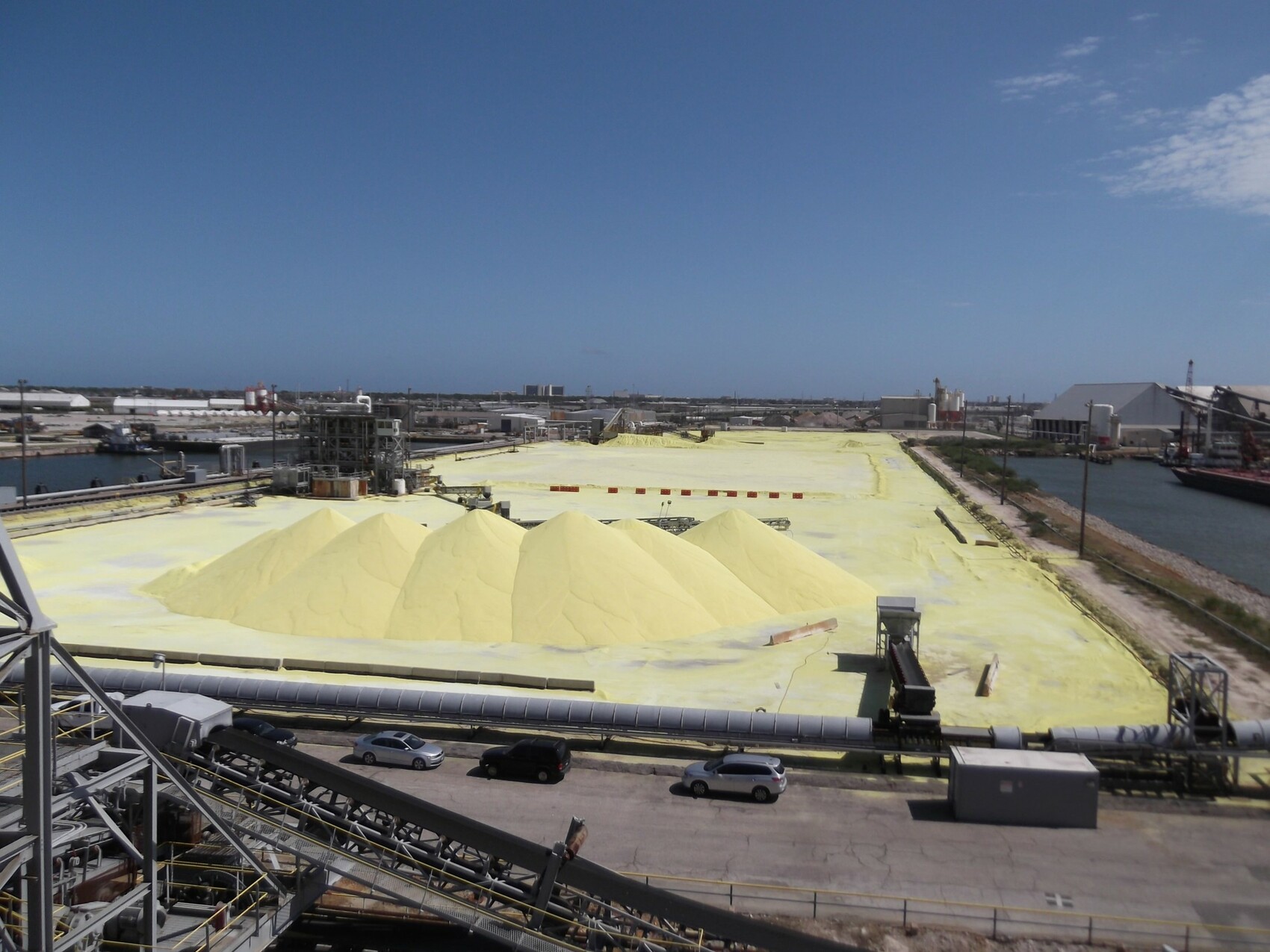
CRU’s Phosphates+Potash Expoconference was held in Paris in mid-April, with the Iran crisis uppermost in everyone’s mind. Margins are under pressure, sulphur has become a strategic constraint, and the phosphates investment pipeline is thin. CRU Principal Consultant Humphrey Knight examined the fallout from the closure of the Strait of Hormuz, noting that fertilizers have been hit harder than most bulk commodities. A large share of exportable sulphur and traded urea normally originates in, or passes through, Gulf producers. The effective closure of the strait has squeezed the traded part of these markets, where international prices are set, and pushed benchmarks up sharply. The global phosphate market is structurally tight, and the combination of Chinese export policy and Middle East logistics has pushed the traded segment into a much more fragile state.