• Skip to main content

    Category: Energy Transition

    The odyssey of green ammonia: optimising levelised cost

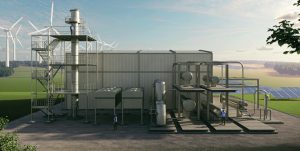
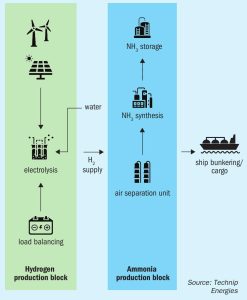
    Green ammonia production facilities can be situated in remote areas with access to often fully off-grid renewable power supply. This article examines plant concepts and discusses the challenges and solutions for these plant architectures. Through a case study, an efficient and innovative methodology to compare options and optimise the sizing of the plant is presented. The methodology addresses the intermittency of the power production, the flexibility limits of the main process units, and the costs of investment and operation, using proprietary techno-economic dynamic simulation software, Odyssey.

    Digitalised sulphur recovery plants for greater plant efficiency

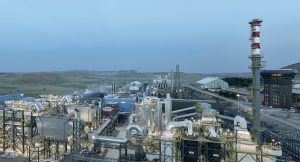
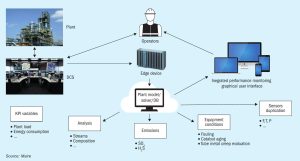
    The pursuit of operational excellence requires continuous process monitoring, together with qualified analysis of the collected data. The Digital Process Monitor (DPM) provides a process digital twin which consists of an accurate process plant model that incorporates the licensor’s knowledge and expertise in sulphur recovery technology, thereby providing continuous insights into plant performance. This article provides an overview of the DPM features focusing on the related benefits in terms of overall operational improvements and plant efficiency for the sulphur recovery unit.

    Ammonia combustion for large furnaces

    Ammonia has been recognised as an advantageous hydrogen and energy carrier. This article focuses on the use of ammonia as fuel in steam reformers and ammonia crackers in order to reduce or completely eliminate direct CO2 emissions. Ammonia combustion knowledge is especially important for ammonia crackers with respect to the recycling of unconverted ammonia. Air Liquide is constructing an industrial scale pilot plant in Antwerp, planned to be operational in 2024, that will be used to demonstrate ammonia cracking and combustion in a process furnace with a multiple burner configuration.

    Change is already here

    One of the things that produced a lot of worried news headlines over the past couple of years is whether the energy transition is likely to lead to a shortage of sulphur as we switch away from fossil fuels on a large scale. As we’ve discussed in this magazine, those fears are overblown, certainly in the medium term future. Peter Harrison of CRU tackled the issue in his sulphur markets presentation at the recent Sulphur and Sulphuric Acid conference in New Orleans, and while he did admit to some reduction in sulphur supply from oil in the 2030s and increasing into the 2040s, increased sulphur recovered from sour gas is likely to more than make up for that at least until the 2040s. But one of the things that did strike me about his presentation is the extent to which the energy transition is indeed already changing the way that the sulphur market works, and will increasingly do so over the next few years.