
Fertilizer International
Comprehensive coverage of the global fertilizer industry



Where technical knowledge and market insights meets networking. Develop deeper connections to our vibrant community of industry experts and innovative thinkers via magazines, training and our large-scale, international and regional conferences and exhibitions

Discover the comprehensive ways we can help promote your product or company through online and print advertising and sponsoring or exhibiting at one of our leading industry events.

Comprehensive online buyer’s guide providing details of suppliers of process technologies, equipment, products and services tailored for the fertilizer, sulphur and sulphuric acid industries

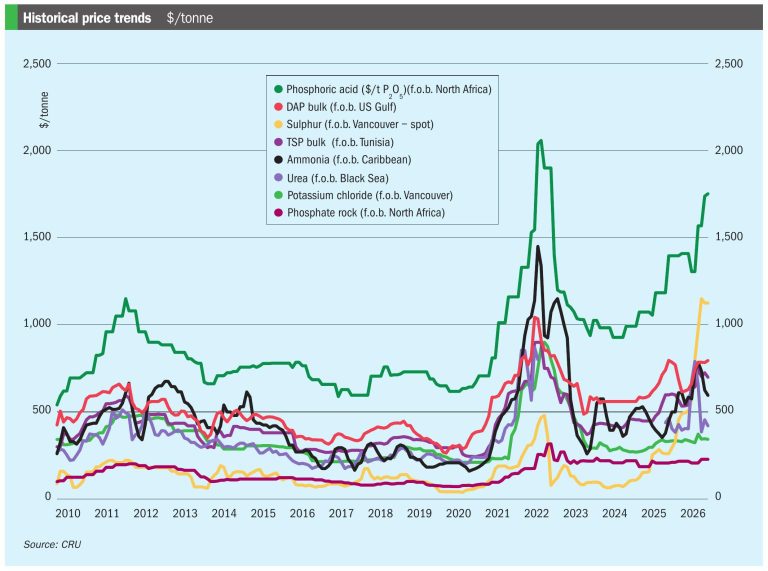
Subscribe to our industry leading magazines – Fertilizer International, Nitrogen+Syngas and Sulphur – providing valuable insight, unrivalled technical coverage, historical price trends, market outlooks and in-depth reporting on projects, processes and environmental issues










Where technical knowledge and market insights meets networking. Develop deeper connections to our vibrant community of industry experts and innovative thinkers via magazines, training and our large-scale, international and regional conferences and exhibitions

Stay updated on the latest news, articles, insights and conferences by connecting and engaging with our LinkedIn and X channels

Subscribe to our industry leading magazines – Fertilizer International, Nitrogen+Syngas and Sulphur – providing valuable insight, unrivalled technical coverage, historical price trends, market outlooks and in-depth reporting on projects, processes and environmental issues