Decarbonisation

28 July 2026
Vateris starts customer SOP trials
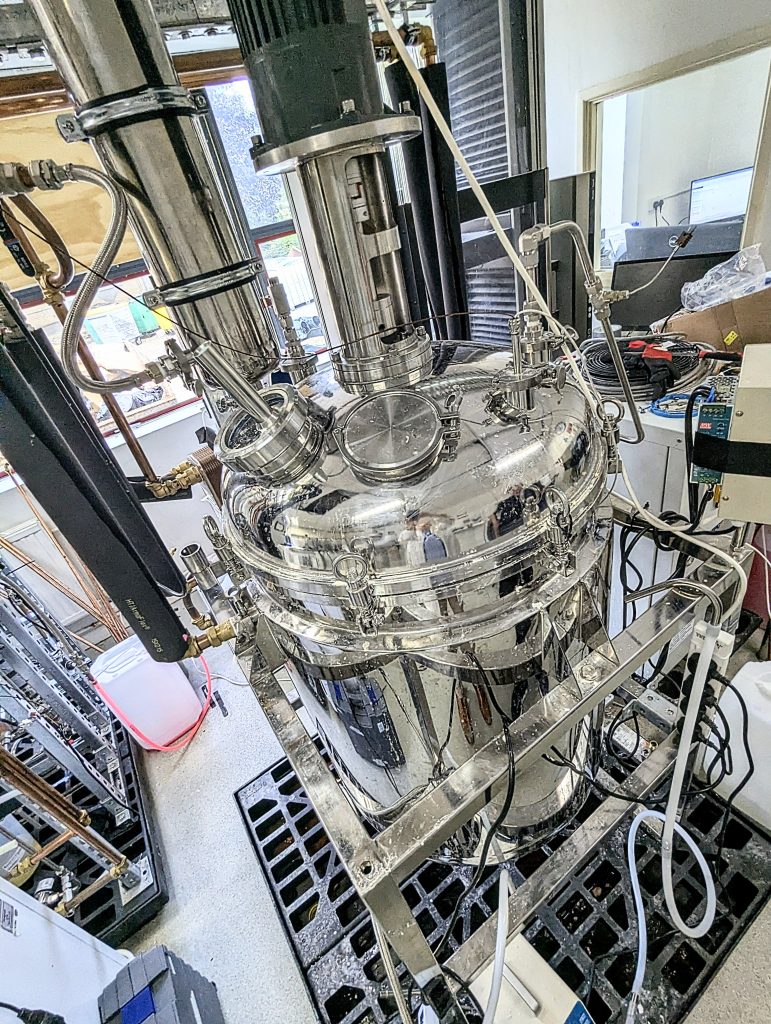
UK-based start-up Vateris has started supplying potassium sulphate (SOP) samples from its pilot plant to fertilizer industry customers for trials. This follows the successful ramp-up of the company’s pilot production plant in Nottingham, UK, earlier this year.
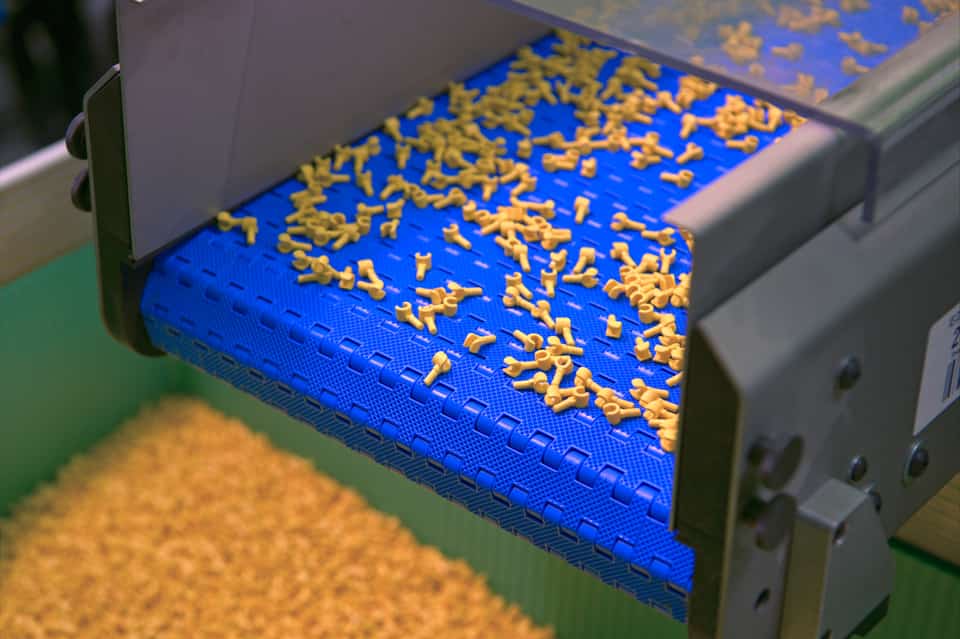
SOP samples produced at the plant are now being sent to a number of fertilizer manufacturers and distributors across Europe, who will run independent trials and evaluate the product. This will allow potential customers to assess both the quality and physical characteristics of the product — as well as directly benchmark Vateris SOP against currently available products from established market suppliers.
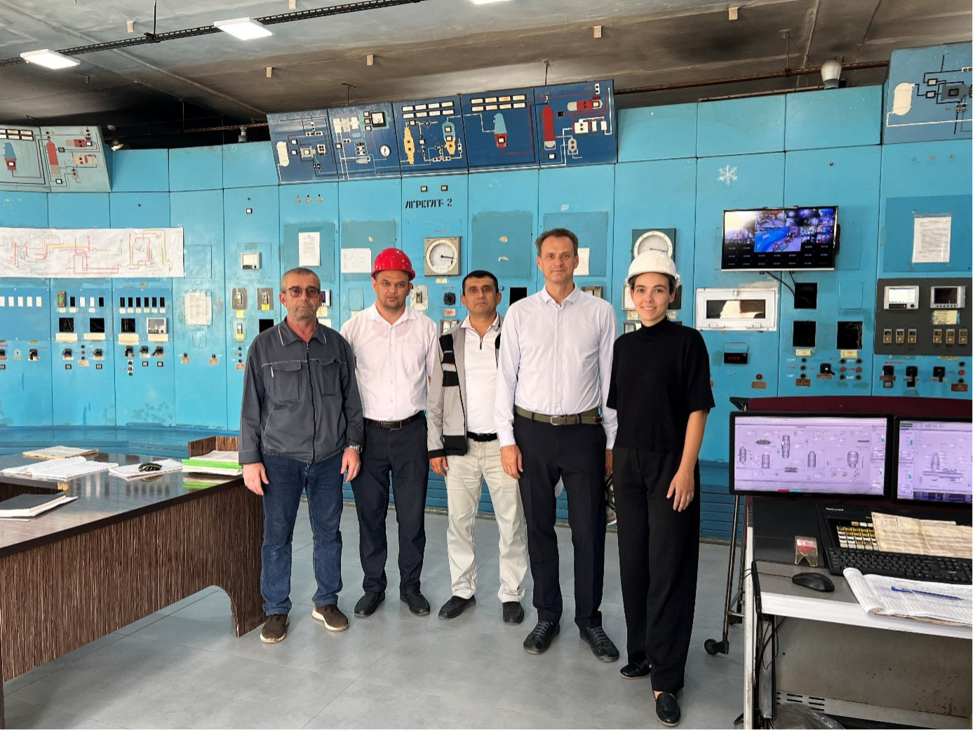
According to Vateris, the move from pilot-scale production to customer trials represents an important validation of progress to date and marks a significant achievement for its team in recent months. The company is developing a new, innovative route to high-purity SOP production, with a focus on delivering:
- High K₂O content
- Very low chloride levels
- Optimal physical properties suitable for NPK fertilizer production and direct use in fertigation
- A more localised supply source for European customers.
“As the global fertilizer industry continues to seek reliable and sustainable sources of specialty nutrients, Vateris believes there is a growing opportunity for a new, European-produced SOP [product] that combines quality, consistency and security of supply. With today’s exceptionally high prices for sulphuric acid, the Vateris SOP process offers an attractive alternative since it uses gypsum as the sulphate source,” the company said in a statement.
Vateris is bringing to market a proprietary process that converts industrial flue gas CO₂ and gypsum into high-performance materials. These include calcium carbonate (GypCarb®) and high-purity potassium sulphate (SOP).
Founded in 2021 as Concrete4change, the company is staffed by a multidisciplinary team of 20 with expertise and industry experience in carbon capture, construction, chemicals and fertilizers. Vateris currently operates a pilot-scale plant in Nottingham and is preparing to build a commercial-scale demonstration plant in the UK.
“Having spent more than twenty years in the fertilizer industry, I have rarely seen a new innovative SOP project progress from concept to customer evaluation with such encouraging momentum. The quality of the product coming from our pilot plant, combined with the positive response from potential customers, reinforces our belief that Vateris can become an important new European source of high-purity SOP. We look forward to working closely with industry partners as we move towards commercial production and build the next chapter of this exciting journey,” said Dr Nicolas White, Director Fertilisers, Vateris.
He added: “What began as a concept is now becoming a product in the hands of potential customers across Europe. Feedback from the evaluation process so far has been very encouraging, giving the company confidence as it works towards commercial offtake agreements and letters of intent.
“This close, hands-on collaboration with customers mirrors the approach Vateris has followed with GypCarb® customers in concrete trials over the past two years, some of whom have since become investors. The company sees close customer collaboration during this validation phase as a route not only to securing offtake, but potentially to deeper commercial and investment relationships – bringing Vateris one step closer to establishing a new European source of high-quality SOP for the fertilizer industry.”
The announcement of customer trials on 23rd July coincided with a visit by Fertilizer International to the company’s Nottingham offices and pilot plant. An article on Vateris and its proprietary SOP production process will feature in an article in our forthcoming September/October magazine.
Efforts to commercialise a less energy intensive process for SOP production — versus the conventional Mannheim route — are timely. A roadmap to decarbonise the phosphate and potash industries was published by sustainability consultancy ERM earlier this month. It has heavyweight backing from global trade body the International Fertilizer Association (IFA) and the European Bank for Reconstruction and Development (EBRD).
Established European producers are starting to tackle their carbon footprint and production emissions. Germany’s K+S, for example, launched its low-carbon C:LIGHT range of potassium and magnesium fertilizers last year. These include a low-carbon version of the company’s KALISOP potassium sulphate fertilizer.
In a rescues move, leading SOP manufacturer Tessenderlo also acquired a 50,000 tonnes per annum capacity low-carbon SOP plant in Sweden in April. This was previously owned and operated by Cinis Fertilizer and uses the low temperature glaserite process to produce potassium sulphate.