Asia
10 June 2026
Tokyo pilots green hydrogen-to-fertilizer link
Written by Natalie Noor-Drugan
Japan’s Tsubame BHB has been picked by the Tokyo Metropolitan Government (TMG) for a one‑year pilot to turn Tokyo‑produced green hydrogen into nitrogen fertilizers. The “Nitrogen-based Fertilizer Production Project Using Tokyo-Produced Green Hydrogen” will run from 1 April 2026 to 31 March 2027.
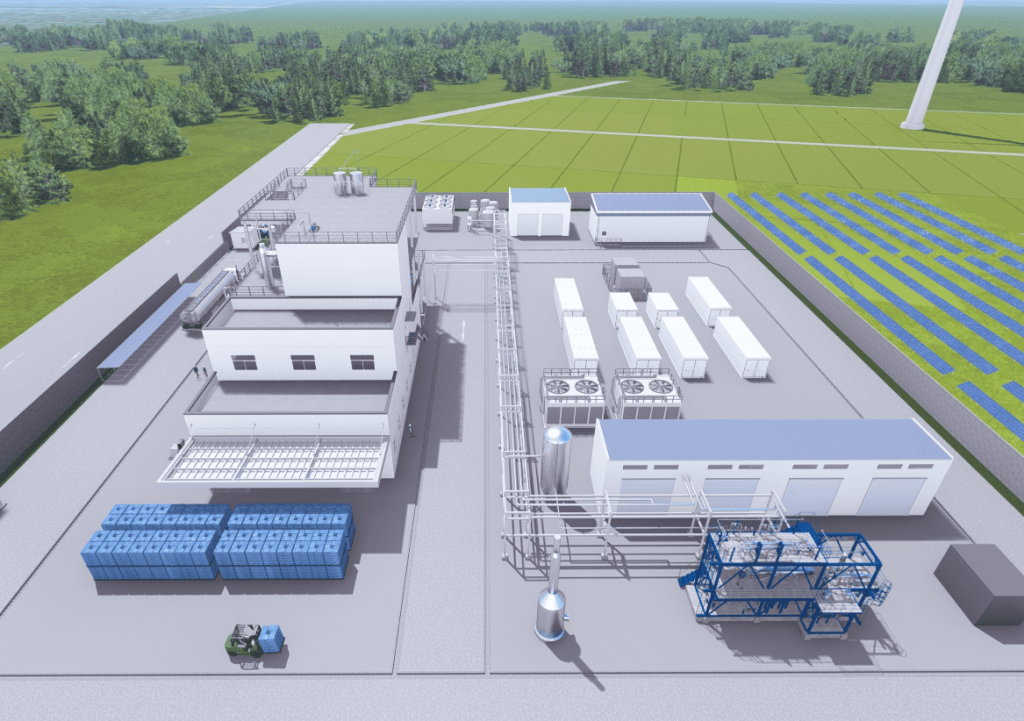
Green hydrogen from a new TMG facility in Keihinjima, Ota Ward, will be supplied to Tsubame BHB’s pilot ammonia plant once the hub starts up in October 2025. The ammonia will be used with partner companies to make trial batches of nitrogen fertilizer, directly connecting an urban hydrogen hub with fertilizer‑grade ammonia output. TMG has identified green hydrogen from renewables as a key tool for cutting emissions from conventional “grey” hydrogen‑based ammonia production.
Tsubame BHB’s low‑temperature, low‑pressure ammonia technology is designed for smaller, decentralised plants located close to end users. The Yokohama‑based company, founded in 2017, uses an electride catalyst developed at the Institute of Science Tokyo to lower energy use and enable “close‑to‑use” fertilizer supply. It has already booked orders for two units in Japan and is pursuing projects in Brazil, India and parts of Africa.
German technology group Heraeus became Tsubame BHB’s first foreign investor in 2024, calling the electride‑based process “a new environmentally friendly and efficient technology for decentralised ammonia production” that “enables energy‑saving and cost‑effective ammonia production”. Heraeus said the approach supports green ammonia from renewable hydrogen, “saves transportation cost and avoids the risk of supply disruptions” and helps decarbonise the ammonia value chain.
Tsubame BHB has also been named in the 2025 Global Cleantech 100, the first Japanese company to make the list, and has exhibited at COP28 and been selected for Japan’s pavilion at COP30. For fertilizer producers and distributors, the Tokyo pilot offers a practical reference for how modular, urban‑adjacent ammonia capacity can tie into local hydrogen hubs to secure supply and cut Scope 1 and 2 emissions.