North America

27 May 2026
Nebraska’s $1bn Project Meadowlark advances
Written by Natalie Noor-Drugan
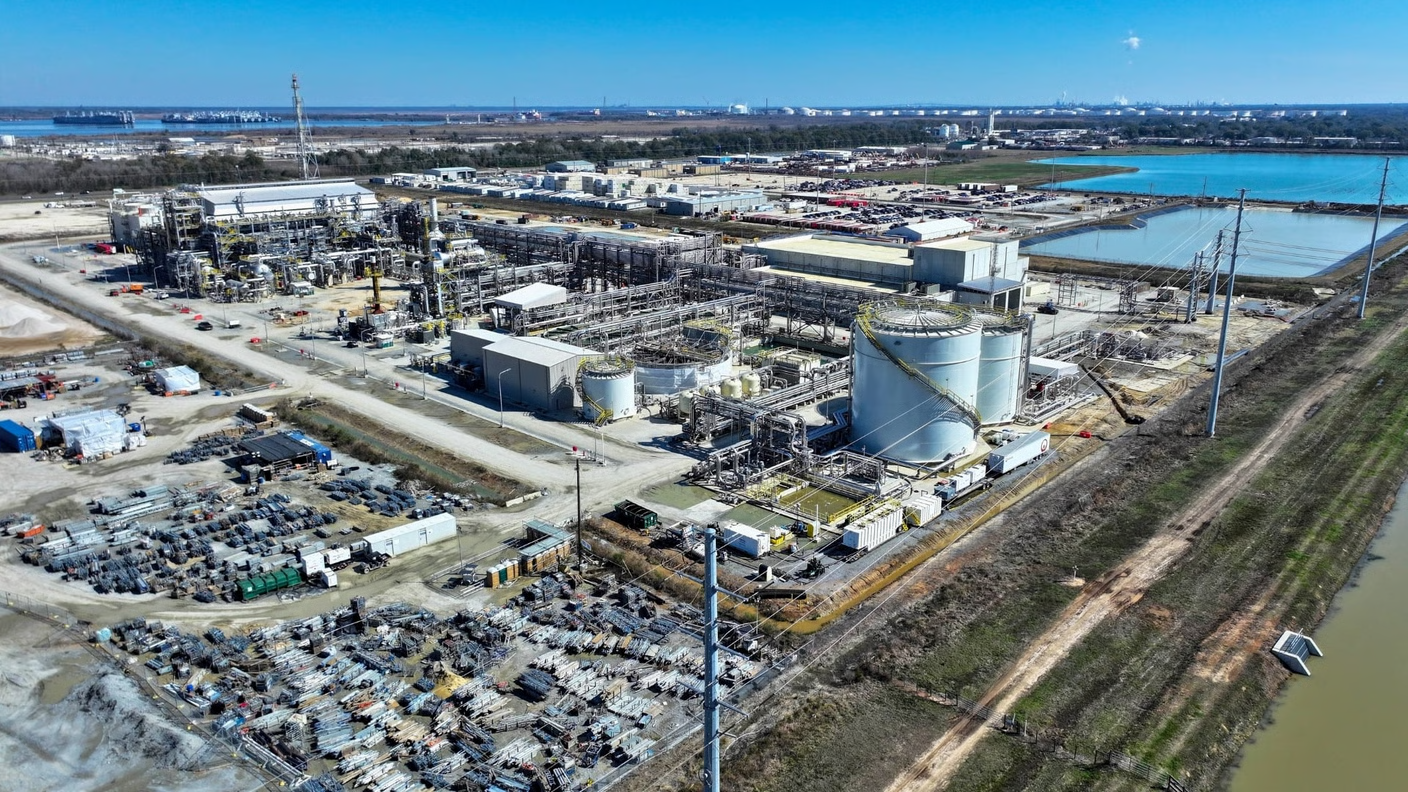
Project Meadowlark, a more than $1 billion homegrown nitrogen fertilizer complex in Gothenburg, Nebraska, has cleared key early milestones as it targets civil works in 2027 and commercial operations by 2029. The plant is designed to convert all ammonia output into finished products, with stated capacity of 365,000 short ton per year (st/y) of UAN, 140,000 st/y of ATS and 52,000 st/y of Diesel Exhaust Fluid (DEF) for regional farm and transport markets.
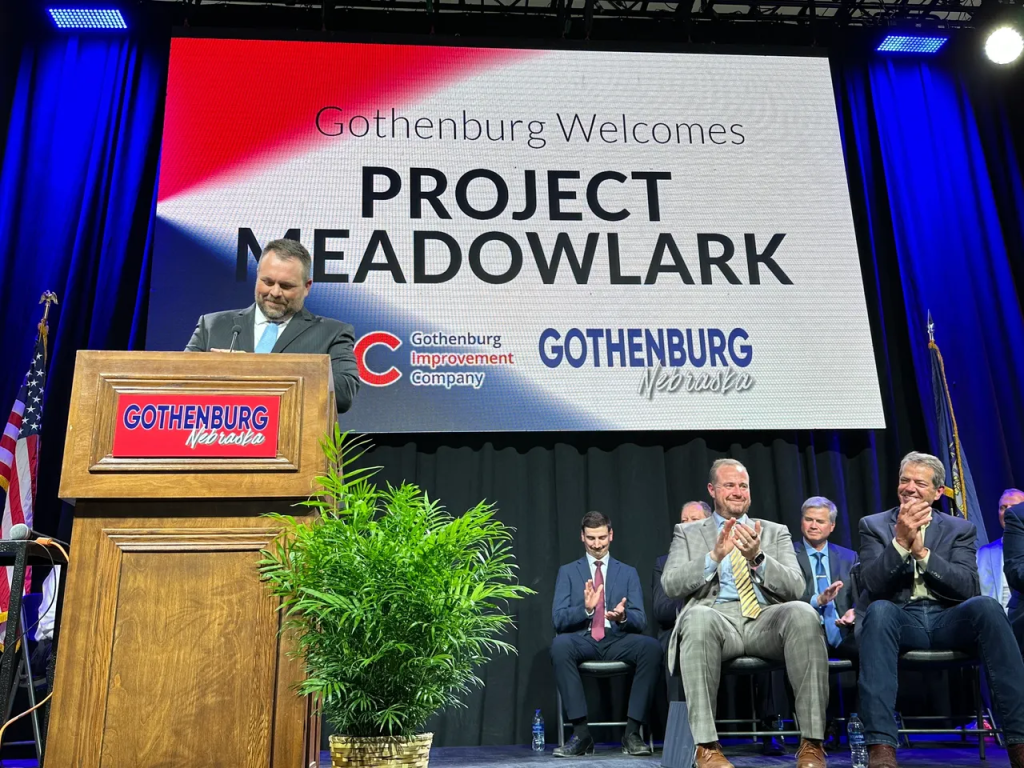
City officials in Gothenburg have granted the site, which is fully zoned and entitled, while the developer reports that an air permit has been issued and an engineering, procurement and fabrication contract secured. The backers say they are “moving with the urgency Nebraska’s farmers deserve, while maintaining the engineering rigor and safety standards required for a facility of this scale.”

The project is pitched squarely at Nebraska’s structural nitrogen deficit. The state generates close to $40 billion a year in farm cash receipts, yet most liquid fertilizer or its components used in the United States are still imported, leaving growers exposed to “supply chain shifts and geopolitical disruptions thousands of miles away.” Project Meadowlark is framed as a way to give Nebraska producers a reliable domestic stream of liquid fertilizer and to underpin US food security.
Developer J Westling & Co. reports strong local support, crediting “visionary farmer-aligned partners and members of Nebraska’s farming community” with helping raise $50 million in development capital to date. The $50 million raised so far is earmarked for development ahead of a planned project‑finance raise to fund full construction of the more than $1 billion complex. The company was founded by Nebraskan Joshua Westling, who previously developed the Fortigen nitrogen fertilizer plant in Nebraska in 2018, described as one of only a handful of meaningful greenfield nitrogen builds in the United States in more than three decades.