Middle East

ADNOC Gas maps Habshan recovery after April strikes

Written by Natalie Noor-Drugan


ADNOC Gas has outlined a staged recovery plan for its Habshan complex after April attacks and the closure of the Strait of Hormuz, while reporting sharply stronger sulphur earnings on the back of firm prices and resilient output elsewhere in its network.

Habshan incidents and current operating rate

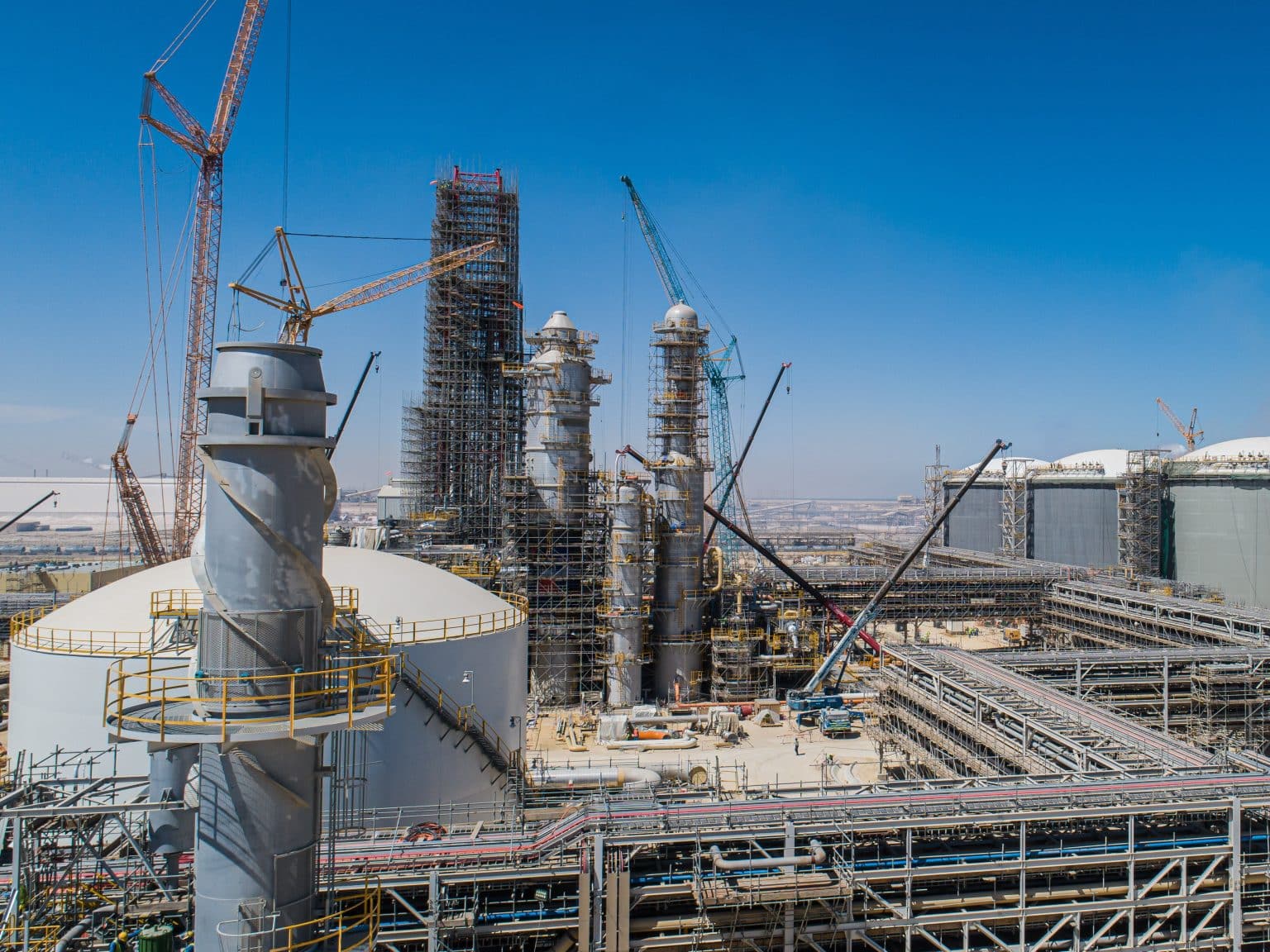
In its Q1 2026 results, ADNOC Gas said its Habshan gas‑processing site suffered two “security‑related incidents” on 3 and 8 April, prompting activation of emergency response and business continuity plans. Management said around 60% of the complex’s processing capacity was restored “within a short period”, emphasising that safety and asset integrity were prioritised as units were brought back online.

The incidents came shortly after the early‑March closure of the Strait of Hormuz, which halted March liftings of LPG, naphtha and LNG and pushed group asset utilisation down to 75.7% in Q1 from 85.8% a year earlier. Even so, ADNOC Gas maintained domestic gas supply and reported Q1 net income of $1.079 billion, 15% lower year on year, on revenue of $5.0 billion and an EBITDA margin of 36.5%.

Sulphur EBITDA jumps despite disruptions

Sulphur was a bright spot in the quarter. ADNOC Gas reported sulphur EBITDA of $159 million for Q1 2026, up 251% versus the same period of 2025, reflecting stronger pricing and continued sales despite wider export constraints. In its product breakdown, the company highlighted sulphur as a separate contributor alongside domestic gas, LNG and traded liquids, underscoring the growing importance of sulphur to its earnings mix.

At the same time, management made clear that the closure of the Strait of Hormuz has limited its ability to lift export products, including sulphur, even as global prices have firmed. Executives said they are managing tanks, inventories and alternative routes to avoid hitting storage limits and are working “transaction by transaction” with customers to honour commitments where possible until normal shipping resumes.

Ramp‑up to 80% in 2026 and full recovery in 2027

On the earnings call, ADNOC Gas said Habshan is currently operating at about 60% of pre‑conflict capacity and is expected to reach roughly 80% by the end of 2026, with full capacity restored in 2027. Management described a phased “ramp‑up of recovery”, noting that some trains are already back, while others require more extensive inspection and repair before restart.

The company stressed that, despite partial Habshan outages, “overall supply across the ADNOC Gas network has been substantially restored”, allowing it to meet domestic demand via more than 30 processing trains at other sites. Phase 1 of the Rich Gas Development project, which debottlenecks parts of the system and enables higher associated‑gas intake, is expected to further ease bottlenecks as upstream production rises following the UAE’s exit from OPEC.

Higher capex

ADNOC Gas lifted its 2026 capex guidance from $4.0–4.5 billion to $4.5–5.0 billion, citing higher spend on growth projects and supply‑chain pressures linked to the regional crisis, including Habshan reinstatement. It expects Q2 2026 net income of $400–600 million, assuming Strait of Hormuz shipping normalises before quarter‑end, and has guided to full‑year net income of $3.5–4.0 billion.

Latest in Middle East