Europe
8 April 2026
Middle East conflict drives historic urea affordability crisis
Written by Natalie Noor-Drugan
CRU has published a series of updates for its clients on the impacts of the Middle East conflict on fertilizer markets. These are the headline findings from its latest analysis, published on 7 April 2026.
Urea hits record unaffordability
Nitrogen prices have surged since the start of the conflict. CRU’s urea affordability indicator hit 206 points last week — 8 points above the prior high of 198 set in November 2021 — making urea the most unaffordable fertilizer across all three main nutrient groups. Global crop prices, meanwhile, have barely responded, with CRU’s crop price indicator holding at 114, well within its recent range, widening the affordability gap further.
Global urea demand is forecast to reach 200 million tonnes in 2026, according to CRU’s March 2026 urea market outlook, up 1.6% year on year — the slowest rate of annual growth since 2021. Significant downside risks are also building across key regional markets.
Iran’s nitrogen output goes dark
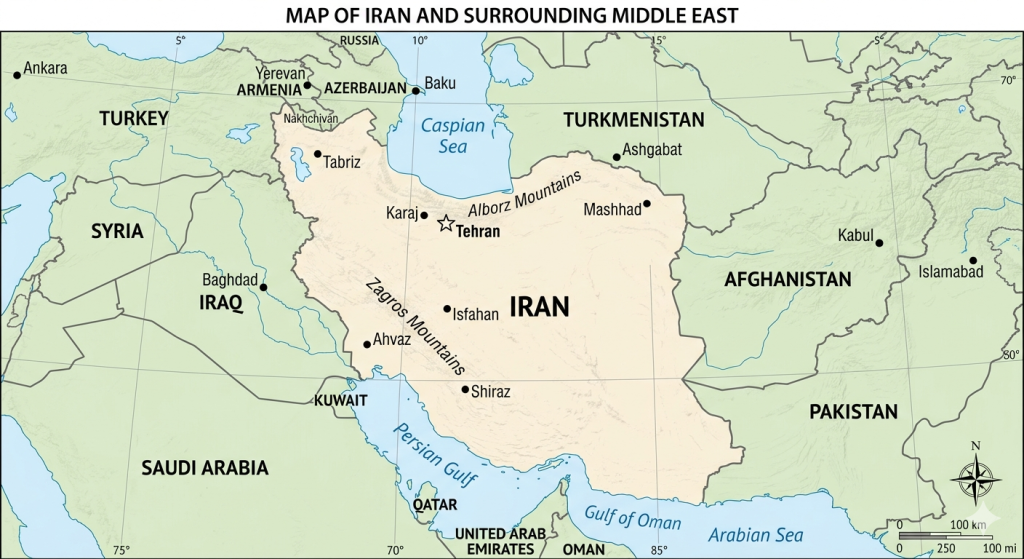
All Iranian ammonia-urea plants have been taken offline, CRU reported on 7 April, following missile strikes on associated power and feedstock infrastructure. Pardis Petrochemical Company, Shiraz Petrochemical Company, Turkish-owned Razi Petrochemical Company, Khorasan Petrochemical Company, Kermanshah Petrochemical Industries Company, Lordegan Urea Fertilizer Company and Masjed Soleyman Petrochemical Industries have all ceased urea output. Iranian nitrogen production had only just resumed following a two-week nationwide shutdown caused by earlier strikes on the South Pars gas field. The official Iranian producer price was set at $700/t FOB this week, up $70/t on the prior week.
Regional demand at risk
CRU’s analysis identifies Australia as the most exposed urea market globally. With nitrogen demand already forecast to decline approximately 8% year on year, the country faces additional downside risks, given its full import dependence and limited government support.
In March, Brazil’s urea:corn and MAP:soy barter ratios both reached their worst levels since tracking began in 2010. The continuation of elevated prices represents a material downside risk to the current 2026 fertilizer consumption forecast for Brazil, warns CRU.
In the US, urea and UAN affordability are at their worst since tracking began in 2013, although domestic production and government support programmes limit the risk of material demand destruction.
Europe, meanwhile, faces a compressed spring application window and, as a marginal nitrogen producer, is particularly exposed to gas pricing, leaving its moderate 2026 growth outlook exposed to downside risk.
China and India remain largely insulated — China through domestic coal-based production and export restrictions, India through government subsidy programmes — although India will face rising fiscal pressure from higher import costs.