Nitrogen+Syngas 400 Mar-Apr 2026
17 March 2026



Nitrogen+Syngas 400 Mar-Apr 2026
17 March 2026
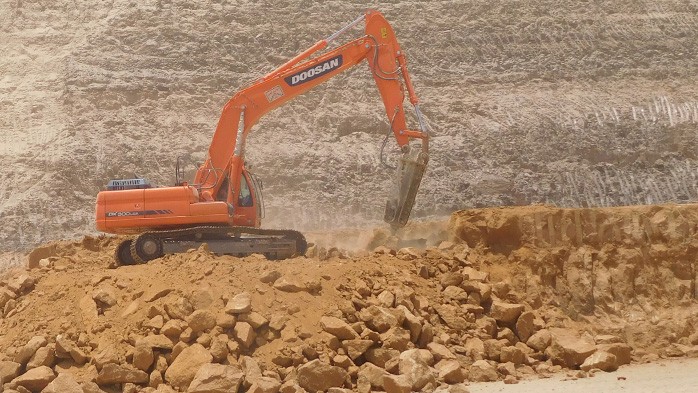
Australian phosphate developer Avenira has signed a four-year agreement to supply 500,000 wet metric tonnes per year of phosphate rock from its proposed Wonarah project in the Northern Territory to Hebang Biotechnology (Hong Kong) Investment Limited.

The Phase I development of the Zhugongtang lead-zinc mine in Hezhang County, Guizhou Province, is entering its final construction stretch. Full-line wet commissioning is scheduled to commence on 30 September, marking the official start of the trial production phase. Formal operational acceptance and commercial production are targeted by the end of 2026, following successful completion of performance testing and all necessary rectification work.

South Korean metals producer LS MnM plans to use sulphuric acid recovered from copper-smelting operations to process nickel and cobalt for battery materials, linking its existing metals business with its expansion into the electric-vehicle supply chain. The company captures sulphur dioxide generated at its Onsan Smelter and converts it into sulphuric acid. LS MnM’s sulphuric-acid facilities have annual capacity of 1.925 million t/a, according to the company, providing a potential internal reagent source for hydrometallurgical processing.
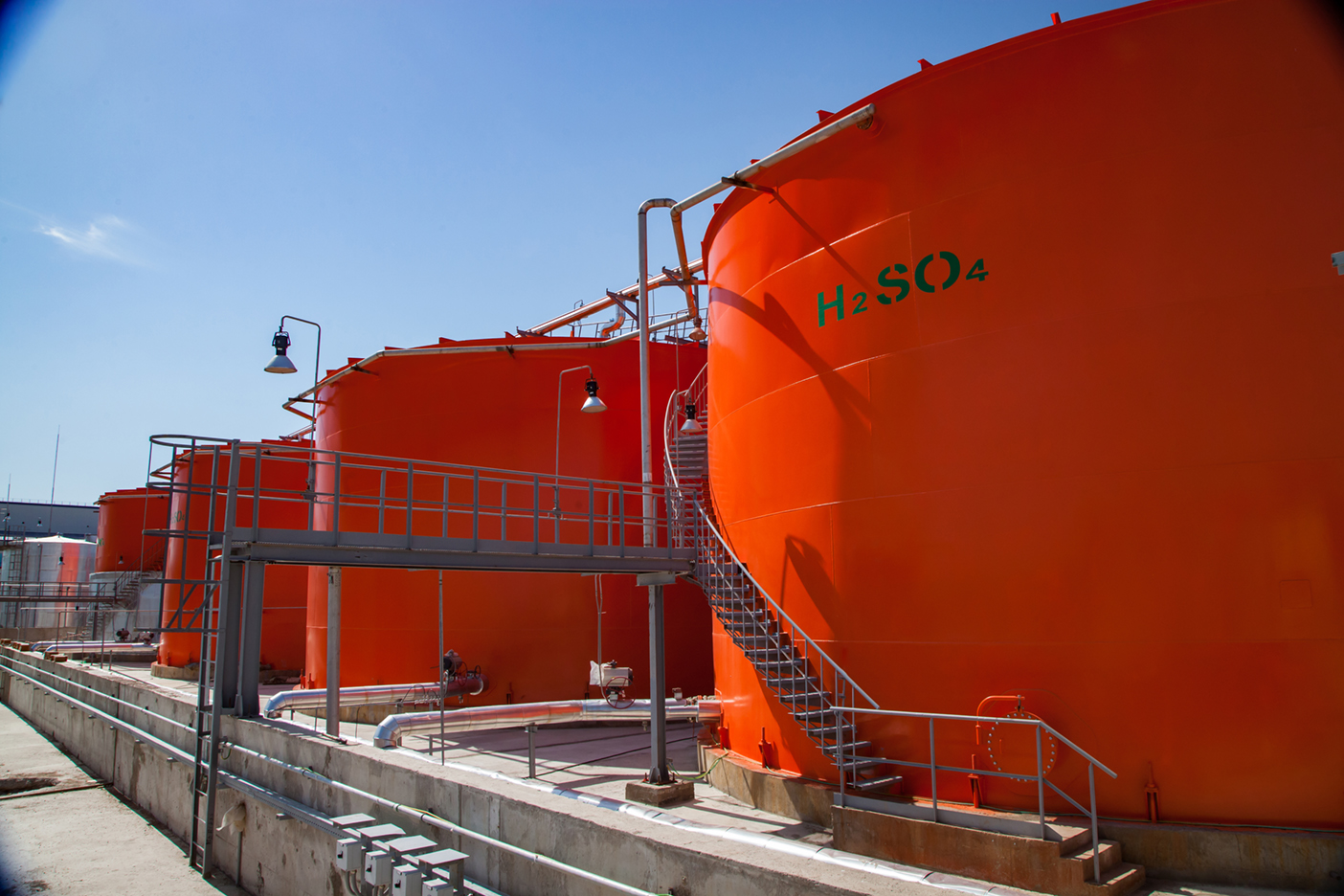
Viviana Alavardo, CRU Sulphur and Sulphuric Acid Analyst, examines how China's 2026 sulphuric acid export suspension removed an estimated 2.8 million tonnes from trade, deepening sulphur shortages. Prices have eased since May but remain historically high amid limited replacement supply.

Coal India Limited (CIL) says that it has executed a non-binding memorandum of understanding (MoU) with ArcelorMittal Nippon Steel India Private Limited (AMNS), to examine the use of syngas from a gasification facility which CIL would set up next to the ArcelorMittal’s Paradip pellet plant in Odisha state. The company says that it will be “exploring the possibility of utilising syngas produced from a coal gasification facility… coupled with CCUS.” The focus of the MoU will initially be to assess the technical, commercial, and implementation aspects of the project and to facilitate preparation of a preliminary feasibility report for evaluating project viability.