North America
11 March 2026
thyssenkrupp Uhde wins Canada bio‑methanol study
Written by Natalie Noor-Drugan
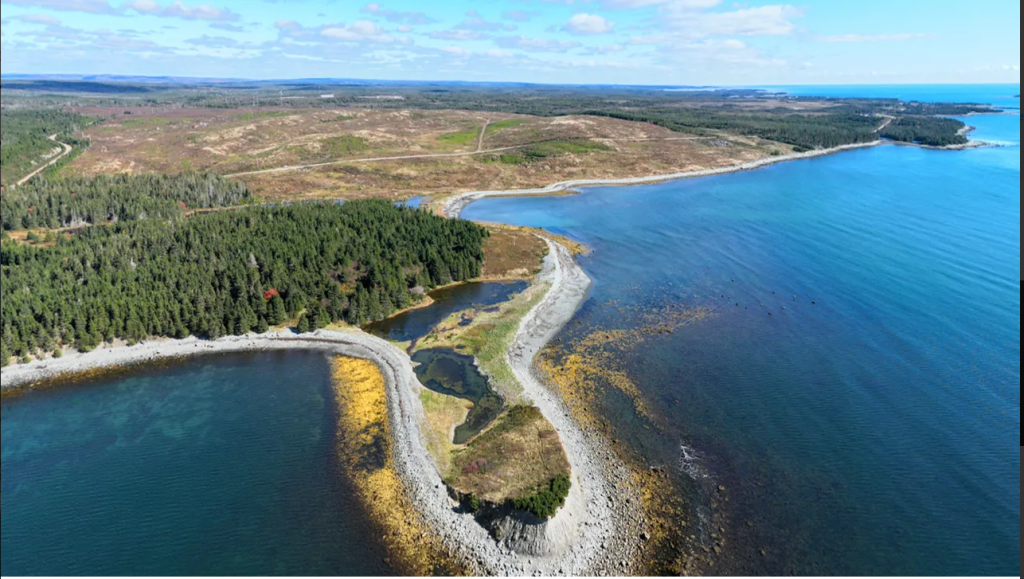
thyssenkrupp Uhde has been selected by Halifax-based Nova Sustainable Fuels (NSF) to carry out an integration and optimisation study for a planned biomass-to-methanol project in Nova Scotia, Canada, designed to produce over 450,000 metric tons of bio‑methanol per year. The work will assess the value of thyssenkrupp Uhde’s integrated process, combining its PRENFLO gasification technology with its advanced methanol synthesis process for sustainable woody biomass feedstock.
Integrated technology and project scope
Under the study, thyssenkrupp Uhde will examine how its high‑efficiency PRENFLO gasifier can be optimally integrated with its methanol synthesis technology to maximise overall system efficiency and validate the assumed benefits of single‑provider technology. With Uhde supplying both gasification and methanol synthesis, NSF aims to build a robust case for overall system integration and future project bankability. The study is intended to provide a solid basis for future investment decisions and marks a key step towards large‑scale sustainable fuel production in Canada.
NSF’s broader ambition is to produce two low‑carbon fuels – sustainable aviation fuel and renewable methanol – using a fully integrated clean‑energy system. This system will bring together more than 1 GW of renewable electricity from NSF’s planned solar and wind farms, local sustainable biomass and water. Renewable methanol from the project is expected to support decarbonisation of the shipping sector and act as a low‑carbon building block for products including sustainable aviation fuel and chemicals. Construction is expected to start in 2028 once all permits are secured, with operations targeted for 2031, following an initial environmental assessment approval received in December 2025.
Strategic significance and partner views
Nadja Håkansson, Member of the Executive Board / COO of thyssenkrupp Decarbon Technologies and CEO of thyssenkrupp Uhde, highlighted the project’s strategic relevance: “Decarbonizing chemicals and fuels is one of the defining challenges of our time, and it’s one we care deeply about. Sustainable methanol has a vital role to play in creating a cleaner energy and industrial future. At thyssenkrupp Uhde, we’re proud to contribute decades of experience and integrated solutions to help turn this vision into reality. Partnering with Nova Sustainable Fuels on this forward-thinking initiative is a meaningful step for us toward a low-carbon future.”
Andrew Parsons, Project Director for NSF, underlined the importance of the collaboration, saying: “We are thrilled to be working with thyssenkrupp Uhde, whose team brings substantial experience and a proven track record of delivering complex projects. Their involvement strengthens our project and reinforces our confidence in its long-term success. This collaboration is a significant step forward and underscores the momentum we’re building.”