Nitrogen+Syngas 399 Jan-Feb 2026

Contract awarded for nitric acid plant


Contract awarded for nitric acid plant

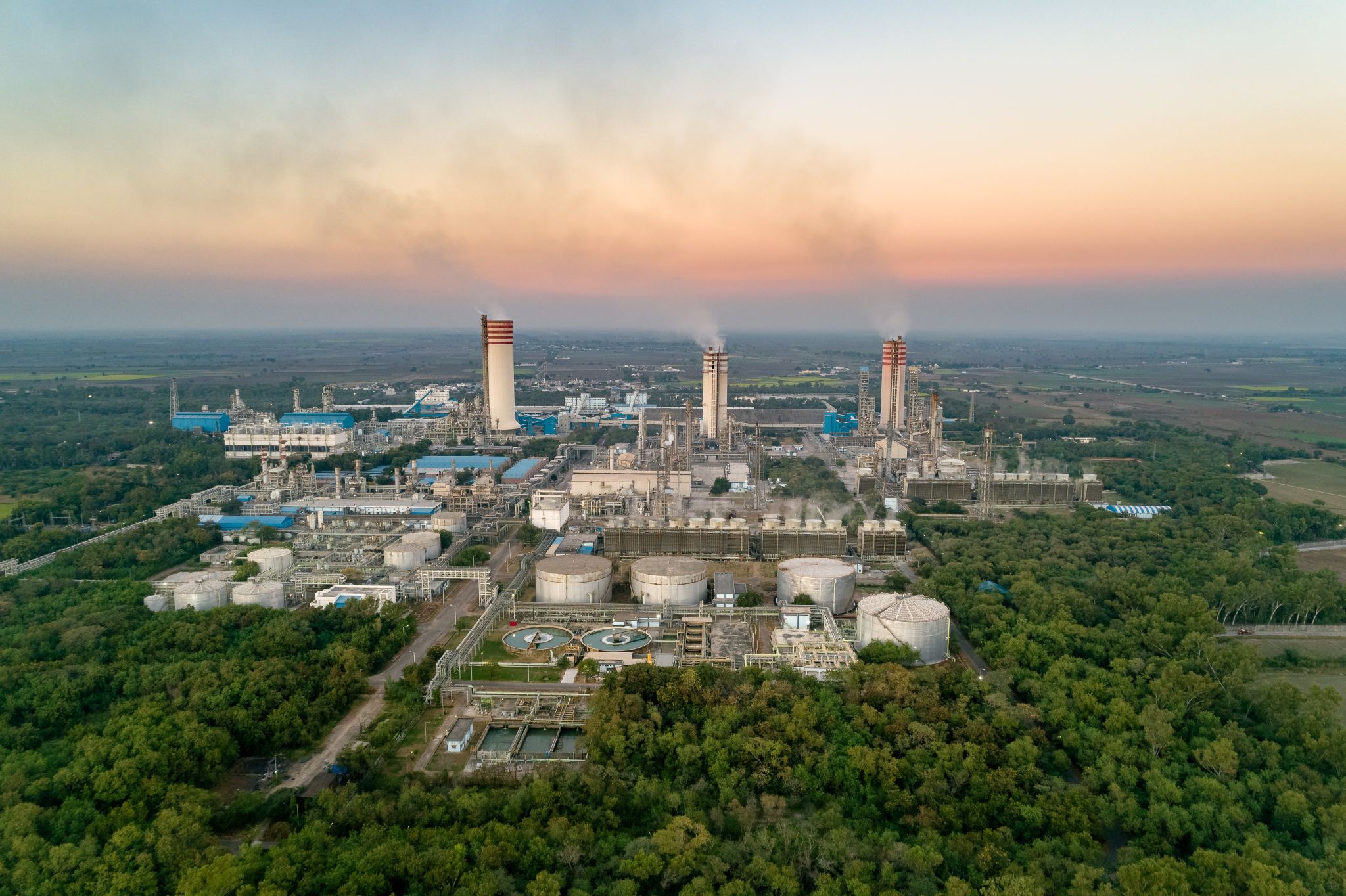
NextChem has also announced that its nitrogen technology licensing division Stamicarbon, has been awarded a licensing contract and the project development process for a new nitric acid plant in China. The project entails the application of Stamicarbon’s state-of-the-art mono-pressure technology, part of NX STAMI Nitrates series, which uses oxygen instead of air as feed for the process, enabling high energy recovery and low operational costs. NextChem says that the award builds on the Group’s longstanding expertise in nitrogen technologies and reflects its commitment to industrialising efficient, low-emission solutions for the agricultural supply chains.

Stamicarbon has also been awarded a licensing and PDP contract, as well as technical assistance services for the revamping of a nitrogen fertilizer complex in northern China. The project is aimed at upgrading an existing urea plant based on proprietary NX STAMI Urea technology, allowing significant reductions in steam consumption and improving energy efficiency, while optimizing both capex and opex.


Latest in Agricultural

Cherepovets hit by drone strikes; phosphate impact unclear

Multiple drone strikes have hit the industrial city of Cherepovets in Russia's Vologda Oblast region, according to Russian news agency TASS. The area contains PhosAgro's largest phosphate fertilizer production site. Cherepovets has a production capacity of around 700,000 t/a NPK and around 814,000 t/year DAP/MAP, according to CRU data, making it the largest phosphate fertilizer production site across Europe and the CIS. The site also contains several sulphuric acid plants with a combined capacity of 4.5 million t/a, making it Russia's largest production hub for the acid. This entire volume is consumed domestically.

CRU Phosphates+Potash conference focuses on sulphur

CRU’s Phosphates+Potash Expoconference was held in Paris in mid-April, with the Iran crisis uppermost in everyone’s mind. Margins are under pressure, sulphur has become a strategic constraint, and the phosphates investment pipeline is thin. CRU Principal Consultant Humphrey Knight examined the fallout from the closure of the Strait of Hormuz, noting that fertilizers have been hit harder than most bulk commodities. A large share of exportable sulphur and traded urea normally originates in, or passes through, Gulf producers. The effective closure of the strait has squeezed the traded part of these markets, where international prices are set, and pushed benchmarks up sharply. The global phosphate market is structurally tight, and the combination of Chinese export policy and Middle East logistics has pushed the traded segment into a much more fragile state.