Nitrogen+Syngas 398 Nov-Dec 2025

21 November 2025



Nitrogen+Syngas 398 Nov-Dec 2025
21 November 2025
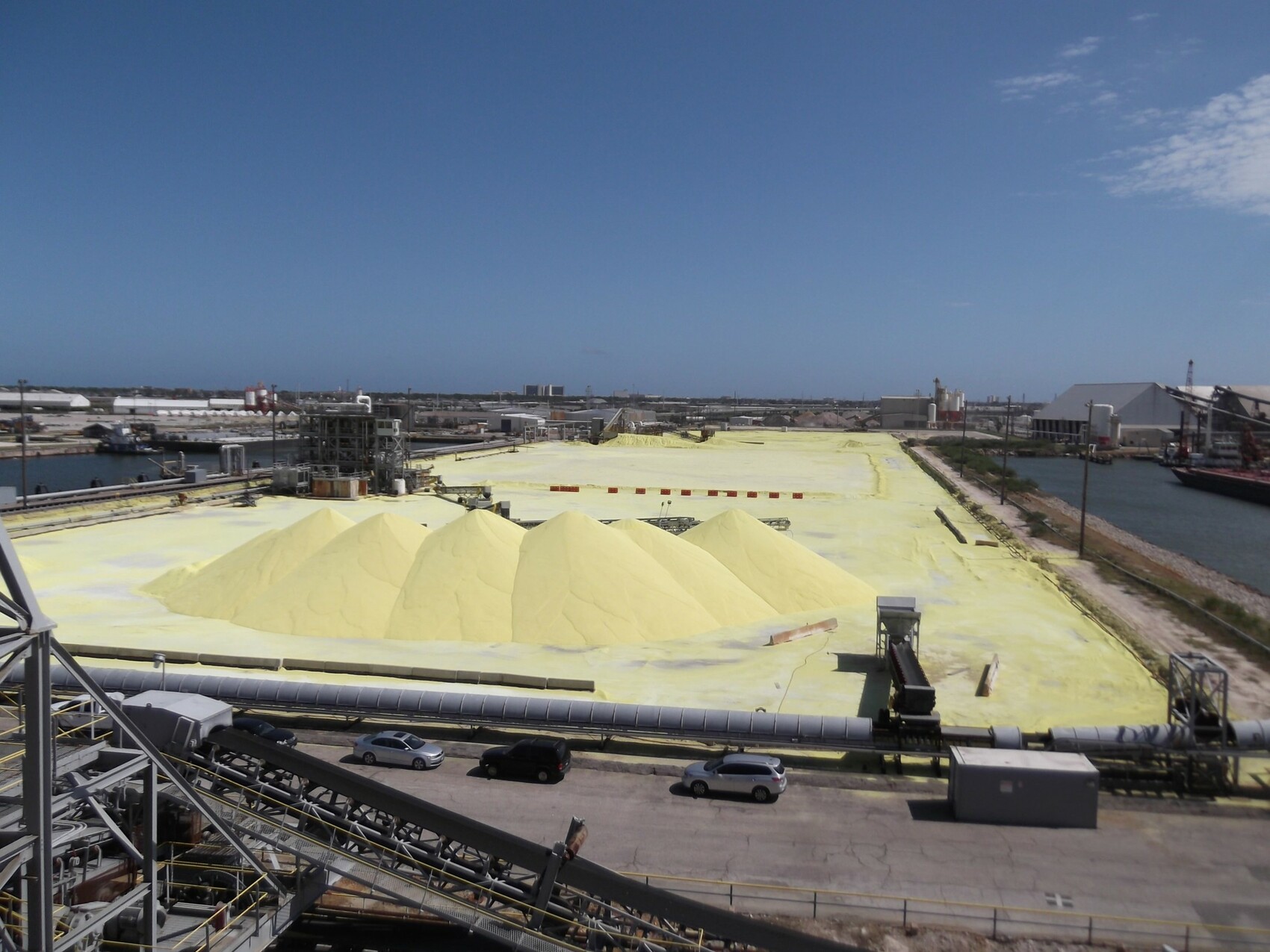
While some sulphur is transported as a liquid, especially in Europe and North America, recent events have highlighted the increased flexibility of solid sulphur supply chains.
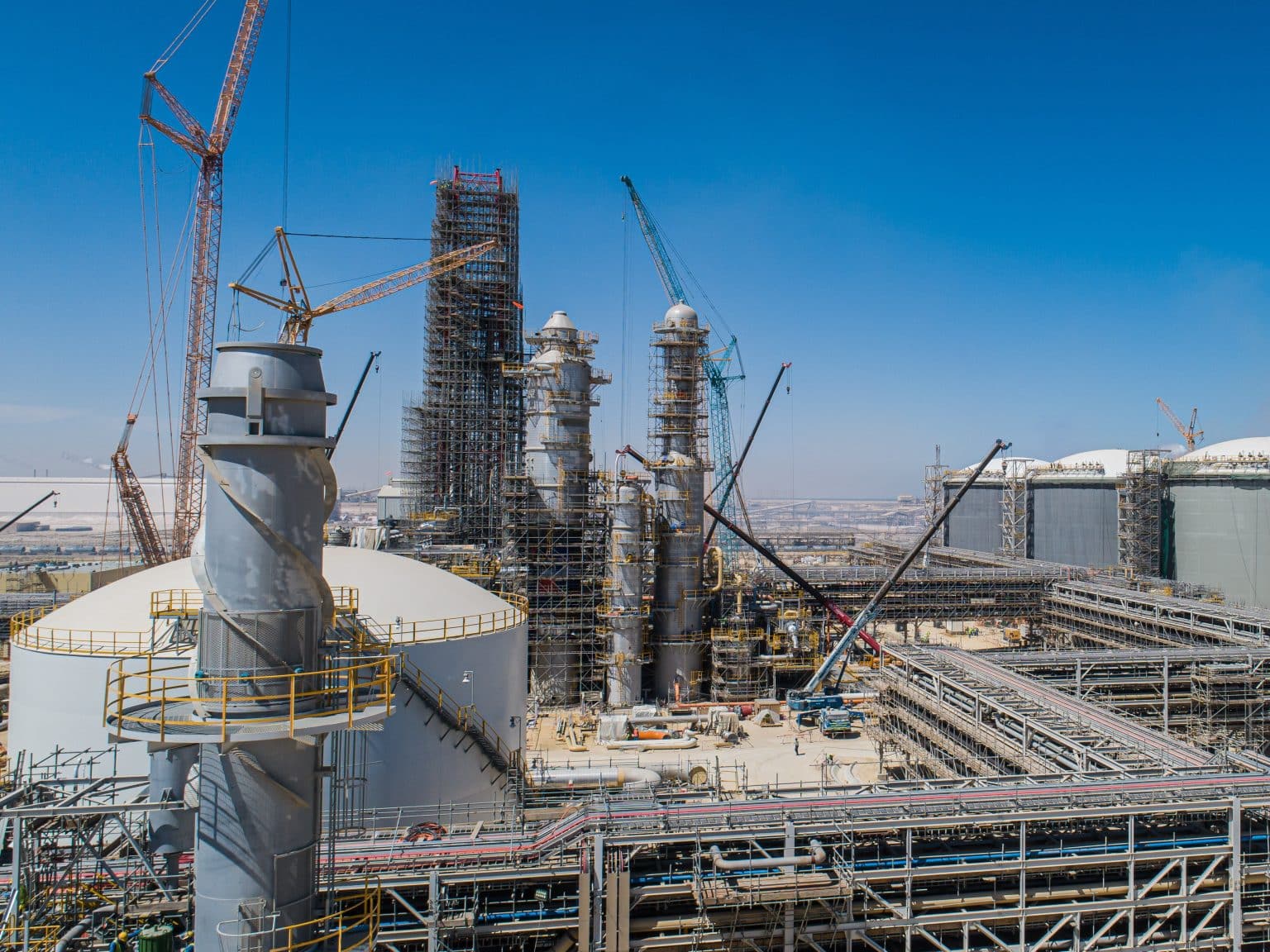
Ambitious expansion plans face exposure to trade route disruption.

Maire Group subsidiary Tecnimont has been awarded a contract by Fértil Pampa SAU, a wholly owned subsidiary of Pampa Energia SA, for a large-scale fertilizer complex in Argentina. The facility will include a large-scale ammonia plant and two parallel ultra-low energy urea trains, each with its own granulation unit, with a combined capacity of 6,000 t/d (2.1 million t/a), making it the largest urea plant in Latin America by production. It will occupy an 80-hectare site within the Bahía Blanca Industrial Complex, in Buenos Aires province. The location is adjacent to Pampa’s existing power generation assets, benefiting from direct access to key infrastructure, including gas pipelines, high-voltage transmission lines, water intake systems, and a deep-water export port, enabling efficient logistics.

Algeria’s Sonatrach and the Algerian Fertilizers Company (AFC) on 12 August signed engineering, procurement and construction contracts with Italy’s Saipem and China Harbour Engineering Company (CHEC) for the first phase of the country’s Integrated Phosphate Project (PPI). The ceremony at Sonatrach’s Algiers headquarters was chaired by Hydrocarbons Minister Mohamed Arkab and attended by the Chinese and Italian ambassadors.

Brazil’s National Association for the Diffusion of Fertilizers (ANDA) has proposed an emergency $375 million subsidy to shield farmers from soaring sulphur prices. The proposal was presented to the government during the International Brazil Congress in São Paulo on 25 August.