Middle East
23 September 2025
Press Release: NEXTCHEM opens a new regional office in Abu Dhabi to advance energy transition in the Middle East with its portfolio of sustainable technologies
NEXTCHEM (MAIRE)’s Press Release: 23 September 2025, Abu Dhabi
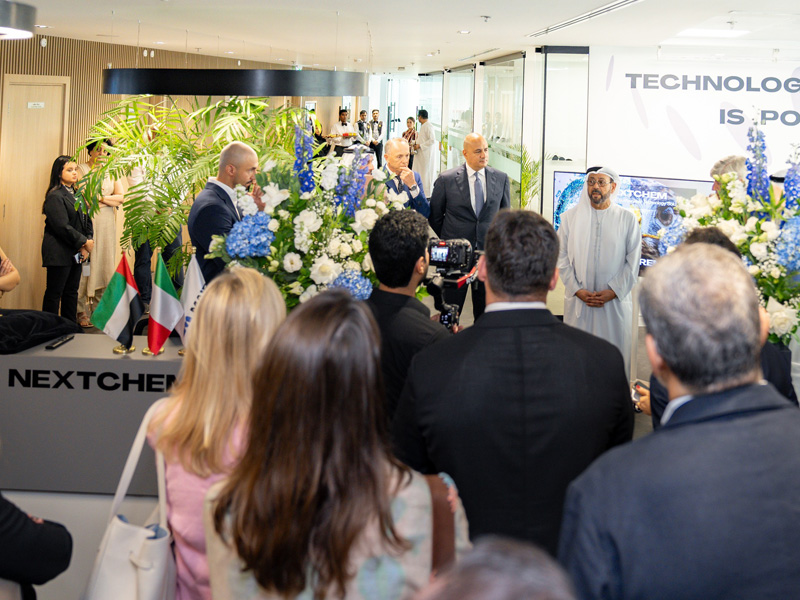
NEXTCHEM (MAIRE), a leader in technological solutions to industrialize the energy transition, today announced the opening of its new regional office in Abu Dhabi, marking a major milestone in the company’s strategic expansion across the Middle East.
NEXTCHEM, part of MAIRE Group, a multinational engineering player in the downstream energy services with solid Italian roots. The group is present in 50 countries with more than 10,200 people and a track record of over 1,5001 projects completed worldwide.
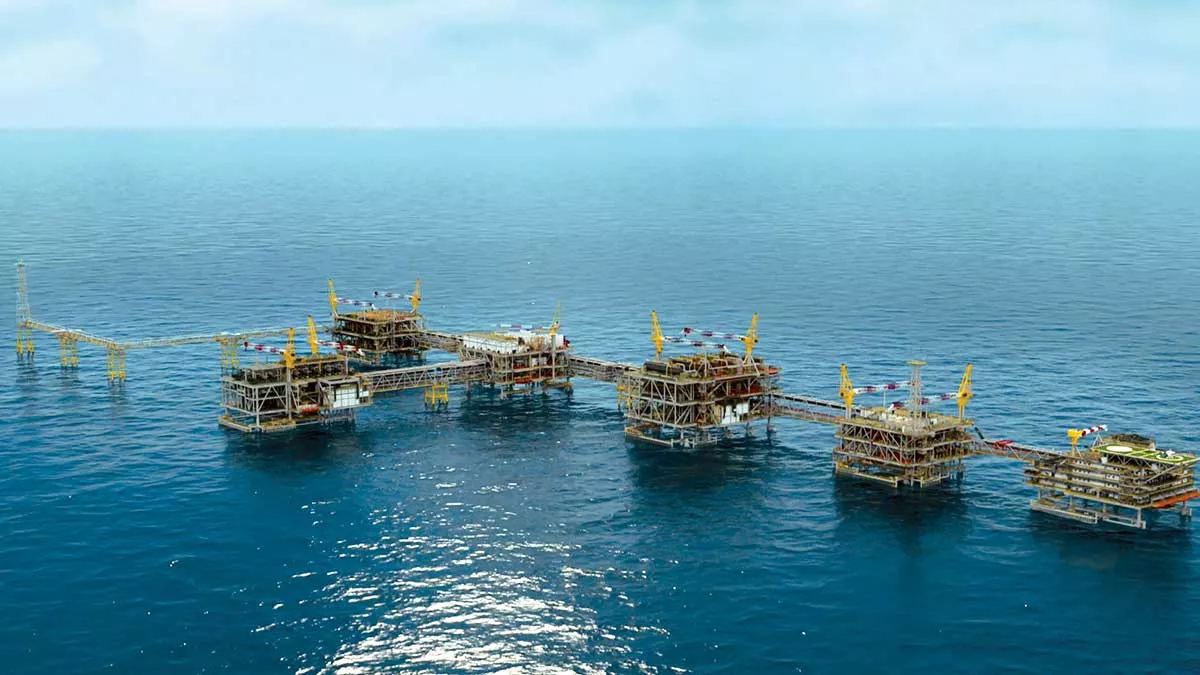
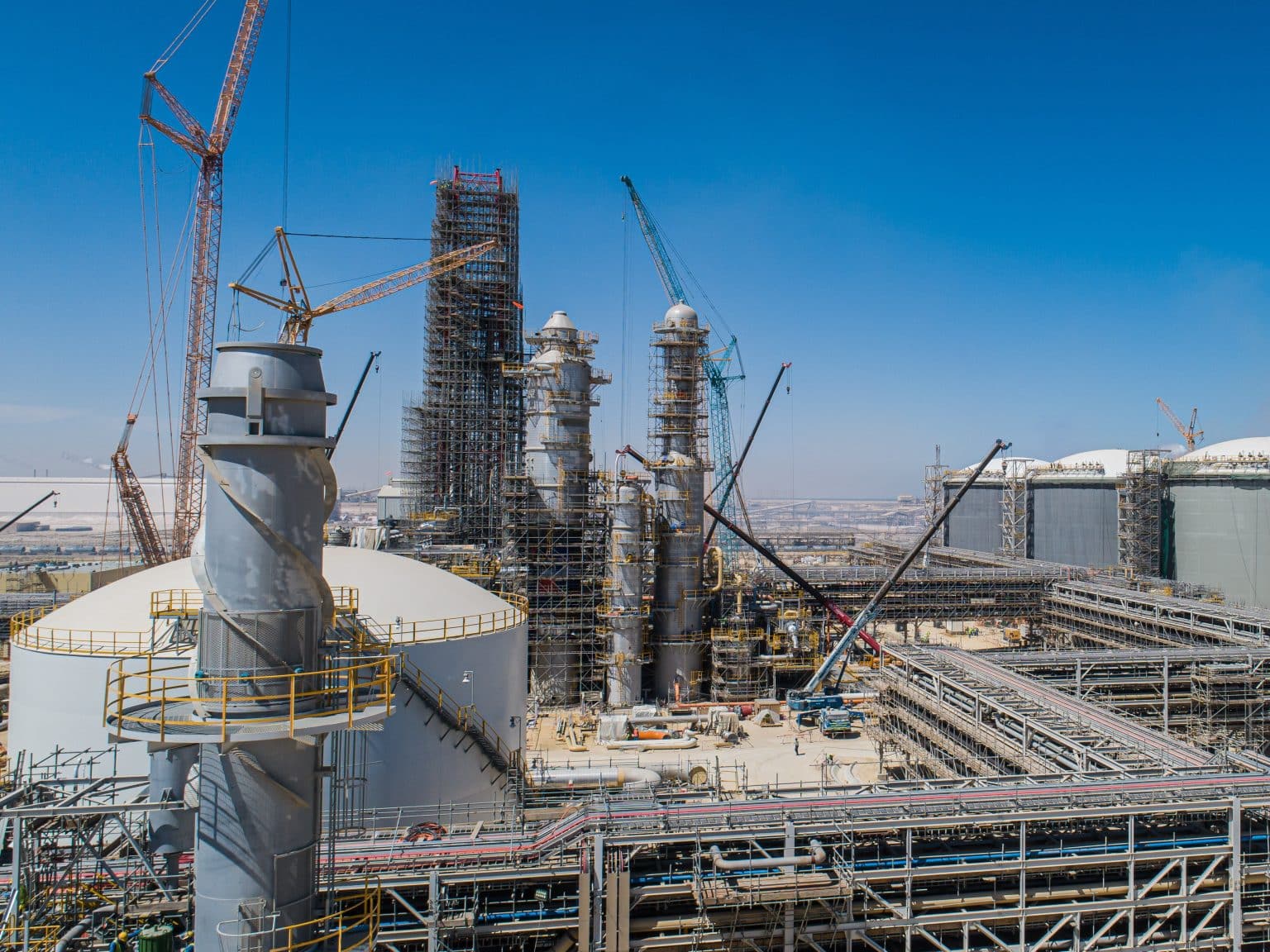
MAIRE has been active in the UAE since the late 1990s through its engineering & construction business unit TECNIMONT, with several strategic projects executed in the Gulf area to support its economic and social development. TECNIMONT and NEXTCHEM are both currently working on ADNOC’s Hail and Ghasha onshore development, which is one of the most important initiatives globally to decarbonize the gas processing industry. The Group is also active in Saudia Arabia, Qatar and Oman with other several strategic initiatives. NEXTCHEM, which heads MAIRE’s Sustainable Technology Solutions (STS) business unit, is now strengthening its footprint in the region with its cutting-edge portfolio of technologies and innovative solutions supporting decarbonization across three business lines: Sustainable Fertilizers & Nitrogen-Based Fuels, Low-Carbon Energy Vectors, and Sustainable Materials and Circular Solutions.
The opening event was attended by the Members of the MAIRE’s Board of Directors together with senior executives of NEXTCHEM as well as the CEO of BOROUGE Group Mr Hazeem Al Suwaidi and other ADNOC officials, H.E. Lorenzo Fanara, the Italian Ambassador to the UAE, and Mr Youssef Al Nowais, MAIRE’s long-term industrial partner and shareholder.
“The opening of NEXTCHEM’s regional offices underscores our long-term commitment to the UAE and the wider Middle East region,” said Mohammed Nafid, Middle East STS Region Vice President. “Building on two decades of trusted engineering know-how through TECNIMONT, we are now bringing NEXTCHEM’s technology portfolio to support the decarbonization objectives of our clients. Customers are looking for partners that can combine proven project delivery with innovative, competitive, economically viable technological solutions,” added Nafid, “Our Abu Dhabi base will allow us to work even more closely with stakeholders to reinforce the region’s global leadership in the energy transition — project by project.”
1 Including plants delivered by the sister companies since their establishment.