Nitrogen+Syngas 396 Jul-Aug 2025

Fertiglobe to acquire Wengfu Australia’s distribution assets


Abu Dhabi-based nitrogen producer and distributor Fertiglobe says that it is acquiring the distribution assets of Wengfu Australia Pty Ltd. through an asset sale and purchase agreement, expanding its downstream reach and enhancing access to supplying Australian customers. Fertiglobe currently supplies around 600,000 t/a of urea to Australia, with the potential to grow supply volumes through the Wengfu platform to meet demand. Wengfu operates in southeast Australia from five ports with eight warehouses, distributing 700-800,000 t/a of fertilizers to over 200 customers, with capacity to scale up to 1.1 million t/a.

Fertiglobe says that the acquisition aligns with its strategy to expand its presence in key strategic sectors, diversify its global footprint, and build resilience against seasonality. It provides access to a broader customer base, unlocks supply chain efficiencies, and supports the introduction of enhanced-efficiency and sustainable fertilizers. This acquisition also enables Fertiglobe to widen its distributed product portfolio to non-nitrogen fertilizers and allows it to expand fertilizer sourcing flexibility to supply the wider Asia-Pacific region. The transaction is subject to customary regulatory and legal approvals.
Ahmed El-Hoshy, Chief Executive Officer of Fertiglobe, commented: “Acquiring Wengfu’s assets marks a strategic step in our value-driven growth strategy and accelerates our commercial footprint in Australia – one of the world’s fastest-growing agricultural regions. It also provides us with a strong distribution platform across the Asia-Pacific region, strengthens access to our customers, and enhances our ability to competitively source and deliver our products and services. Having known Wengfu’s team for several years, we have strong confidence in their ability to grow the business from here. The transaction is in line with our ambitions to expand our presence in key markets and reinforces our leadership position in the global nitrogen industry.”

Latest in Agricultural

Cherepovets hit by drone strikes; phosphate impact unclear

Multiple drone strikes have hit the industrial city of Cherepovets in Russia's Vologda Oblast region, according to Russian news agency TASS. The area contains PhosAgro's largest phosphate fertilizer production site. Cherepovets has a production capacity of around 700,000 t/a NPK and around 814,000 t/year DAP/MAP, according to CRU data, making it the largest phosphate fertilizer production site across Europe and the CIS. The site also contains several sulphuric acid plants with a combined capacity of 4.5 million t/a, making it Russia's largest production hub for the acid. This entire volume is consumed domestically.

CRU Phosphates+Potash conference focuses on sulphur

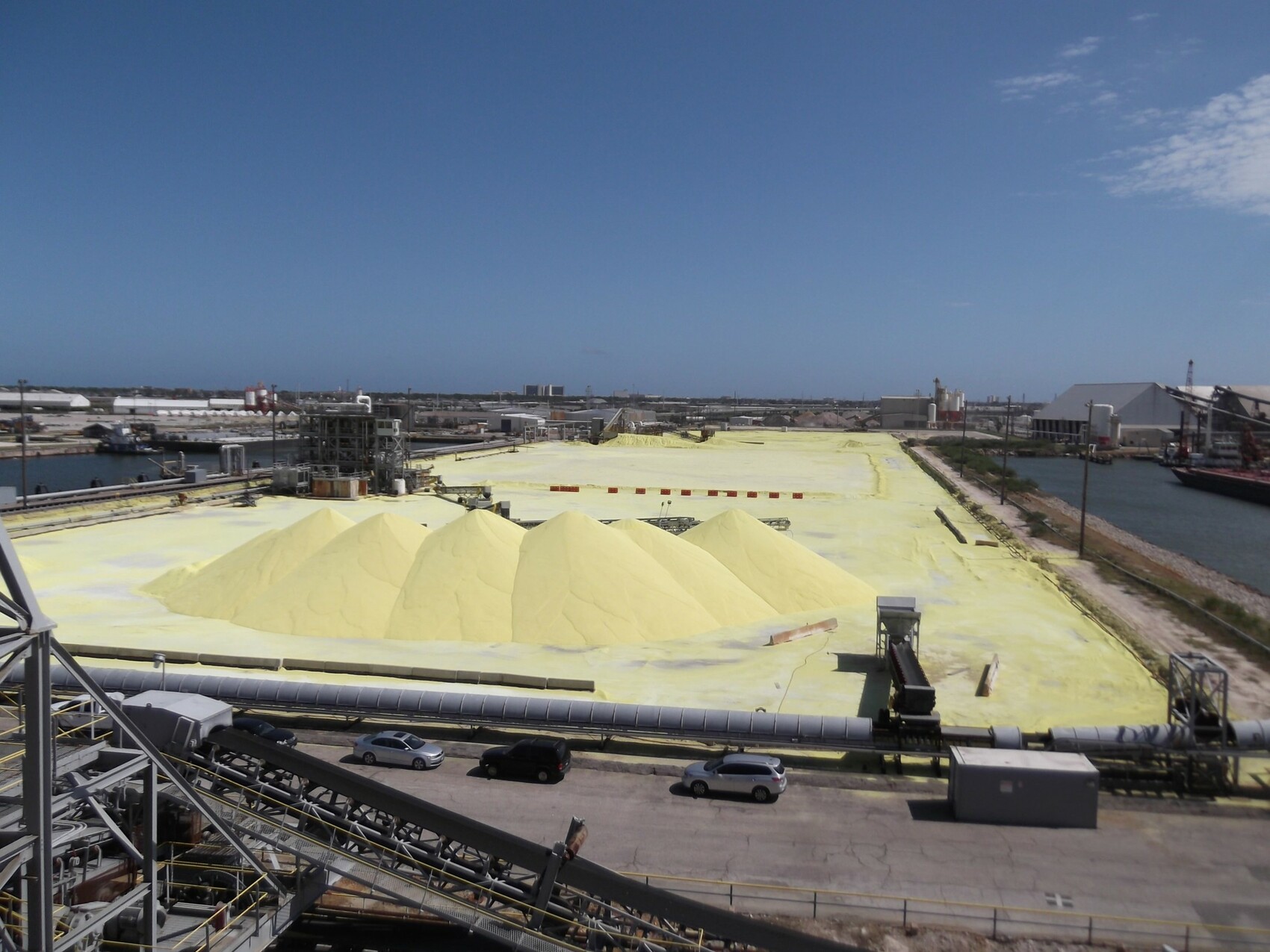
CRU’s Phosphates+Potash Expoconference was held in Paris in mid-April, with the Iran crisis uppermost in everyone’s mind. Margins are under pressure, sulphur has become a strategic constraint, and the phosphates investment pipeline is thin. CRU Principal Consultant Humphrey Knight examined the fallout from the closure of the Strait of Hormuz, noting that fertilizers have been hit harder than most bulk commodities. A large share of exportable sulphur and traded urea normally originates in, or passes through, Gulf producers. The effective closure of the strait has squeezed the traded part of these markets, where international prices are set, and pushed benchmarks up sharply. The global phosphate market is structurally tight, and the combination of Chinese export policy and Middle East logistics has pushed the traded segment into a much more fragile state.