Sulphur 417 Mar-Apr 2025

TCO starts up future growth project


KAZAKHSTAN

TCO starts up future growth project

Chevron says that its 50% owned affiliate Tengizchevroil LLP (TCO) has started oil production at its Future Growth Project (FGP) located at the Tengiz oil field in Kazakhstan. FGP is the third processing plant in operation at the Tengiz oil field, which expands sour gas injection capability and is expected to ramp up output to 1 million bbl/d. This milestone follows the completion of the Wellhead Pressure Management Project (WPMP) in 2024, which is designed to optimise the field and processing plants. The FGP expansion aims to increase crude oil production by 260,000 bbl/d at full capacity.

“First oil at the Future Growth Project is the latest in a series of development milestones, including in the Gulf of Mexico and the Permian, that are expected to significantly increase free cash flow to the company and deliver value for Chevron shareholders,” said Mark Nelson, Chevron vice chairman.

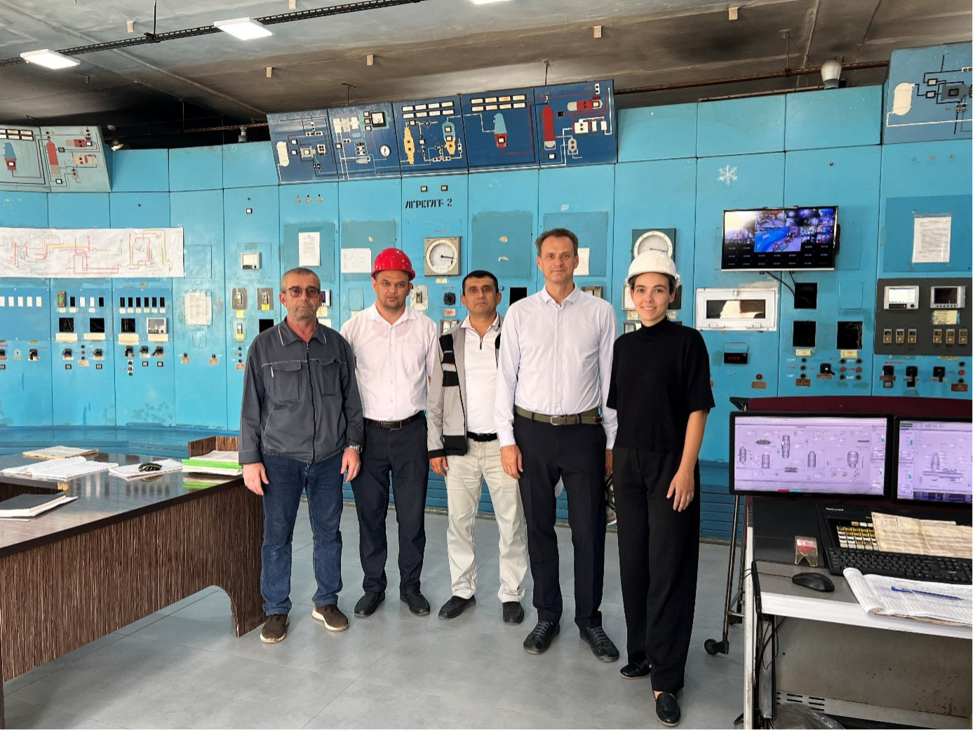
The FGP and WPMP projects together installed power systems at Tengiz with five Frame 9 gas turbine generators, added four large compression trains with additional pumping capacity, installed a new centralised control centre and enhanced sour gas handling and reinjection to the field for long-term pressure maintenance. Tengizchevroil LLP is 50% owned by Chevron; 20% by KazMunayGas; 25% by ExxonMobil; and 5% by Lukoil.

Latest in Asia

Coromandel starts trial operations at new acid plants

Coromandel International says that it has started trial production at its new sulphuric acid and phosphoric acid plants in Kakinada, Andhra Pradesh. The company says that this marks a crucial step towards transforming the unit into a fully integrated facility, significantly enhancing production capacity and diminishing reliance on imported raw materials for fertiliser manufacturing. The company is now focusing on a phased ramp-up. The new plants have of 2,000 t/d of sulphuric acid and 650 t/d of phosphoric acid, respectively. The integration of these acid plants is strategic, aligning with Coromandel's objective to strengthen backward integration in its fertiliser manufacturing value chain. By producing key intermediates in-house, the company aims to secure stable supplies, enhance cost efficiencies, and achieve greater self-sufficiency, thereby reducing dependence on imported raw materials. The project aims to replace over 50% of the Kakinada plant's imported acid requirements and mirror the integration levels seen at its Vizag and Ennore facilities.

Indonesian nickel shutdown to cut sulphur/acid demand

Four Chinese-operated nickel plants at the Indonesian Morowali Industrial Park have temporarily ceased operations following a fatal landslide in February, in a development that will significantly reduce regional demand for sulphur and sulphuric acid. The shutdowns affect facilities run by China’s GEM Co. and its partners, which together account for 30% of Indonesia’s high-pressure acid leaching (HPAL) capacity. The move comes amid heightened regulatory scrutiny. The largest of the four plants, PT QMB New Energy Materials, could remain offline for up to three months.

NCOC seeks arbitration over sulphur fine

The North Caspian Operating Company (NCOC), which operates the huge Kashagan oil field in Kazakhstan, has said that it is seeking international arbitration to resolve its ongoing dispute with the government of Kazakhstan. Kazakhstan has imposed a swingeing $4.6 billion fine for alleged violations of sulphur storage regulations at the NCOC site. In December, a special administrative court in Astana turned down an appeal by NCOC, although it also granted leave to appeal in a higher court. NCOC, a partnership between Shell, Eni, TotalEnergies, ExxonMobil, China National Petroleum Corporation, Inpex and Kazakh state oil and gas company KazMunayGaz, continues to maintain that its sulphur handling operations have been conducted in compliance with Kazakhstan’s laws and that it had the required permits in place.