Nitrogen+Syngas 381 Jan-Feb 2023

Missing the boat?


EDITORIAL

Missing the boat?

“The fundamentals of it being unprofitable to produce ammonia in Europe have remained largely unchanged”

The past year has been a difficult, even disastrous one for Europe’s fertilizer producers. High natural gas prices have kept plants shuttered, with 70% of the continent’s ammonia production shut down at times. It remains uncertain how much of this will return to production this year, or indeed ever.

At such a time, and given Europe’s traditional green focus, it might be thought that this would be the ideal time for the continent to wholeheartedly embrace green ammonia production using renewable power, which is certainly cost effective at current ammonia prices. But according to Yara’s CEO, European governments are not providing sufficient incentives for fertilizer producers to invest in green production in Europe, in contrast to the United States. Speaking to Reuters in January 2023, Svein Tore Holsether said; “From a business perspective, it would make a lot more sense to expand into the US, and that’s happening across the board now. (We) are at risk of losing both our ability to decarbonise and some of the key industrial players. And that should be a big wake-up call for Europe.”

The reason, according to Holsether, is the US Inflation Reduction Act, passed in August 2022, which offers strong financial incentives for companies to invest in clean energy. Indeed, US state governors were out selling the Act at the recent World Economic Forum (WEF) in Davos, pointing out that it provides up to $370 billion worth of subsidies for clean energy on everything from solar panels to electric cars. European politicians have as much as acknowledged this, complaining about the “aggressive” way that the US is pitching the subsidies to EU businesses. Leaders from the EU-27 countries are meeting February to discuss their joint response, with countries like France urging urgent action to keep European industry alive.

As part of her own reply, President of the European Commission Ursula von der Leyen told chief executives at the WEF that the EU would pass a new Net-Zero Industry Act that will set targets for 2030. The effort will try to increase clean technology funding and fast-track permits for relevant production sites. The EU will also temporarily water down state aid regulations and pump cash into strategic climate-friendly businesses in order “to keep European industry attractive,” though some member states fear that this could mainly benefit larger EU members with deeper pockets like von der Leyen’s native Germany. As a result, the Commission plans to set up a European Sovereignty Fund to help harder-pressed members, but there is no consensus among finance ministers over how such a common fund will be financed, or over its scale. The appetite for more EU spending in the current economic climate is a limited one.

But the US and EU are not the only players in the new emerging green economy. China too has heavily subsidised its own green technology firms and is accused of poaching companies from Europe and elsewhere with the promise of cheap energy, low labour costs and a more lenient regulatory environment.

The race to attract new green investment may be a headache for policymakers around the world, but it can only be good news for the future of the planet. As for European ammonia producers, the jury is still out. Svein Holsether said that: “the fundamentals of it being unprofitable to produce ammonia in Europe have remained largely unchanged,” since last October.

Latest in Outlook & Reviews

CRU Phosphates+Potash conference focuses on sulphur

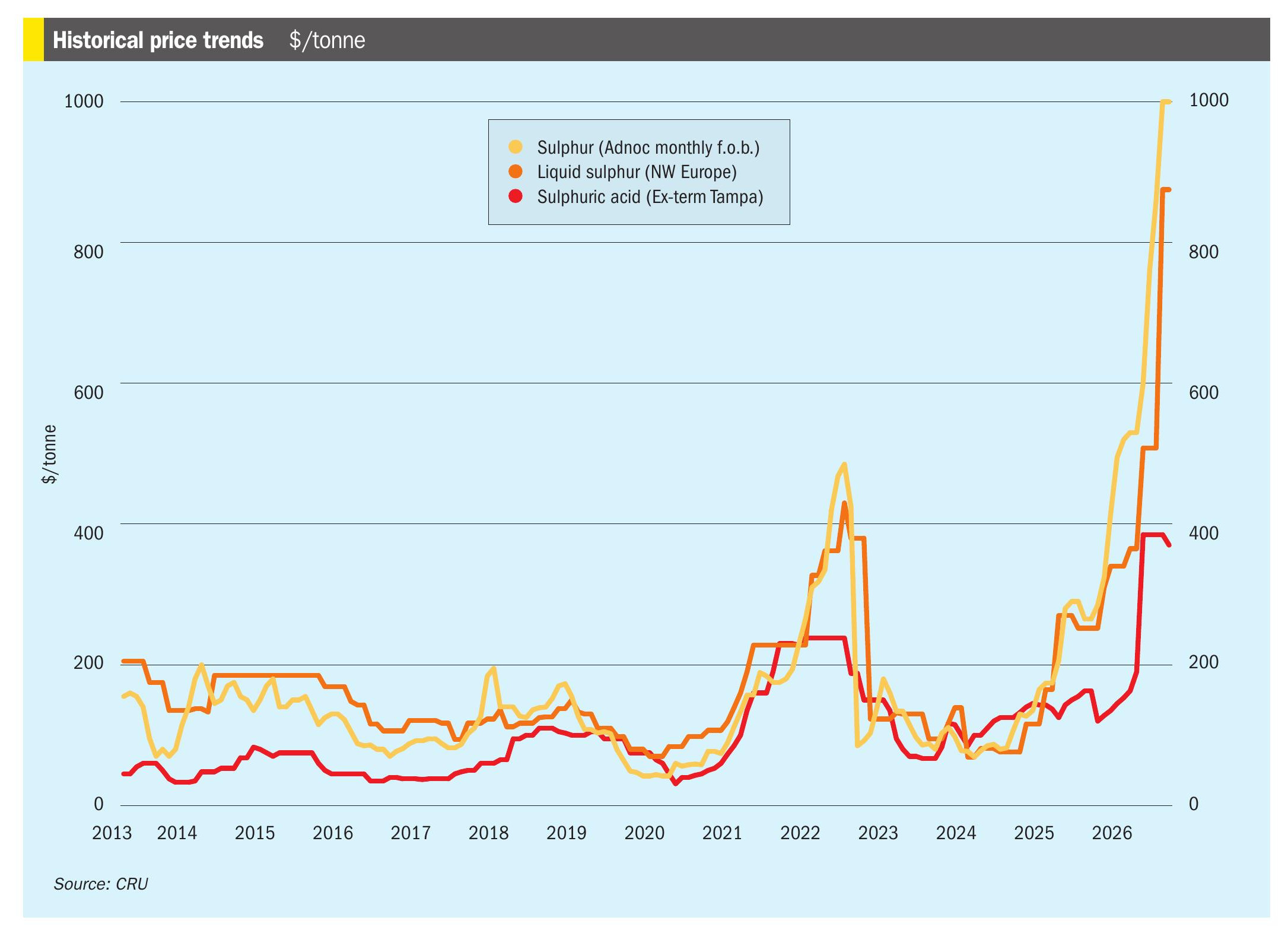
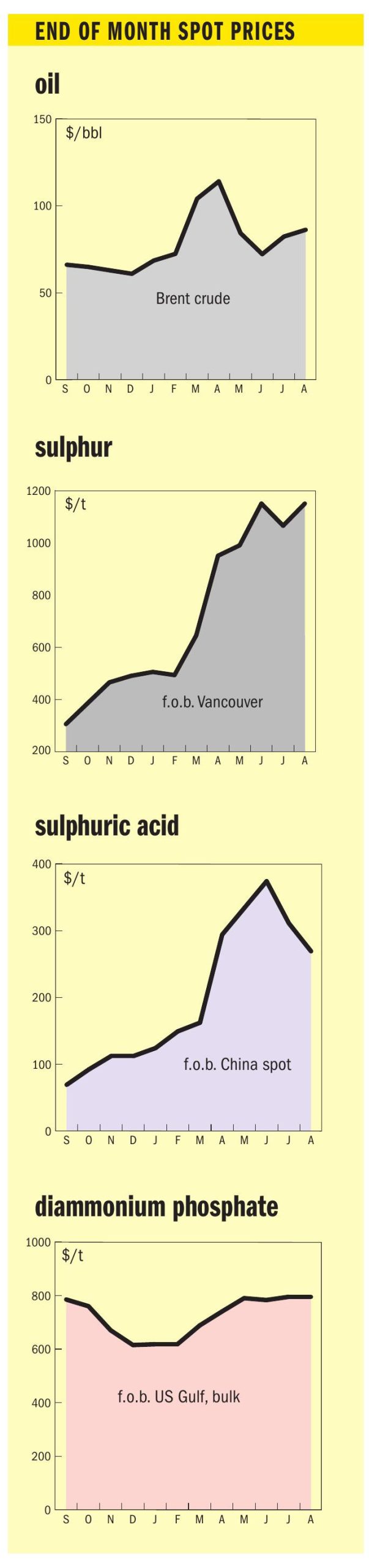
CRU’s Phosphates+Potash Expoconference was held in Paris in mid-April, with the Iran crisis uppermost in everyone’s mind. Margins are under pressure, sulphur has become a strategic constraint, and the phosphates investment pipeline is thin. CRU Principal Consultant Humphrey Knight examined the fallout from the closure of the Strait of Hormuz, noting that fertilizers have been hit harder than most bulk commodities. A large share of exportable sulphur and traded urea normally originates in, or passes through, Gulf producers. The effective closure of the strait has squeezed the traded part of these markets, where international prices are set, and pushed benchmarks up sharply. The global phosphate market is structurally tight, and the combination of Chinese export policy and Middle East logistics has pushed the traded segment into a much more fragile state.