Sulphur: the fourth crop nutrient
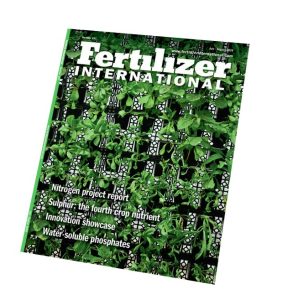
Sulphur is becoming an increasingly important crop nutrient – due to a combination of lower sulphur emissions, the increasing prevalence of high-analysis fertilizers and higher cropping intensity.
Following the publication of the 2020 nitrogen project listing by our sister magazine Nitrogen+Syngas, we profile a selection of leading nitrogen projects and their process licensors. Australia, Egypt, India, Nigeria and Russia have been key countries for new project developments.
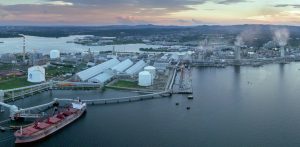
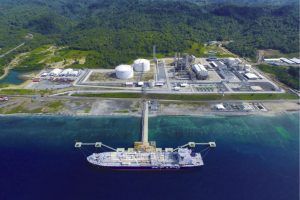
Southeast Asia has been a major site for new syngas projects in recent years as countries such as Indonesia, Malaysia and Brunei continue to monetise their natural gas resources.
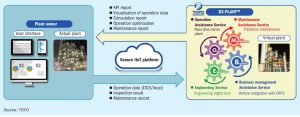
Digitalisation and the analysis of big data are playing an increasing role in fertilizer production. Innovative digital and cloud-based services are being offered by a range of technology companies, including Casale, tkIS, Topsoe and TOYO.
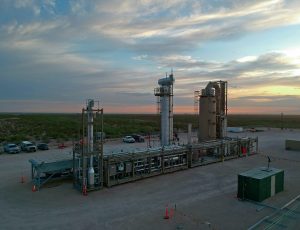
The Global Gas Flaring Reduction Partnership (GGFR) is a World Bank sponsored programme to end wasteful and CO2 - intensive flaring of natural gas from oil production and stranded shale wells, and has been looking to small-scale methanol and GTL projects as a way of utilising this gas for productive ends.
Lessons can be learned from the challenges faced during the construction, commissioning and start-up phases of major projects. In this article challenges and experiences are shared from the recent successful commissioning of ammonia and urea plants around the world, including projects in Indonesia, India, Egypt and the Middle East.
This year’s Nitrogen + Syngas conference was held from 17-19 February in The Hague, Netherlands.
We look at state-of-the-art technology used in phosphate and potash mining, including equipment and systems for excavation, tailings thickening, transport, tunnelling and processing.
At the time of writing this editorial, the World Economic Forum was having its usual annual meeting in the Swiss resort of Davos. Prior to this year’s meeting, as usual the WEF had produced its annual Global Risks Report to serve as a talking point for the meeting. While some of the risks were as usual political and economic, from proliferation of weapons of mass destruction and the “retreat from multilateralism” to growing inequalities of wealth in the developed world and “domestic political polarisation”, for the first time in the organisation’s history, the top five global risks in the report ranked by likeliness – which looks at potential global pitfalls over the next 10 years – were environmental. Perhaps with the pictures of Australia’s bush fire season fresh in their minds, the 750 experts ranked extreme weather events as the most likely, but climate change, biodiversity loss and sustainability in agriculture all ranked highly.
thyssenkrupp Industrial Solutions (tkIS) offers and builds Power-to-X plants and can provide all processes of the value chain, from water electrolysis and CO2 recovery to green ammonia, green methanol and green SNG. Renewable methanol production, which combines the application of carbon capture and utilisation with chemical energy storage, is a particularly promising sustainable solution.