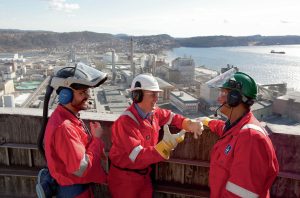
Making fertilizer plants safe
We look at safety, health and environmental (SHE) management and hazards at nitrogen fertilizer plants and the importance of the International Fertilizer Association’s ‘Protect & Sustain’ certification scheme.


We look at safety, health and environmental (SHE) management and hazards at nitrogen fertilizer plants and the importance of the International Fertilizer Association’s ‘Protect & Sustain’ certification scheme.
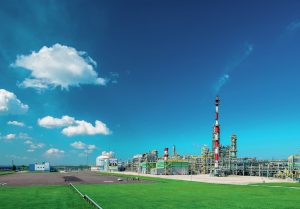
Concerns are growing about the health impacts of the heavy metals present in phosphate-based fertilizers and their accumulation in soils. In response, regulators and international agencies are currently seeking to limit human exposure to these potentially harmful elements. Encouragingly, a number of sustainable options with minimal market impacts are available, as Mikhail Pleschev, Boris Levin and Juan von Gernet of PhosAgro explain.

The Agricultural Industries Confederation (AIC) has announced the election of Angela Booth as its new Vice Chairman. AIC says that Angela brings many years of broad experience in the industry, including several years as Chair of the AIC Feed Executive Committee, a member of the AIC Board, and several roles on industry executives and committees. She was previously the AB Agri Director of Feed Safety. In her career, Angela has had widespread involvement, including feed safety, operations, quality, nutrition, purchasing, legislation and sustainability.
Flares in urea plants are designed to improve the site’s safety performance by capturing and burning ammonia emissions from safety release points. This will prevent/reduce ammonia emissions from entering the environment and in turn reduce ammonia risks. Flares are becoming more common in new urea plants, but are they the optimum solution to improve safety and reduce environmental risks?