
Enhancing granulation technologies
TOYO has a long history in urea granulation technologies and has recently added two new technologies to its product line-up.


TOYO has a long history in urea granulation technologies and has recently added two new technologies to its product line-up.
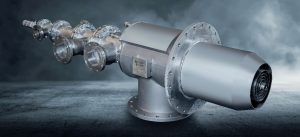
A new burner design for the combustion of natural gas with either combustion air or pure oxygen as the oxidiser has been developed by CS Combustion Solutions. The new Oxijet®-Burner has been designed to perform both start-up and main operation functions with one burner.
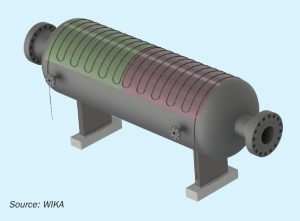
WIKA discusses a novel and easy way to monitor the shell temperature of the Claus thermal reactor using proven technology and highlights the benefits a purge-less thermocouple system for high temperature measurement.
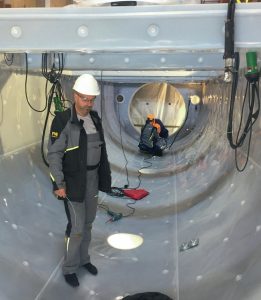
In this case study AGRU Kunststofftechnik reports on how a new condenser design, engineered by OMV and INWA AG using PFA sheets from AGRU, was implemented at OMV refinery in Austria to address maintenance problems due to corrosion of the wet sulphuric acid (WSA) condensers and the follow-up units.

The recovery of waste heat from Aurubis’ copper smelting operation in Hamburg is already helping to reduce global carbon emissions and has the potential to provide heat for up to 20,000 homes through the district heating network in Hamburg’s HafenCity. The energy for the network comes from waste heat that Aurubis recovers from their sulphuric acid plant, using unique Alfa Laval plate heat exchanger technology.

ADNOC Sour Gas highlights the best practices implemented in the newly commissioned liquid sulphur pipeline.
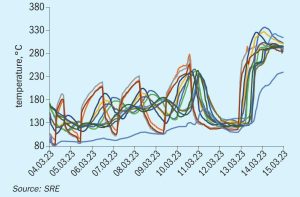
Sulfur Recovery Engineering shares the lessons learned from an emergency shutdown of an MCRC sulphur recovery unit in the middle of a cold Canadian winter.
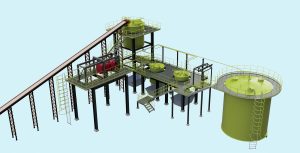
Sulphurnet discusses the importance of a whole life cycle cost analysis at the conceptual design phase when making investment decisions about new sulphur processing facilities.
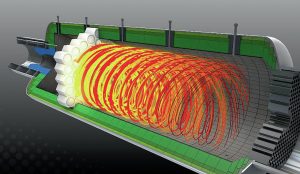
Blasch Precision Ceramics reports on the deployment of VectorWalls™ to improve the performance of the SRU thermal incinerator and provide benefits such as lower fuel gas consumption and lower CO2 emissions.
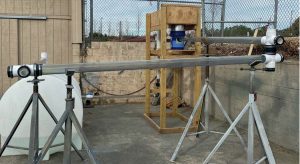
Sulphur run-down lines are typically sized by referencing past projects and ‘rules of thumb’. Very little analysis is performed to identify the impacts of slope, fittings, valves, etc. It is critical to maintain an open vapour path from the condenser to the sealing device. CSI has observed problems in the field which appear to be caused by undersized run-down lines and has developed a method of predicting the liquid level in a run-down line that considers the most common elements.