
Cefic urges rethink of EU carbon market
The European Chemical Industry Council (Cefic), which represents large, medium and small chemical companies across Europe, has urged EU policymakers to slow changes to the Emissions Trading System (ETS).


The European Chemical Industry Council (Cefic), which represents large, medium and small chemical companies across Europe, has urged EU policymakers to slow changes to the Emissions Trading System (ETS).
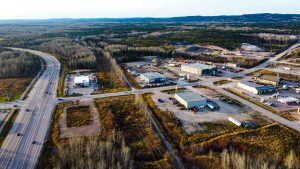
Hy2gen AG has contracted Plug Power to supply a 275 MW proton exchange membrane (PEM) electrolyser system for Project COURANT, its renewable ammonium nitrate development in Québec, Canada, marking a significant milestone in the project’s Front-End Engineering and Design (FEED) phase ahead of a planned Final Investment Decision (FID) in 2027. Project COURANT is designed […]
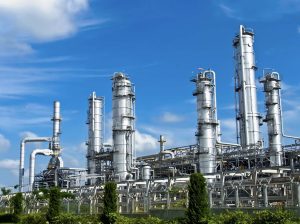
Siemens explains how digital process twins and real-time optimisation can be used to achieve significant cost savings and reduce emissions at industrial sites.

thyssenkrupp Uhde has delivered its patented EnviNOx® technology to CSBP’s newest nitric acid plant at Kwinana in Western Australia, achieving more than 98% reduction of nitrous oxide (N2O) emissions and outlet concentrations below 1 ppmv.
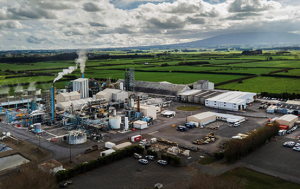
Ballance Agri‑Nutrients and its partners say that the Kapuni Project has reached financial closure, unlocking an integrated renewable electricity and green hydrogen development in ....
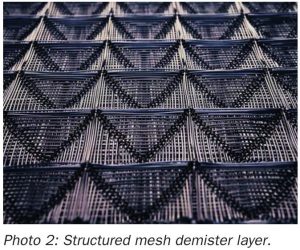
Begg Cousland Envirotec reviews different mist eliminator types and some of the operational problems encountered which can be managed by correct installation, targeted cleaning or replacement, and selecting appropriate corrosion-resistant materials.
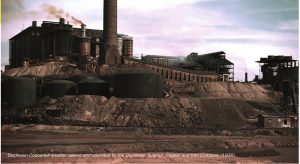
Recalibrate™ has developed a next generation sulphur burning plant to produce sulphuric acid with ultra-low sulphur dioxide and zero NOx emissions, designed to derisk the permitting process and increase speed to market for new sulphuric acid plants.

The voluntary carbon market (VCM) is maturing rapidly, and a succession of governance, standards and policy initiatives has been launched since 2020 to tackle weaknesses in integrity and scalability which have constrained uptake and undermined confidence.
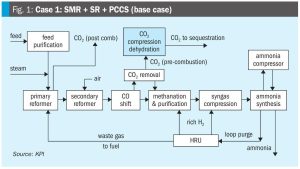
KPI evaluates deep decarbonisation pathways for a new build ammonia plant of 3,500 t/d on the US Gulf Coast. Eight technology configurations are compared with results providing a framework for technology selection, balancing emissions reduction, process integration, and indicative economics.
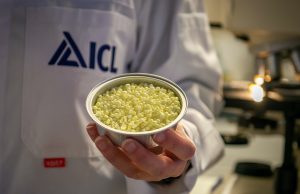
Ronald Clemens, ICL's Global Portfolio Manager, explains how new fertilizer technologies are boosting yields, cutting losses and supporting sustainability.