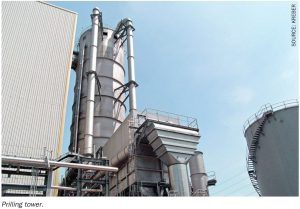
Sulphur fertilizers – the processes, the products
UreaKnowHow.com reviews the main production options for incorporating sulphur into urea, the world's most widely applied commodity fertilizer.

UreaKnowHow.com reviews the main production options for incorporating sulphur into urea, the world's most widely applied commodity fertilizer.

Metso describes how digital solutions can profit from the deep integration of using a digital process twin in sulphuric acid technology, helping to improve operation, monitoring and reporting.

MEScon 2025 took place in Abu Dhabi from 19-22 May 2025, providing delegates with renewed energy, new connections, and fresh ideas to apply across the sulphur value chain.

IPCO highlights the reasons for converting sulphur into a solid form, and compares two of the technologies most commonly used to achieve this.
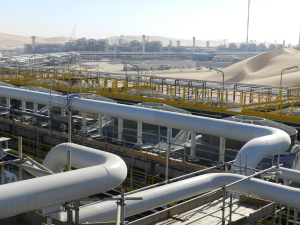
New sulphur production from Chinese and Indian refineries and Middle Eastern sour gas and the ramp up of nickel leaching projects in Indonesia continue to change the direction of sulphur trade.
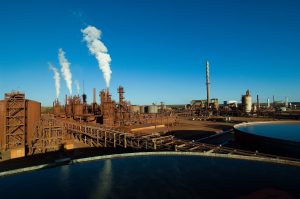
The progressive closure of smelter capacity in Australia poses potential problems for acid consumers across the country.

Titanium dioxide is one of the major chemical uses for sulphuric acid outside of phosphate and metals processing, and sulphate route plants remain concentrated in China.
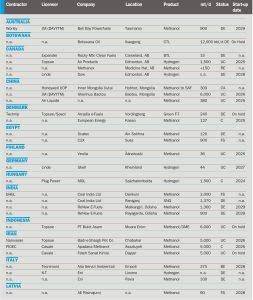
A round-up of current and proposed projects involving non-nitrogen synthesis gas derivatives, including methanol, synthetic/substitute natural gas (SNG) and gas- and coal to liquids (GTL/CTL) plants.

As well as a recent US Chemical Safety Board report on an ammonia release incident, the past year has seen considerable focus on safety of ammonia at sea, in preparation for its possible use as a clean burning maritime fuel.

This year’s International Methanol Technology Operators’ Forum (IMTOF) was held at the Holiday Inn Regents Park hotel, London, from June 15 to 18.