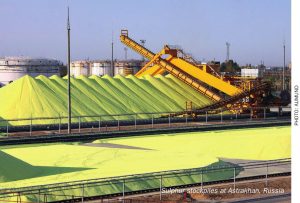
Sulphur market update
Peter Harrisson, Principal, Sulphur & Sulphuric Acid Market Services, provides a brief snapshot of the global sulphur market at the end of June 2026.


Peter Harrisson, Principal, Sulphur & Sulphuric Acid Market Services, provides a brief snapshot of the global sulphur market at the end of June 2026.
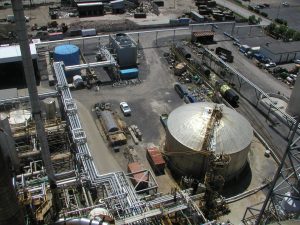
Sulphur degassing reduces hydrogen sulphide content in molten sulphur, which lowers toxic exposure risk, reduces the likelihood of explosive headspace conditions, and improves downstream handling.

Nickel is becoming increasingly important to the sulphur and sulphuric acid markets, with Indonesia now a key importer.

While there has been a focus on switching to low carbon hydrogen feeds, many options exist to decarbonise refineries, including energy efficiency, carbon capture and changing to bio-feedstocks.

A new advanced treatment process from thyssenkrupp Uhde provides a viable way to convert phosphogypsum into a valuable feedstock for clinker production and to recover sulphuric acid.
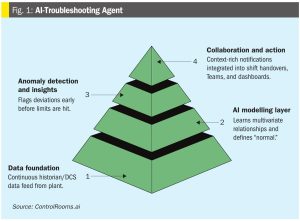
ControlRooms.ai introduces the application of an AI Troubleshooting Agent: a system that analyses real-time plant data to detect anomalies and support proactive troubleshooting between operations, engineering, and reliability teams.
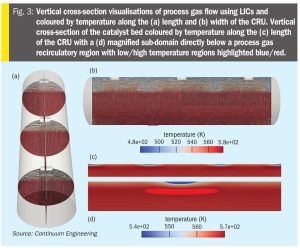
Multiphase multiphysics simulation-based analysis of an industrial-scale Claus catalytic reactor predicts improved performance resulting from the inclusion of inlet flow deflection plates.
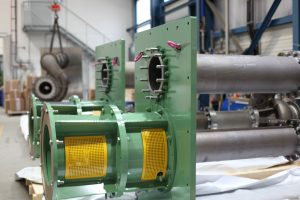
With the delivery of ten sulphuric acid pumps and a mobile tank drainage pump for a large zinc smelter in Central Asia, Rheinhütte Pumpen highlights its expertise in handling highly concentrated sulphuric acid – from alloy development and engineering to comprehensive testing on one of the most advanced pump test stands in the world.
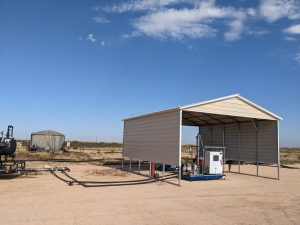
Thiozen Inc. has piloted a patented thermochemical process that removes hydrogen sulphide from sour gas while converting it into hydrogen.
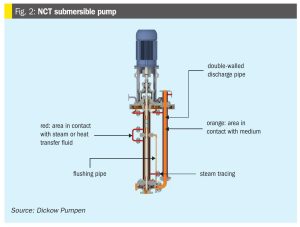
Liquid sulphur is a critical industrial feedstock, but its safe transfer is technically demanding. Dickow Pumpen maintains that reliable handling depends on a whole-system approach – integrating heating, piping, sealing, and operating procedures.