Magazine: Sulphur

Sulphur Industry News Roundup

At the organisation’s first face to face meeting since covid, in Vienna in early October, OPEC+ ministers agreed to cut global oil supplies by 2 million bbl/d in November. OPEC+ is a group of 24 oil-producing nations, made up of the 14 members of the Organisation of Petroleum Exporting Countries (OPEC), and 10 other non-OPEC members, including Russia. In a statement, the group said the decision to cut production was made “in light of the uncertainty that surrounds the global economic and oil market outlooks.”

Back on the rollercoaster

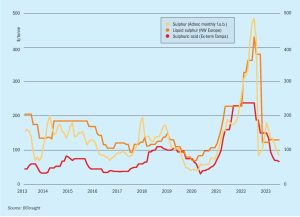
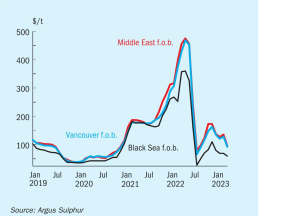
Sulphur markets suffered a correction in July-August that was more of a collapse; from $500/t to less than $100/t. Though it seems to have been something of an over-correction, and prices have moved back up since then, it is one of the most extreme price swings that sulphur has ever seen, comparable to the peak and precipitous fall in 2008. Indeed, at a time when commodity prices of all kinds have seen extremely high levels of volatility, sulphur has been more volatile still than just about all of them.

Sulphur Industry News Roundup

Saudi Aramco has confirmed a phased development approach for its $100 billion-plus Jafurah unconventional onshore gas project, which is expected to produce up to 2 billion cubic feet per day of gas by 2030, raising the company’s overall gas production capacity by 50% over that time frame. Aramco says that the first development phase for the Jafurah gas plant is likely to come on stream by 2025, and it is progressing with the phased development of a project that will reach a raw gas processing capacity of 3.1 bcf/d.

Sulphur and renewables

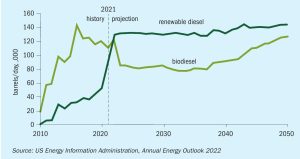
T he end of August saw a paper published in the Journal of the Royal Geographical Society by Dr Mark Maslin of University College London. Widely reported, it looked at the prospects for sulphur production in an era of declining fossil fuel use, concluding that there could be “a shortfall in the annual supply of sulphuric acid of between 100 and 320 million tonnes by 2040, depending on how quickly decarbonisation occurs”. It added that “unless action is taken to reduce the need for sulphuric acid, a massive increase in environmentally damaging mining will be required to fulfil this resource demand.”