ANALYSIS: High gas prices risk long-term impact on European fertiliser industry
High natural gas prices are pushing European fertiliser producers to halt or curtail production, mirroring what seen in 2022 at the start of the Ukraine war.


High natural gas prices are pushing European fertiliser producers to halt or curtail production, mirroring what seen in 2022 at the start of the Ukraine war.
Air Liquide has signed a deal with Perpetual Next for the supply of syngas-to-methanol technology for the company’s first biomethanol facility in the Netherlands.
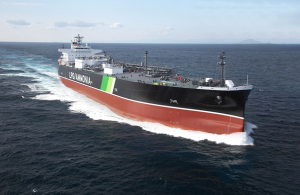
Government and local authorities have laid the first stone of an e-methanol plant in the Indian port of Kandla, Gujarat.
The Asian Development Bank (ADB) and the Government of Japan have signed financing agreements with AM Green for its Kakinada green ammonia project in Andhra Pradesh, India.
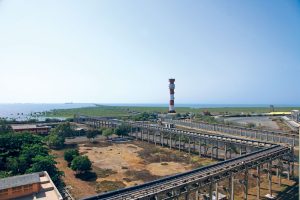
Gujarat State Fertilizers & Chemicals Limited (GSFC) is seeking joint venture partners for a large-scale green ammonia project at its Sikka production site in Jamnagar, Gujarat, India.
The Court of Appeal of Alberta, Canada has granted a real estate developer permission to appeal against the operation of a sour gas pipeline.
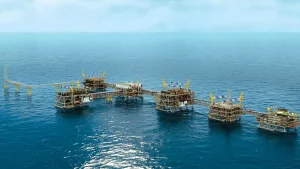
Global engineering company KBR has secured a contract to provide the upgrade of facilities at Saudi Aramco’s Marjan offshore oil and gas field in the Arabian Gulf.
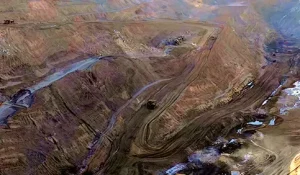
Konkola Copper Mines Plc (KCM) has awarded China NERIN Engineering Company Limited a US$498 million engineering, procurement and construction contract.
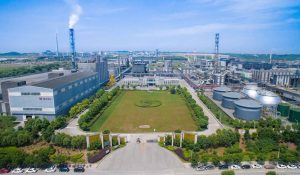
China’s Hubei Yihua Fluorochemical, a subsidiary of Hubei Yihua, has successfully completed the first phase of a 60,000 tons/year anhydrous hydrogen fluoride project, the company said.
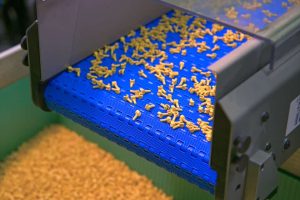
Denmark’s LEGO Group says that it has begun using renewable methanol to make more than separate elements, including cross axles, connectors, steering wheels and Minifigure hands. The announcement is the result of a previous partnership agreement with Novo Nordisk AS and European Energy Partners to support the production of green methanol on an industrial scale.