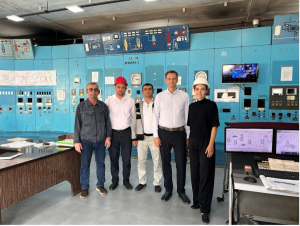
Casale to cut N₂O at Navoiyazot
Uzbek nitric acid producer Navoiyazot JSC has signed a contract with Swiss technology company CASALE SA for a secondary nitrous oxide (N₂O) abatement catalyst system at its plant in Navoiy, Uzbekistan.


Uzbek nitric acid producer Navoiyazot JSC has signed a contract with Swiss technology company CASALE SA for a secondary nitrous oxide (N₂O) abatement catalyst system at its plant in Navoiy, Uzbekistan.
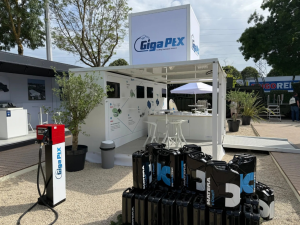
Norwegian electrolyser manufacturer Nel ASA and German defence and technology group Rheinmetall AG have signed a Memorandum of Understanding (MoU) to explore decentralised production of synthetic fuels from renewable hydrogen.
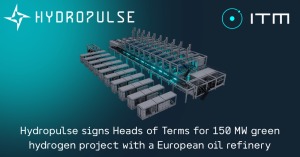
Hydropulse, a subsidiary of UK-based electrolyser manufacturer ITM Power, has signed a preliminary agreement with an unnamed European oil refinery to develop a 150 MW green hydrogen plant.
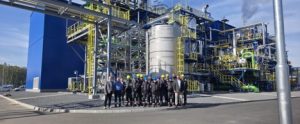
Casale has completed start-up of a 450 t/d weak nitric acid plant for BorsodChem MCHZ in Ostrava, Czech Republic.

UK Energy Group said in a stock exchange announcement on 14 October that its subsidiary UK Energy Storage had signed a five-year memorandum of understanding (MoU) with UK Nuclear.

High natural gas prices are pushing European fertiliser producers to halt or curtail production, mirroring what seen in 2022 at the start of the Ukraine war.

Air Liquide has signed a deal with Perpetual Next for the supply of syngas-to-methanol technology for the company’s first biomethanol facility in the Netherlands.
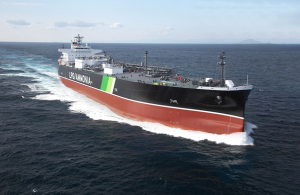
Government and local authorities have laid the first stone of an e-methanol plant in the Indian port of Kandla, Gujarat.
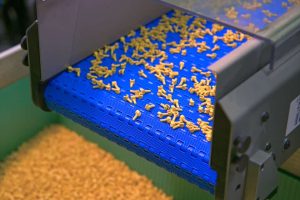
Denmark’s LEGO Group says that it has begun using renewable methanol to make more than separate elements, including cross axles, connectors, steering wheels and Minifigure hands. The announcement is the result of a previous partnership agreement with Novo Nordisk AS and European Energy Partners to support the production of green methanol on an industrial scale.

Russia’s Yefremovazot plans to build a chemical production complex in Yefremov in the country’s Tula region, domestic news agency Interfax reported on 5th October. The proposed facility will produce ammonia, urea, monoethylene glycol (MEG) and methanol. The plans were outlined in public consultation documents for a pipeline connecting the site to gas major Gazprom’s domestic […]