Sulphur 427 Nov-Dec 2026
24 November 2026
Market Outlook
Written by Sofia D'Olivo



Sulphur 427 Nov-Dec 2026
24 November 2026
Written by Sofia D'Olivo

Opening the conference, Lisa Connock, Managing Editor discussed the geopolitical disruptions and supply chain pressures that the industry has been facing, in addition to changing trade policies and the wider energy transition, all of which made the opportunity to meet in person all the more valuable. This year the conference had attracted 500 delegates from 47 countries.
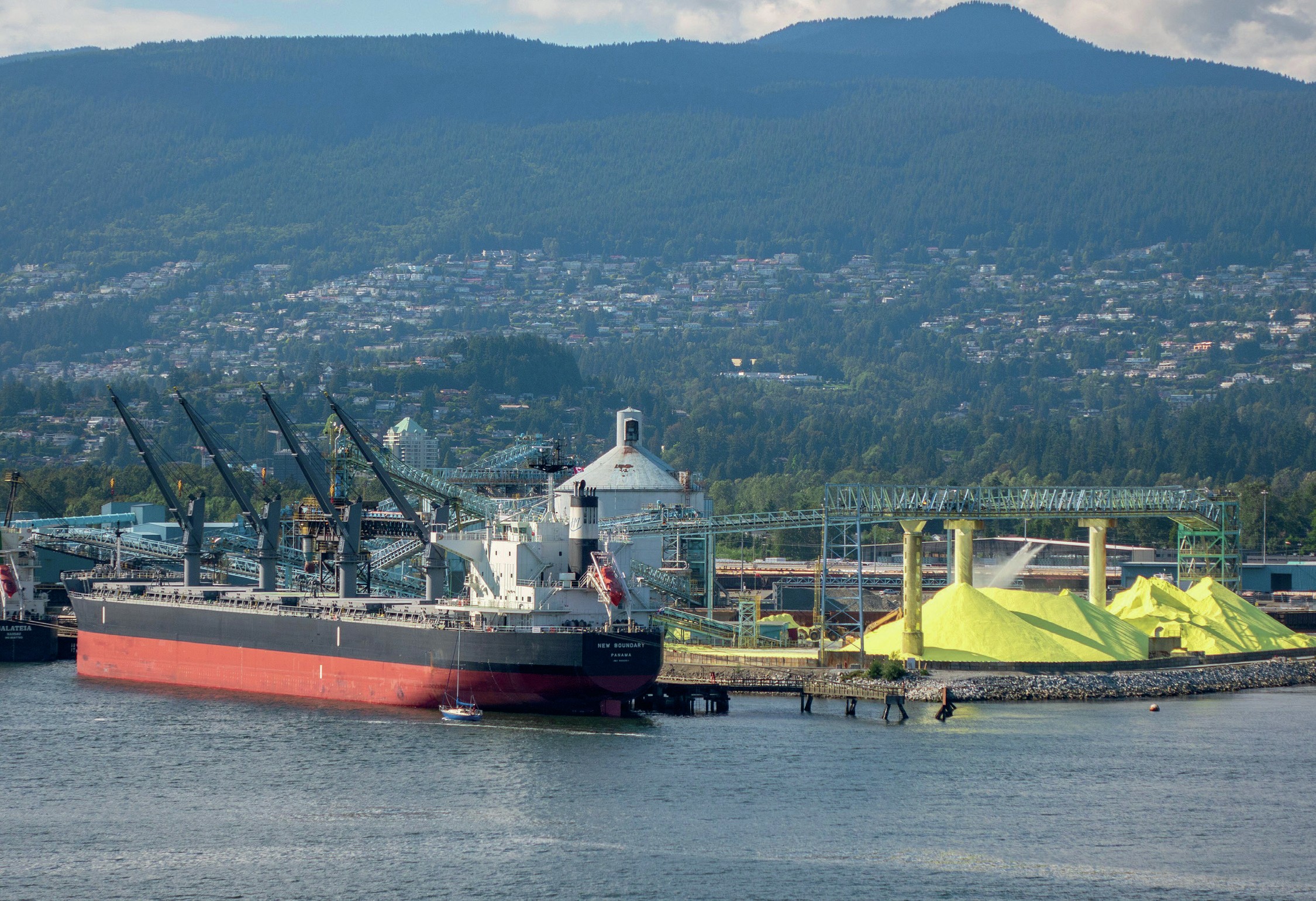
Dry bulk freight costs have become more exposed to a combination of longer trade routes, seasonal demand and disruption at key maritime chokepoints. For sulphur, the effect is clearest where cargoes compete for geared dry bulk vessels or where disruption lengthens voyages and keeps ships away from other routes.
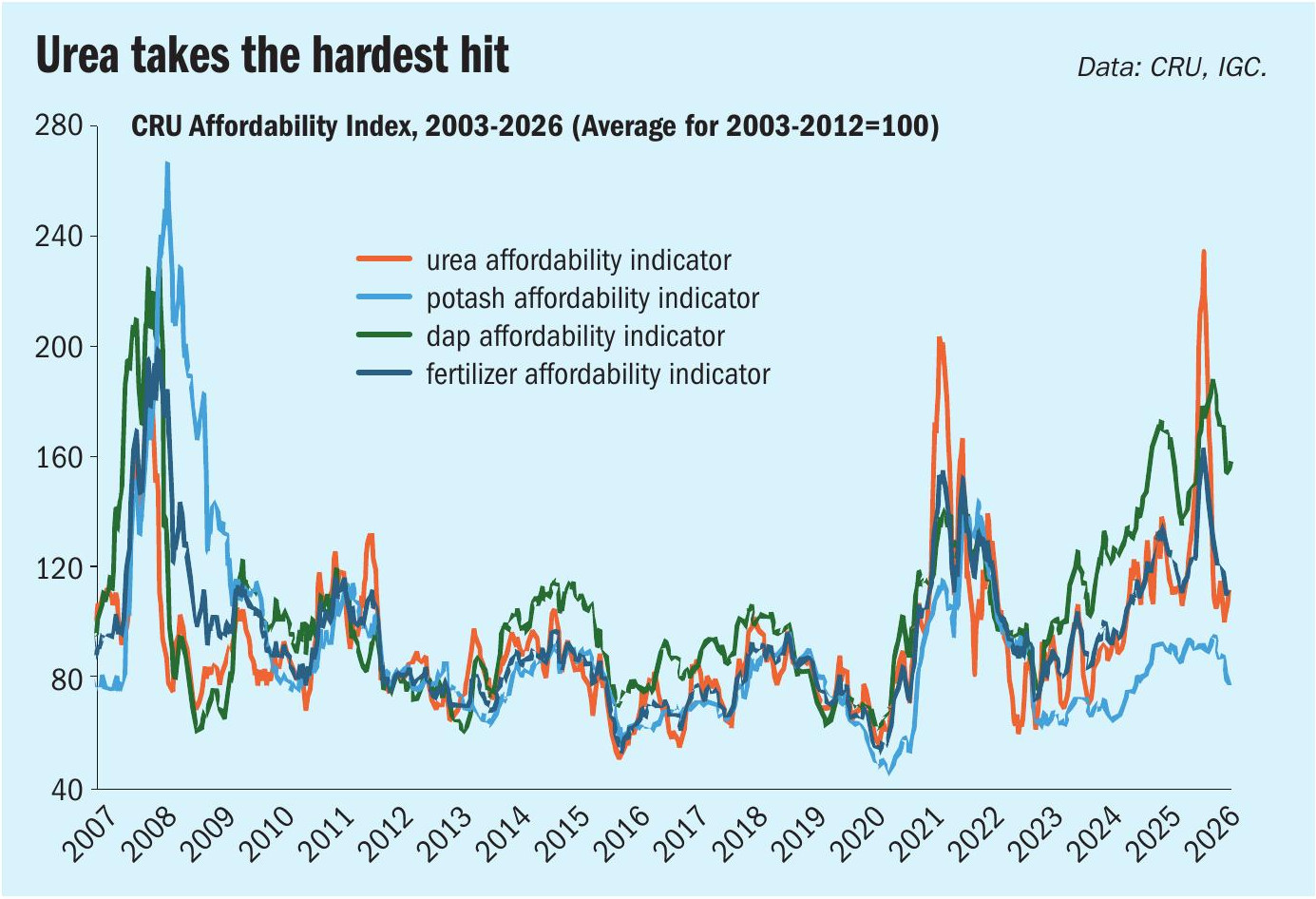
Stronger crop prices and lower urea prices eased the pressure on nitrogen fertilizer buyers after the sharp squeeze in the first half of 2026. But the relief was uneven, with regional supply conditions and differences between products shaping the recovery in buying.
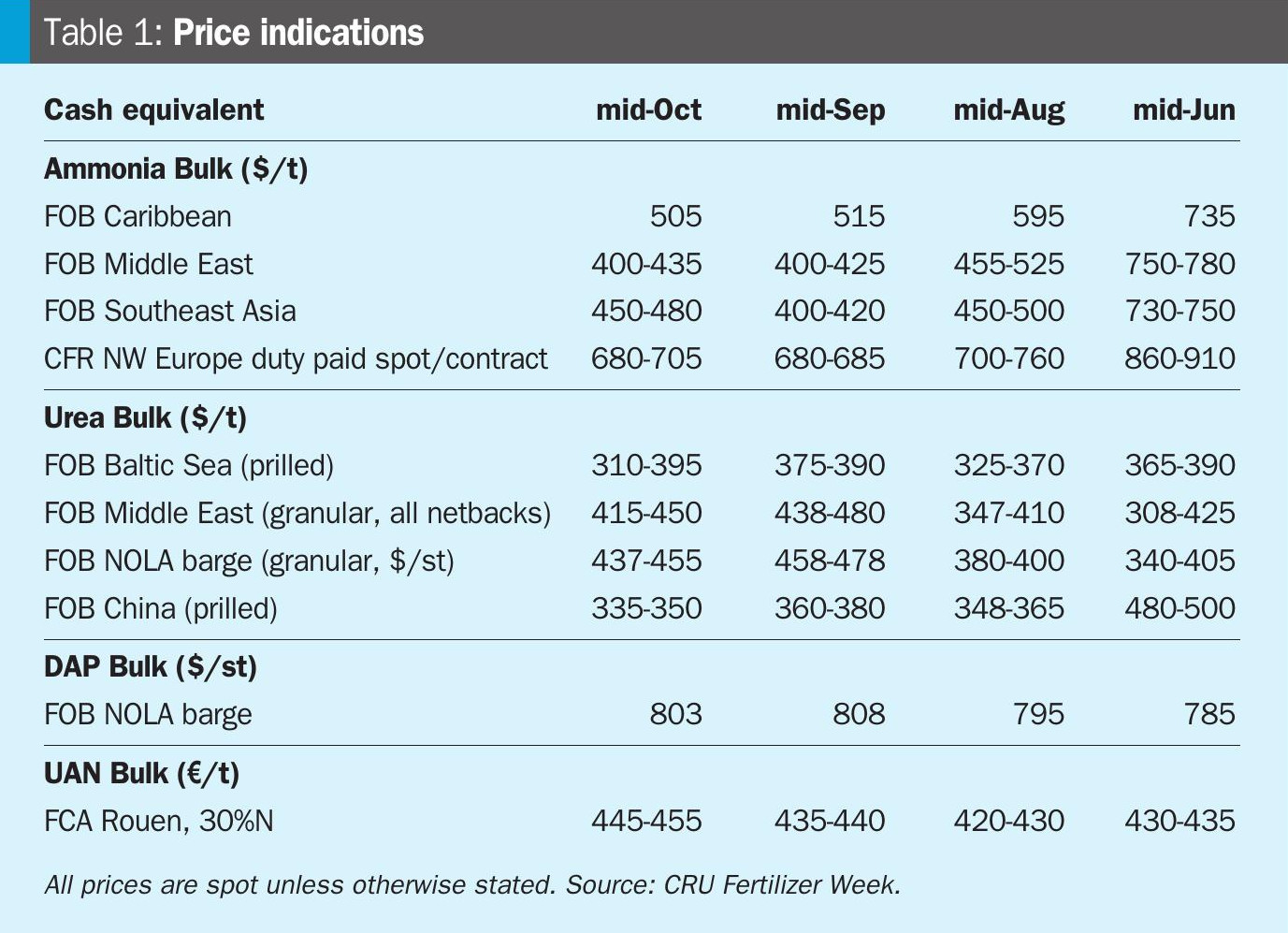
Ammonia prices firmed across most markets during October, with the sharpest gains west of Suez. In northwest Europe, CFR values climbed to $710-730/t from the low-to-mid $600s/t in early October, and held there as Dutch TTF gas prices broke above €100/MWh ($33.30/MMBtu) on 28 October. CRU estimates that around one third of European ammonia production is now curtailed, leaving buyers reliant on imports. A run of Algerian sales lifted FOB values from $610-625/t in mid-October to $670/t, and Sorfert’s latest sale of 30,000 t at $665/t FOB leaves Algeria and Egypt largely sold out to year-end, with Libyan plants offline for at least another two months.