Europe
10 June 2026
EU energy-intensive industries call for cap on grid charges
Written by Natalie Noor-Drugan
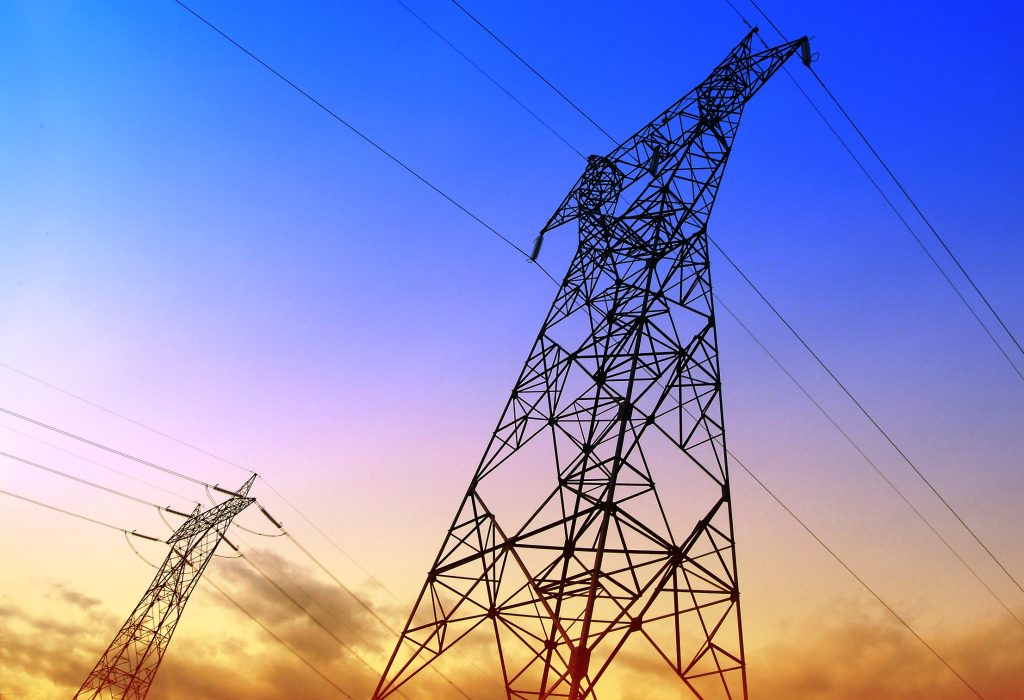
A coalition of European energy-intensive industries, including Fertilizers Europe, has called for an EU-wide cap on electricity network tariffs, warning that rising grid charges are becoming a “structural burden” on their global competitiveness and threatening investment in decarbonisation. Energy‑intensive industries (EIIs) say network costs should be limited so that industrial power prices can meet the Clean Industrial Deal’s key performance indicator of €50/MWh, not just for the wholesale energy component but for the full electricity bill.
The call comes just as the European Commission’s Fertilizer Action Plan, adopted in May 2026, promises support for gas exposed nitrogen plants and low carbon fertilizer projects – underlining that, for ammonia and nitrate producers, relief on grid costs will be as important as help on gas and carbon costs.
Industry groups seek EU-wide tariff cap
The statement says EIIs, including chemicals, metals, fertilizers and other basic materials sectors, are “indispensable” to the EU’s energy and digital transitions and to safeguarding strategic autonomy, generating more than €1.5 trillion ($1.6 trillion) in turnover and employing around 6.6 million people. This explicitly covers large ammonia and nitrate plants, which depend on stable, competitively priced electricity to decarbonise production and stay in Europe. It warns that several Member States, including Germany, Ireland and Poland, are already seeing sharp increases in network tariffs and that planned €1.2 trillion ($1.3 trillion) of grid investments by 2050 risk pushing system costs higher still.
Proposal: €0–1.2/MWh band for EIIs
To address this, the industries urge EU decision-makers to mirror existing rules that cap average grid charges for power generators and introduce a similar EU framework for energy-intensive consumers. They propose that average network tariffs for EIIs in each Member State should remain within a defined range, “for instance of €0 to €1.2/MWh,” to avoid widening tariff disparities in the Single Market and to provide “cost predictability and certainty” for long-term investment decisions.
Baseload users say they stabilise the system
The signatories stress that highly efficient industrial sites often have limited flexibility to shift demand and should not be penalised by new dynamic tariff structures for consumption during peak periods. They argue that baseload industrial users provide stability to the power system and drive a high utilisation rate of grid assets, helping to limit the need for additional grid investments and reduce renewable energy source (RES) curtailment; they cite analysis suggesting that the loss of 500 MW of industrial baseload could trigger 130 GWh of extra RES curtailment during high-generation periods.
Financing grids beyond tariffs alone
The joint statement says a tariff cap for EIIs can be implemented “without compromising the financial integrity of grid operators” and notes modelling from Norway indicating that a cap of €1.2/MWh would reduce transmission revenues from industry by only 3.4% compared with 2025 levels. However, the group argues that the broader €1.2 trillion ($1.3 trillion) grid investment programme will need a financing model that goes beyond tariff based recovery, combining private capital and EU funds such as an expanded Connecting Europe Facility under the Clean Energy Investment Strategy.