Asia

KBR tech starts up at Japan’s first NEDO‑backed green ammonia plant

Written by Natalie Noor-Drugan


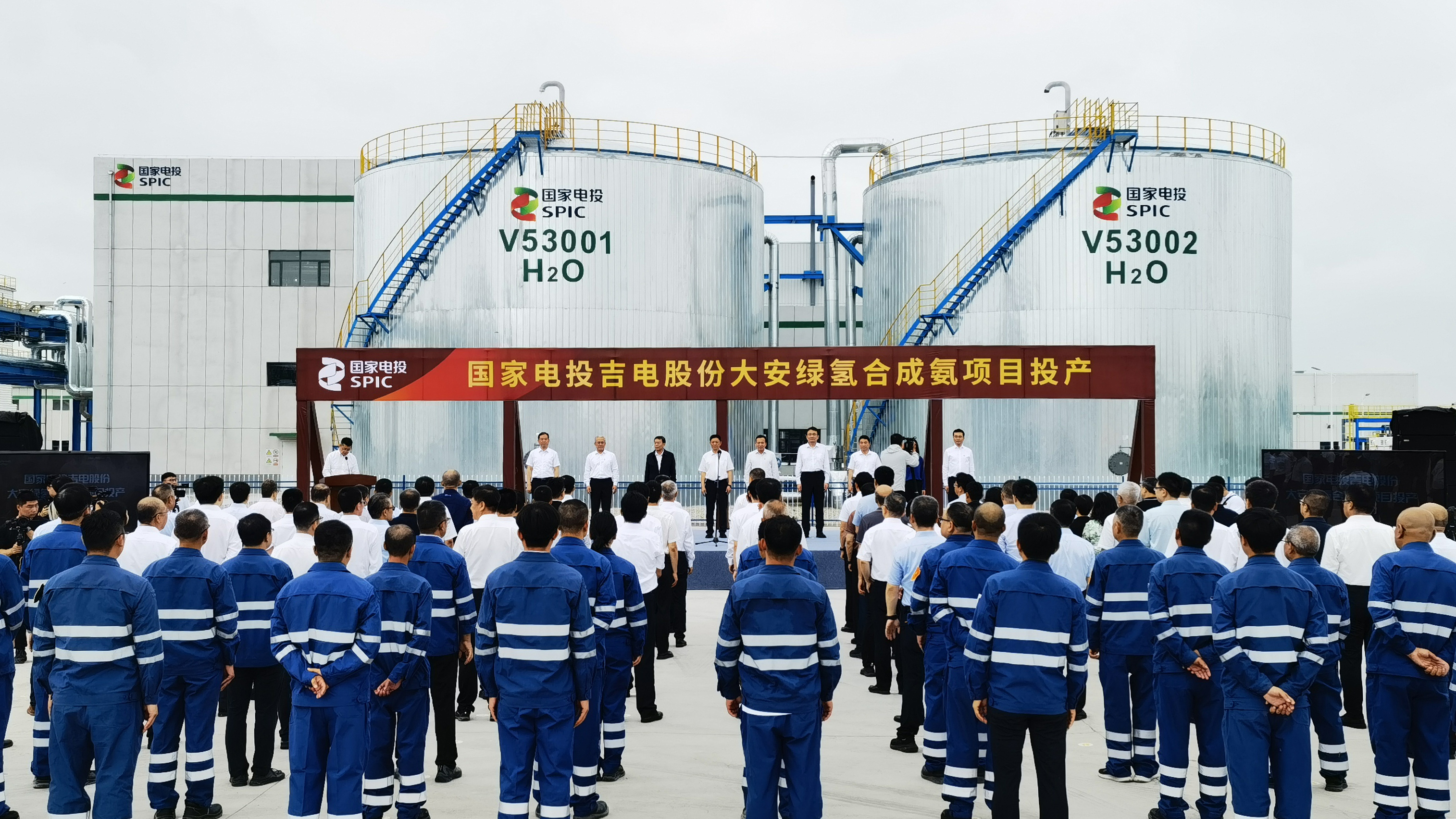
Japan’s first green ammonia plant using KBR’s K‑GreeN® process is now fully operational at a JGC Holdings Corporation site in Japan. The project is sponsored by the New Energy and Industrial Technology Development Organization (NEDO), the national agency that funds clean energy and industrial R&D.

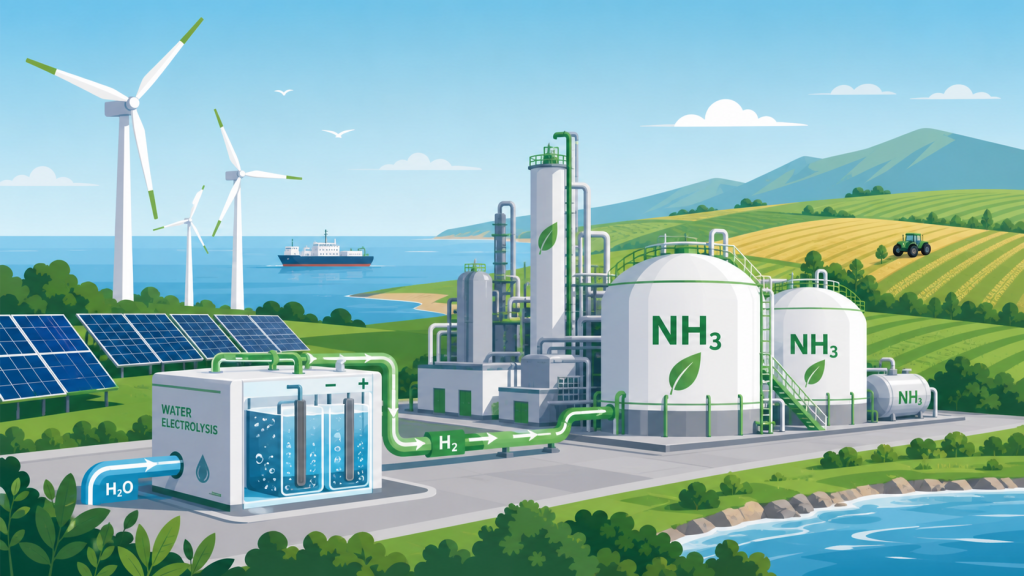
JGC, a Yokohama‑based engineering and construction group best known for oil, gas and process plants, led engineering and construction and now owns and operates the facility. KBR licensed its K‑GreeN technology and supplied proprietary equipment. Hydrogen is generated via alkaline electrolysers from Asahi Kasei, powered by a nearby photovoltaic plant and the grid, with liquefied nitrogen delivered by tanker, to produce about 4 t/d of green ammonia at full capacity for DeNox use in power plants.

The plant uses an Integrated Control System developed by JGC and Asahi Kasei alongside K‑GreeN’s advanced process control, allowing fully dynamic operation and rapid response to fluctuations in solar power. KBR said the project shows “what’s possible when industry leaders unite behind innovation,” arguing that by combining its established ammonia synthesis technology with electrolysers, nitrogen generation and smart energy storage, “reliable, renewable based ammonia is not just the future, it’s here today.”

Latest in Asia

Nickel Industries starts up ENC acid plant

Nickel Industries announced started up the sulphuric acid plant at its new Excelsior Nickel Cobalt (ENC) HPAL project in the final week of June. The ENC Project is a massive, multi-billion dollar high-pressure acid leach (HPAL) facility located in the Indonesia Morowali Industrial Park (IMIP) in Central Sulawesi, Indonesia. It is operated by Australia’s Nickel Industries to supply battery-grade materials for the electric vehicle (EV) market. At capacity, it is expected to yield roughly 72,000 t/a of contained nickel equivalent as mixed hydroxide precipitate (MHP), nickel sulphate, and nickel cathode.

Russia bans rail transport of Kazakh sulphur

Russia has ordered a “temporary cessation” of rail transport of all sulphur originating from Kazakhstan that is destined for Russian seaports and railway checkpoints, representing a significant policy shift, according to an official order from the Federal Agency for Railway Transport (Roszheldor). The directive, which took effect from May 26th, orders a halt to the loading and movement of Kazakh sulphur “until further notice.” While the measure is officially described as temporary, the order provides no specific timeline for when the transit might resume. The action cites instructions from Russia’s First Deputy Prime Minister, D.V. Manturov, as its basis.

Restart for Hongda smelter

Hongda's 100,000 t/a zinc smelter, in China's Sichuan Province, completed scheduled maintenance and equipment upgrading and officially resumed production on 21st June, the company said. The smelter had been shut down for planned maintenance since January, during which time a modernisation project for the electrolytic zinc smelting system was also carried out. Following the nearly six-month revamp, the resumption of production is expected to improve overall operational efficiency, reduce unit production costs, and increase the utilisation rate, The company said. The stable supply of sulphuric acid generated by the zinc smelter will effectively leverage the synergies of the "sulphur-phosphorus" industrial chain in the company, an help alleviate cost pressures on the company's phosphorus chemical business segment.