Africa

13 May 2026
PepsiCo drives market for low-carbon fertiliser across three routes
Written by Natalie Noor-Drugan
PepsiCo is emerging as an active downstream buyer of low-carbon fertilisers, using a mix of physical product supply, environmental attributes* and long-term partnerships to cut emissions in its crop supply chains while helping to build demand for lower-carbon nutrients. For fertiliser producers, that makes PepsiCo worth watching not just as a food company, but as a customer helping shape how the market for low-carbon fertiliser may develop.

CF Industries: direct supply into the US potato chain
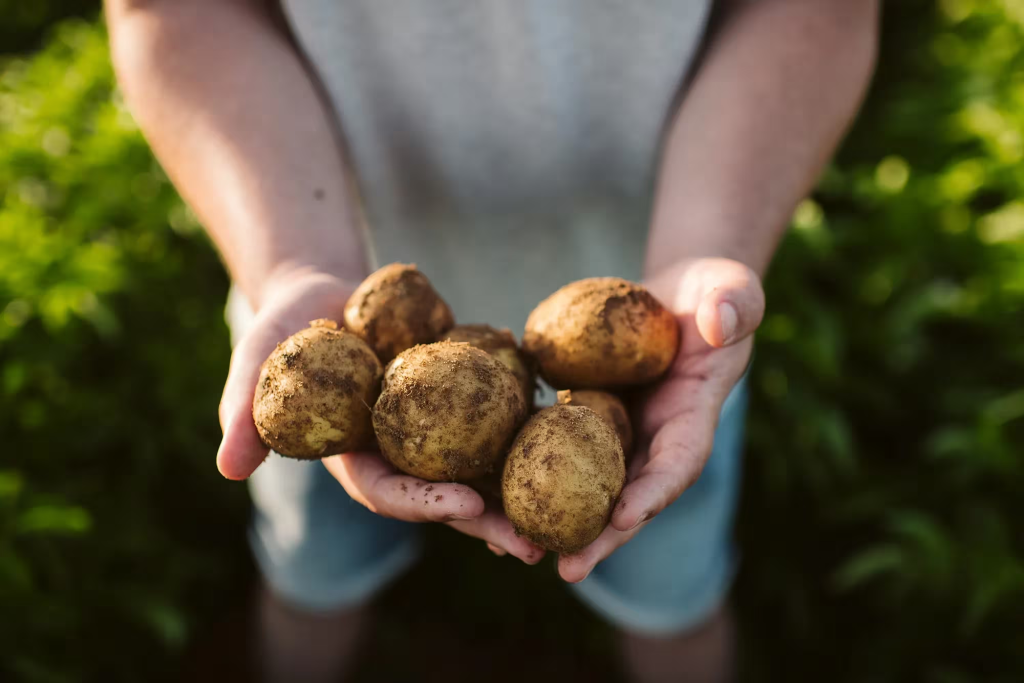
The first route is direct physical supply. In the US, CF Industries has agreed to supply certified low-carbon urea ammonium nitrate solution (UAN) to potato growers serving PepsiCo’s Frito-Lay snacks business. CF said the product will be made at Donaldsonville, Louisiana, using carbon capture and sequestration, nitric acid plant emissions abatement and other measures to lower manufacturing emissions, while allowing farmers to keep using the same fertiliser product in the same way. That matters because it gives PepsiCo a relatively simple and traceable way to lower the carbon intensity of potatoes used in its snack brands without changing farm practice.
PepsiCo is the buyer here: it contracts with food processors and retailers worldwide and owns Frito-Lay, the business that manufactures potato chips such as Lay’s and Doritos. By sourcing certified low-carbon fertiliser for the farmers who grow its potatoes, PepsiCo reduces the embedded Scope 3 emissions of the raw potatoes that go into its snack products. This is a practical way for a large buyer to cut supply-chain emissions without disrupting farm operations.
Fertiliser accounts for a sizeable share of on-farm emissions for potatoes — typically 15-20% of the crop’s greenhouse-gas footprint — so switching to a lower carbon-intensity nitrogen input can deliver meaningful, verifiable reductions across the supply chain. Because the chemistry of UAN is unchanged, the initiative preserves crop yields and quality; the emissions saving comes from production at the plant gate.
TalusAg and the attribute model
PepsiCo’s second route uses certificates rather than shipping low‑carbon tonnes into every market. The company has bought environmental attributes from TalusAg, a US ag‑tech firm that builds modular green‑ammonia units and verifies low‑carbon production. The deal covers about 30,000 tonnes, with an option on a further 41,000 tonnes, and applies across PepsiCo operations in Europe, Sub‑Saharan Africa, Asia‑Pacific and its global procurement teams.
Here’s how it works in plain terms: TalusAg produces ammonia at its sites and an independent auditor verifies the lower emissions for each tonne produced; each verified tonne issues a certificate that records that emissions saving. TalusAg can sell the physical ammonia locally as normal, while PepsiCo buys and then retires the certificates. Retiring a certificate cancels it in the registry so no one else can claim the same saving; the retirement is an auditable record that lets PepsiCo report the emissions reduction. This “book‑and‑claim” route lets PepsiCo support early low‑carbon producers, secure verified Scope‑3 reductions now, and avoid disrupting farmers’ normal supply chains while physical low‑carbon logistics scale up.
Fertiberia scales up in Europe
The third route is long-term scale-up through Europe. PepsiCo and Fertiberia have agreed to expand the use of green hydrogen-based fertiliser across about 400,000 acres, around 162,000 hectares, used to grow crops including potatoes, corn, sunflower, sugar beet and rapeseed. Fertiberia is due to supply up to 150,000 tonnes per year by 2030, with the programme launching in France, Romania, Serbia, Greece and Turkey while expanding in Spain and Portugal. The deal builds on earlier trials in Spain and Portugal, where PepsiCo said emissions were cut by up to 20% in corn and up to 15% in potatoes. Together with other supplier agreements, PepsiCo expects low-carbon sources to account for about 50% of the fertiliser used in its European supply chain by 2030.
What producers should watch
The common thread is that PepsiCo is trying to reduce one of the most emissions-intensive parts of food production in a way that works for farmers as well as suppliers. “Decarbonizing fertilizer is important to advancing climate progress at scale, but it should be done in a way that works for farmers,” said Margaret Henry, PepsiCo vice president of sustainable and regenerative agriculture. In practice, that means backing different models in different markets: buying physical tonnes where supply is available, using attributes where markets are less mature, and supporting long-term partnerships where scale can be built over time.
For fertiliser producers, the message is straightforward: big buyers are already paying for lower-carbon fertiliser, and they will do so by any credible route that works. Firms that can prove their emissions savings clearly and independently will get contracts first.
*Environmental attributes are the verified emissions benefits linked to a lower-carbon product, such as ammonia made with lower greenhouse-gas emissions. In a book-and-claim system, those benefits can be bought and counted separately from the physical fertiliser itself, a bit like renewable electricity certificates. That means a company such as PepsiCo can support low-carbon ammonia production and claim the emissions reduction even if the actual tonnes are sold elsewhere in the market.