Middle East
29 April 2026
Gulf energy assets hit as attacks escalate
Written by Natalie Noor-Drugan & Richard Hands
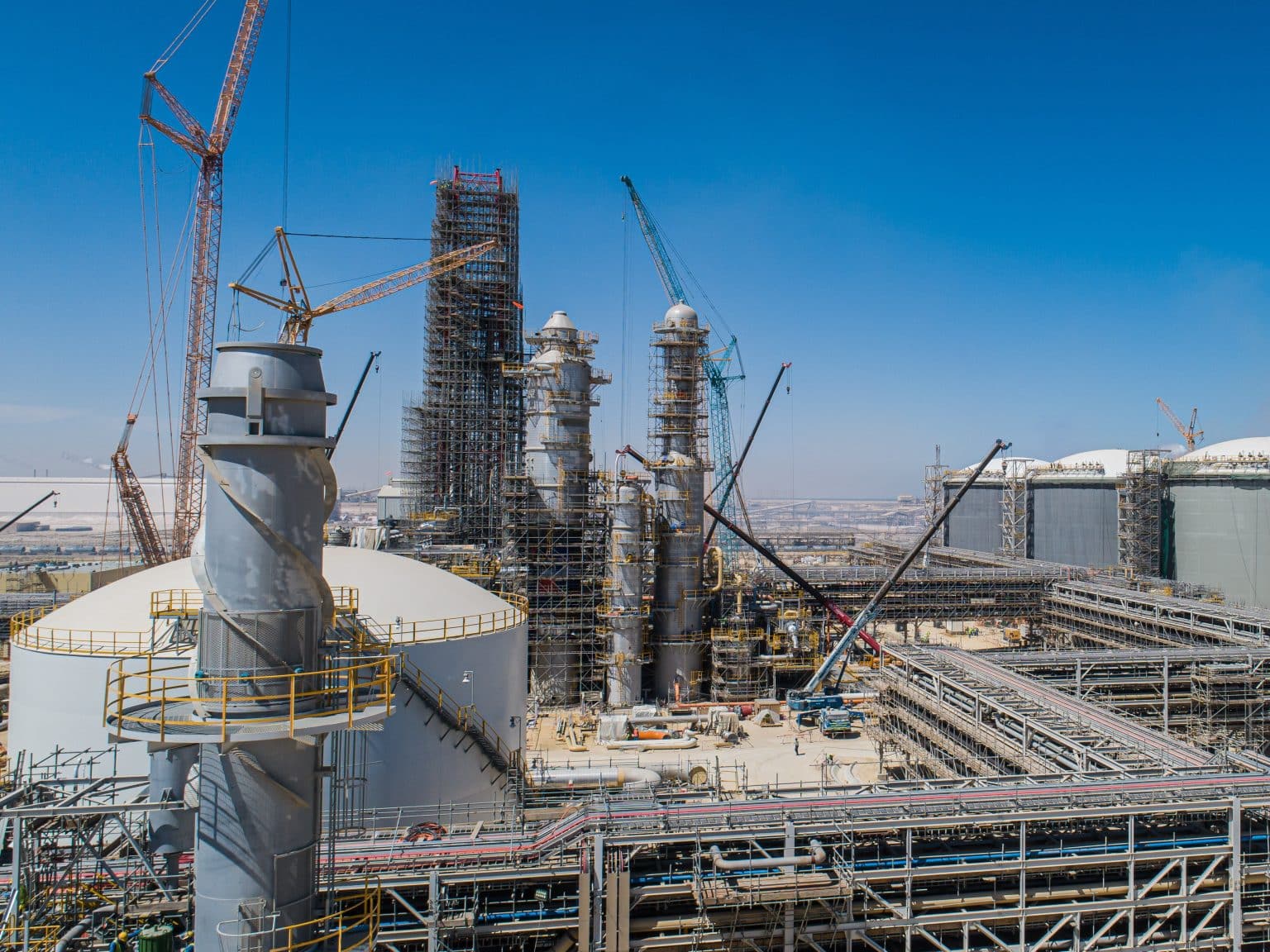
Shell temporarily halted production at its Pearl gas-to-liquids (GTL) facility in Qatar after aerial attacks on Ras Laffan Industrial City on 18 March caused a fire on one of its processing trains. Pearl GTL is one of the largest facilities of its kind globally, with capacity to process up to 1.6 bcf/d of gas into 140,000 bbl/d of liquid fuels. The fire was quickly contained and no injuries were reported, but production was suspended to assess the damage.
Shell has since confirmed that Unit 1 sustained no damage and continues to operate normally. However, Unit 2 remains offline and “will require approximately one year for complete repairs,” following a full technical assessment. Shell also confirmed that Pearl was already producing at reduced rates prior to the attack due to the Strait of Hormuz blockage.
Iran methanol complex struck
Ten days later, on 28 March, US and Israeli air attacks struck the Kaveh Petrochemical methanol complex at Dayyer port in Bushehr province. According to semi-official Tasnim News Agency, two projectiles hit the pier of the facility, damaging the pier’s control room. The production units themselves were not damaged, and main units continued operating without disruption throughout. No casualties were reported.
Wider Gulf disruption mounts
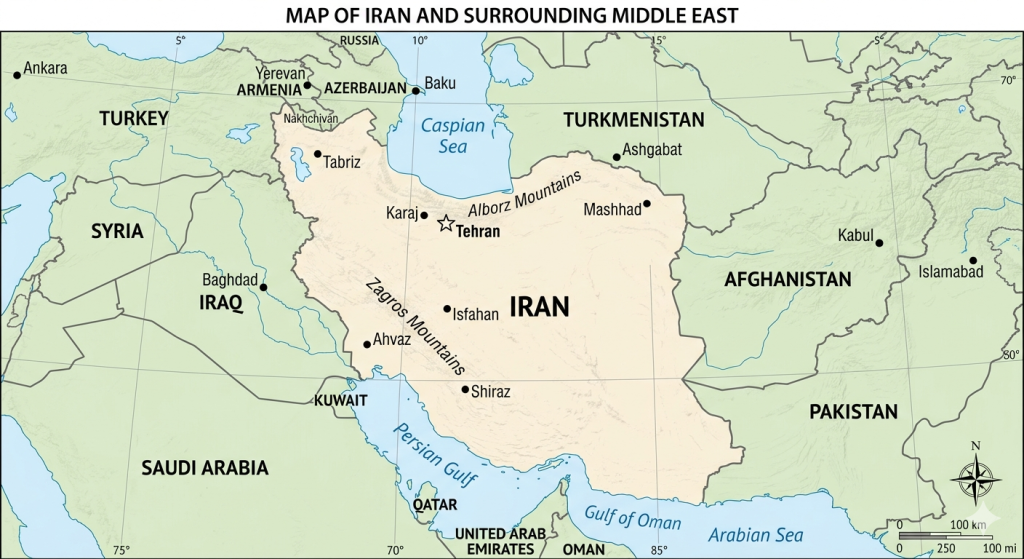
The attack on Ras Laffan is part of a broader escalation affecting multiple Gulf energy assets, with Iranian strikes reportedly damaging facilities across Qatar, Saudi Arabia, the UAE and Kuwait. Qatar’s LNG production has been offline since early March, with no confirmed restart date. The disruption at Pearl GTL further tightens energy markets already under pressure from logistical challenges, including blockages in the Strait of Hormuz.