Sulphur 423 Mar-Apr 2026
23 March 2026
Safe handling of hydrogen sulphide
SAFETY
Safe handling of H2S
The US Chemical Safety and Hazard Investigation Board (CSB) has released its final investigation report into the fatal release of hydrogen sulphide at the PEMEX Deer Park Refinery in Texas in October 2024.
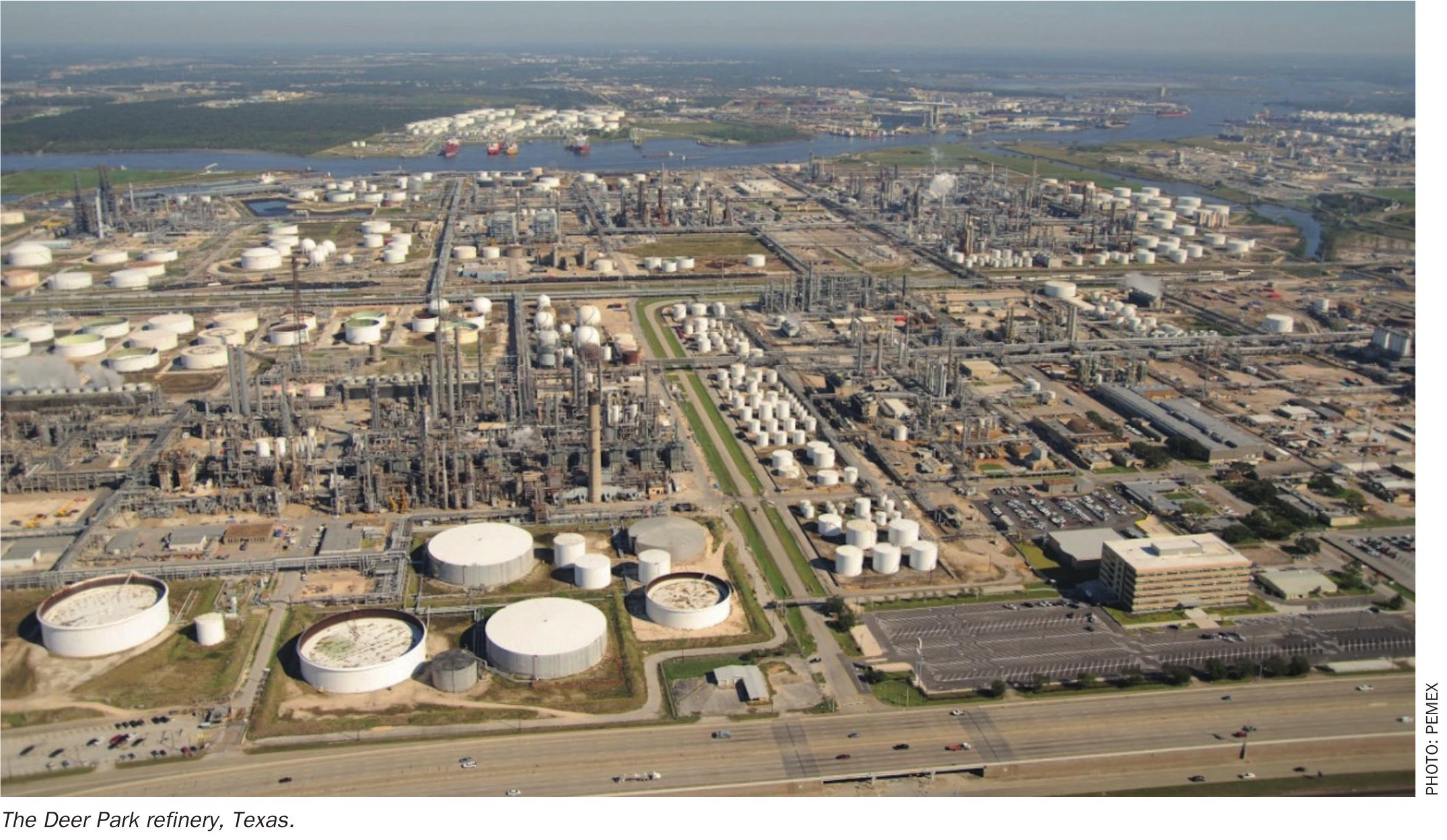
The report notes that two contract workers died as a result of exposure to H2 S, and 13 others were transported to local medical facilities, with dozens more treated at the scene. In total, 13 ½ tons of hydrogen sulphide gas were released during the incident, and a shelter-in-place order was issued for two neighbouring cities.
The release occurred at approximately 4:23 p.m. on October 10, 2024, during maintenance activities in the refinery’s amine unit, when contract workers mistakenly opened a flange on piping that contained pressurised hydrogen sulphide. The workers had been supposed to open a different flange on piping that was located approximately five feet away. One worker was fatally injured when the gas was released. The hydrogen sulphide vapor subsequently travelled downwind into an adjacent unit, where a worker employed by another contractor inhaled the toxic gas and was also fatally injured.
The release continued for nearly one hour until refinery emergency responders reassembled the leaking flange and stopped the discharge. Because of the release, local officials in the neighbouring cities of Deer Park and Pasadena, Texas, issued shelter-in-place orders that remained in effect for several hours. Although the refinery did not sustain physical structural damage, the company reported approximately $12.3 million in property damage related to loss of use of the amine unit and downstream processes.
In the report, CSB Chairperson Steve Owens commented: “Two people died and the surrounding community was put at risk because of a completely preventable mistake. Companies must ensure that hazards are clearly identified and that effective procedures are in place to protect workers in facilities like this and the people who live and work nearby.”
The CSB’s final report concludes that the incident resulted from the failure to positively identify the correct equipment before mistakenly opening the piping that contained hydrogen sulphide instead of the piping that had been clear of the toxic gas. Contributing to the severity of the incident, says the CSB, was the refinery’s failure to adequately assess the hazards of conducting pipe-opening activities in an active unit next to an area where numerous other workers were present. The investigation also found that deviations from established policies and procedures contributed to the event.
Key findings
Positive Equipment Identification: the CSB found that the refinery lacked an effective method to clearly identify the correct piping flange before work began. Drawings and flange lists were insufficient to distinguish nearly identical segments, and the identification tag for the correct flange was placed out of view. Without reliable identification, workers searched for unlocked flange devices similar to what they had seen elsewhere in the refinery. The CSB noted that accidental releases from opening the wrong equipment are common in the chemical and refining industries and that no industry-wide standard currently addresses this issue.
Work Permitting and Hazard Control: the refinery issued a broad work permit covering multiple jobs with varying hazards and without clear hold points. Workers overlooked a written instruction to stop work and obtain an operator’s presence before opening the hydrogen sulphide piping. The permit also failed to address the hazard of opening piping in an operational unit upwind of other contractors.
Turnaround Contractor Management: On the day of the incident, workers were reassigned from a shutdown unit to a partially operational unit containing hydrogen sulphide. This change, combined with the proximity of the units, led workers to believe they were still working in the shutdown environment, and they were not specifically informed of the risks in the operational unit.
Conduct of Operations: The CSB identified gaps between written procedures and actual practices at the facility. While the refinery’s policies aligned with industry standards, management and operations personnel often misunderstood or deviated from them, contributing to failures in work permitting and hazard evaluation.
According to CSB Investigator-in-Charge Tyler Nelson: “Opening hazardous process piping is a common maintenance activity that can be performed safely with effective equipment identification and work permitting practices. This tragic incident underscores the critical importance of equipment identification methods that are clear, consistent, and verified by both facility operators and contract workers before equipment is opened. Strong equipment marking practices, effective work controls, and disciplined operations are essential to preventing deadly releases like this one.”
Recommendations
The report issues several safety recommendations to Pemex Deer Park Refinery and the American Society of Mechanical Engineers (ASME). Firstly, it recommends Pemex Deer Park label all piping in the relevant unit at the refinery in accordance with ANSI/ASME A13.1. It also recommends that the company implement procedures to ensure that workers reassigned to units in “positive isolation status” are clearly informed of associated hazards and safeguards before beginning work, and that they establish a comprehensive conduct of operations system consistent with the Centre for Chemical Process Safety’s guidance on operational discipline, including enforceable performance metrics and routine audits.
Separately, the CSB recommended that ASME develop written guidelines establishing a standard practice for marking equipment prior to opening, including clear identifiers and requirements for removing markings after work is complete.