Sulphur 422 Jan-Feb 2026

Sulphur ban extended


RUSSIA

Sulphur ban extended

At the end of December, the Russian government extended its ban on the export of technical sulphur until at least the end of March 2026. The move prolongs the initial restrictions, which were first reported on 4 November and which were set to expire at the end of 2025. The initial ban was widely expected and followed early September drone strikes on the Astrakhan and Orenburg natural-gas plants. The official justification for the extension remains to “stabilise shipments of raw materials to the domestic market” and maintain production volumes for mineral fertilizers, according to the government’s press service Interfax.

The restrictions apply to liquid, granulated, and lump sulphur. A number of exemptions to the ban remain in place. Deliveries to fellow Eurasian Economic Union (EAEU) members, Abkhazia, and South Ossetia are still permitted. The decree also clarifies that the restrictions do not apply to humanitarian aid, international transit shipments, or supplies for Russian operations on the Svalbard archipelago. Crucially, the specific exemption for international transit means that shipments of material from other origins, such as Kazakhstan, passing through Russian ports, have not been affected by the ban.
Latest in Industrial

Low sulphur refinery upgrade for Viva Energy

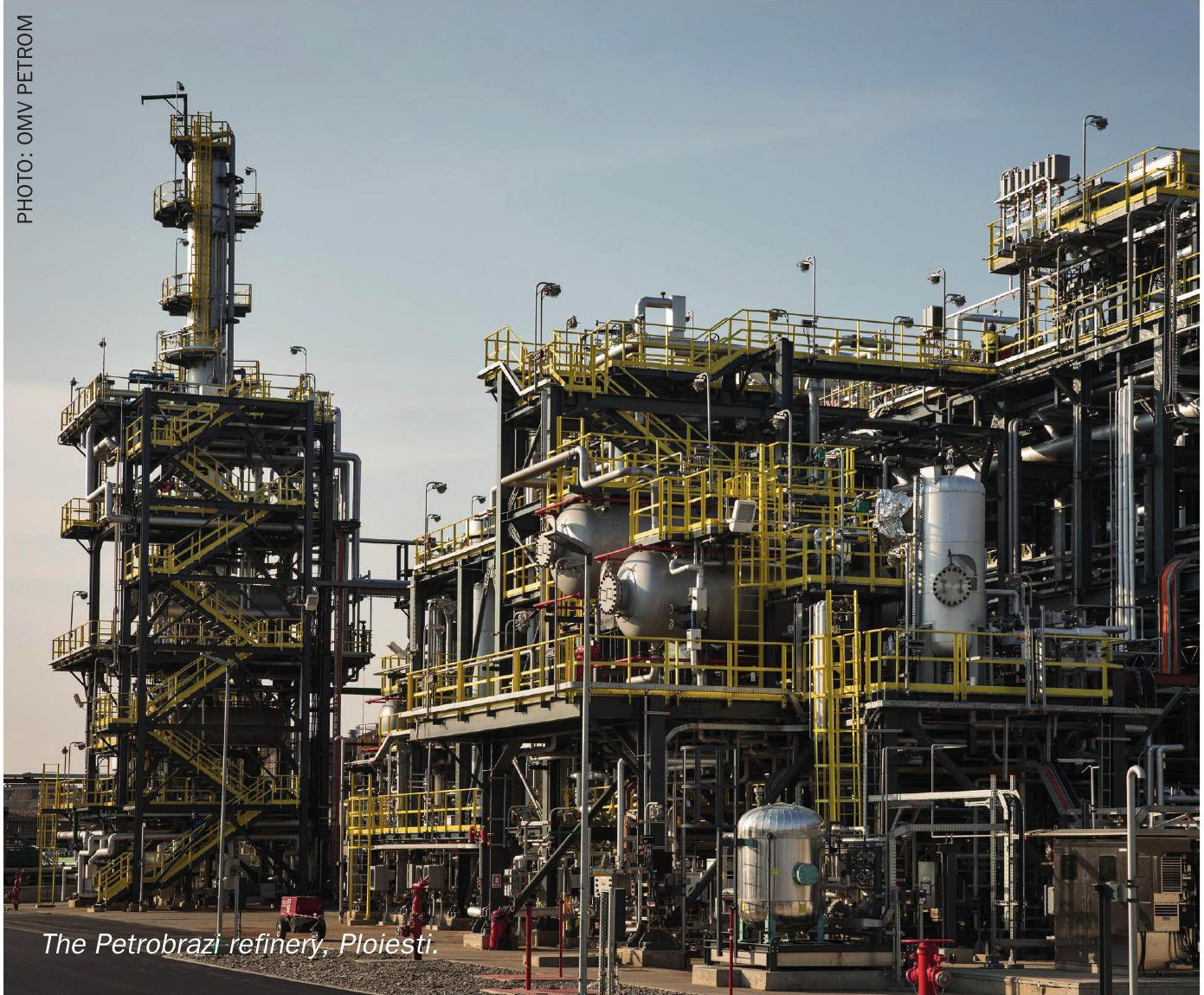
Viva Energy has commissioned a new ultra-low sulphur gasoline (ULSG) plant at its Geelong refinery to meet Australia’s updated fuel standards, which came into effect on December 15. Under the standards, all gasoline grades must contain a maximum of 10 parts per million (ppm) sulphur, a so-called Euro-V standard. The ULSG plant was officially opened by the Minister for Climate Change and Energy, Chris Bowen MP, alongside Viva Energy Chairman Robert Hill and CEO Scott Wyatt.

Price Trends

The global sulphur market’s bullish momentum from late 2025 has firmly carried over into the New Year, with prices pushing forward across most key regions despite a slow return to spot trading after the holiday break. With spot prices now past their 2022 highs and testing levels not seen since the 2008 peak, affordability has become the market’s central theme. The market remains divergent, with some buyers forced to accept the rally due to tight supply, while others, particularly in China, are showing clear signs of demand destruction.

Acid leak into ship canal

Around 1 million gallons of sulphuric acid was released from an industrial facility, some of it into the Houston Ship Channel, in late December. A pipeline ruptured when an elevated walkway collapsed at the BWC Terminals facility in Channelview, east of Houston. Two people were transported to a hospital and subsequently released, while 44 others were treated and released at the scene. BWC Terminals said in a statement the majority of the sulphuric acid released was into a designated containment area, with a smaller, unknown amount entering the ship channel.

Mixed smelter for Tennessee

Korea Zinc says it will partner with the US government to construct a critical minerals smelter in Clarksville, Tennessee, producing zinc, lead, and copper. Korea Zinc will begin site preparation next year, followed by phased commercial operations from 2029. The plant is planned to process around 1.0 million t/a of raw materials and turn out 540,000 st/a of finished products. Processing of gold, silver, and key strategic minerals such as antimony, indium, bismuth, tellurium, cadmium, palladium, gallium and germanium, are also planned in what is being touted as a "state-of-the-art" facility. Sulphuric acid and semiconductor-grade sulphuric acid will also be produced. The output will include 300,000 t/a of zinc production, 200,000 t/a of lead, 35,000 t/a of copper and 5,100 t/a of rare and strategic metals. Development will be through Korea Zinc’s US subsidiary, Crucible Metals.