Sulphur 419 Jul-Aug 2025

Karatau expansion onstream next year


KAZAKHSTAN

Karatau expansion onstream next year

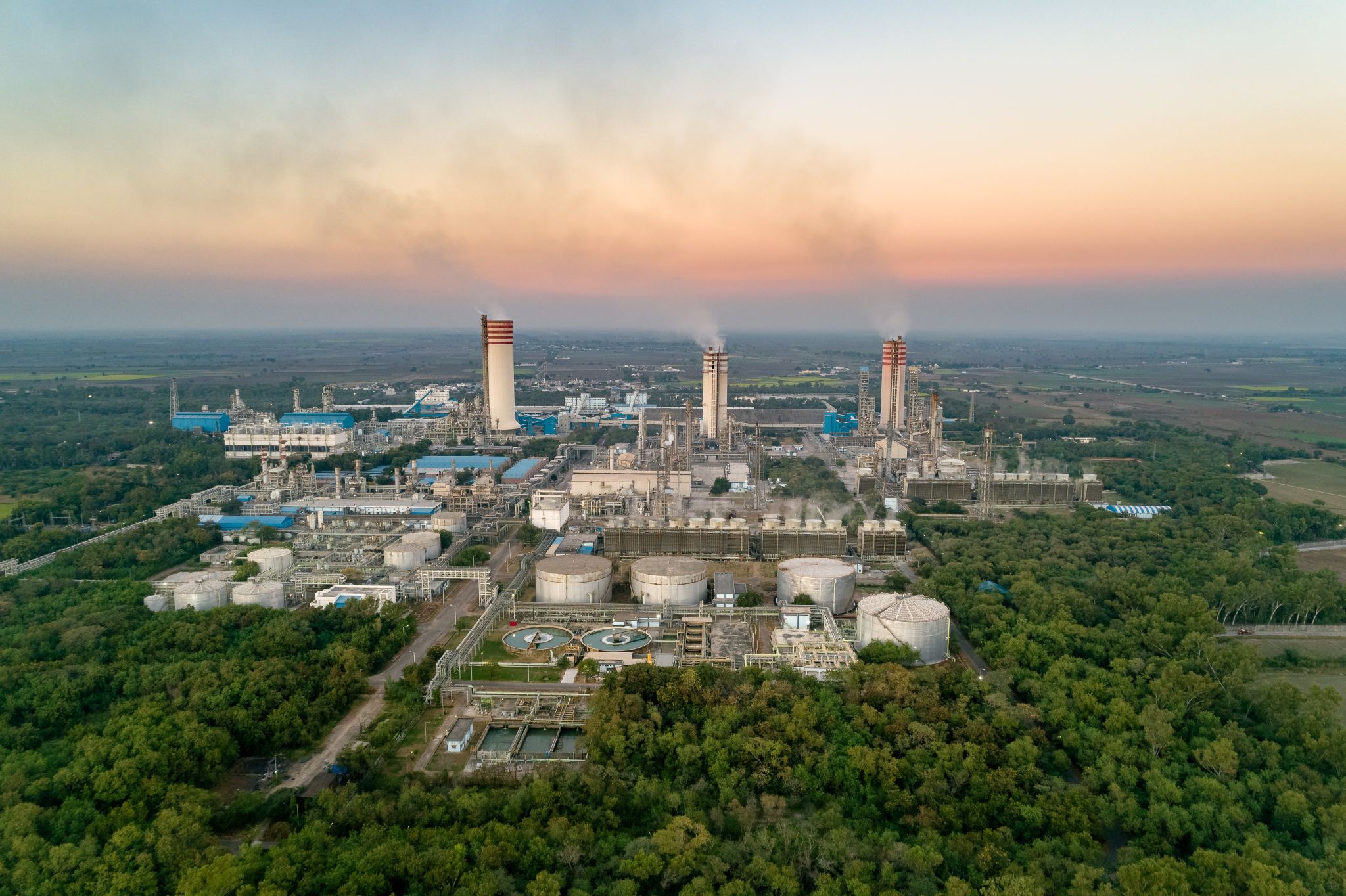
EuroChem says that it expects the Phase III expansion project at its Karatau phosphate development in Kazakhstan to be onstream by 2026. In its Annual Report, EuroChem says that it signed an agreement with the China National Chemical Engineering Co. in May 2024 for the engineering, procurement, construction and commissioning of the chemical complex, and construction is now underway. The company says that it has also had state permits for the construction of additional sulphuric acid production, where the installation of large-capacity equipment is already underway and the first product is expected in 2026. The fertilizer plant is expected to have a capacity of around 1 million t/a, with a construction cost of $1.1 billion for the project. Phosphate reserves at Karatau are put at 41 million tonnes.


Latest in Agricultural

Cherepovets hit by drone strikes; phosphate impact unclear

Multiple drone strikes have hit the industrial city of Cherepovets in Russia's Vologda Oblast region, according to Russian news agency TASS. The area contains PhosAgro's largest phosphate fertilizer production site. Cherepovets has a production capacity of around 700,000 t/a NPK and around 814,000 t/year DAP/MAP, according to CRU data, making it the largest phosphate fertilizer production site across Europe and the CIS. The site also contains several sulphuric acid plants with a combined capacity of 4.5 million t/a, making it Russia's largest production hub for the acid. This entire volume is consumed domestically.

CRU Phosphates+Potash conference focuses on sulphur

CRU’s Phosphates+Potash Expoconference was held in Paris in mid-April, with the Iran crisis uppermost in everyone’s mind. Margins are under pressure, sulphur has become a strategic constraint, and the phosphates investment pipeline is thin. CRU Principal Consultant Humphrey Knight examined the fallout from the closure of the Strait of Hormuz, noting that fertilizers have been hit harder than most bulk commodities. A large share of exportable sulphur and traded urea normally originates in, or passes through, Gulf producers. The effective closure of the strait has squeezed the traded part of these markets, where international prices are set, and pushed benchmarks up sharply. The global phosphate market is structurally tight, and the combination of Chinese export policy and Middle East logistics has pushed the traded segment into a much more fragile state.