Fertilizer International 525 Mar-Apr 2025

18 March 2025



Fertilizer International 525 Mar-Apr 2025
18 March 2025

The second-largest of Mosaic’s three US phosphate rock mines is being temporarily shut due to the current sulphur supply and affordability crisis.
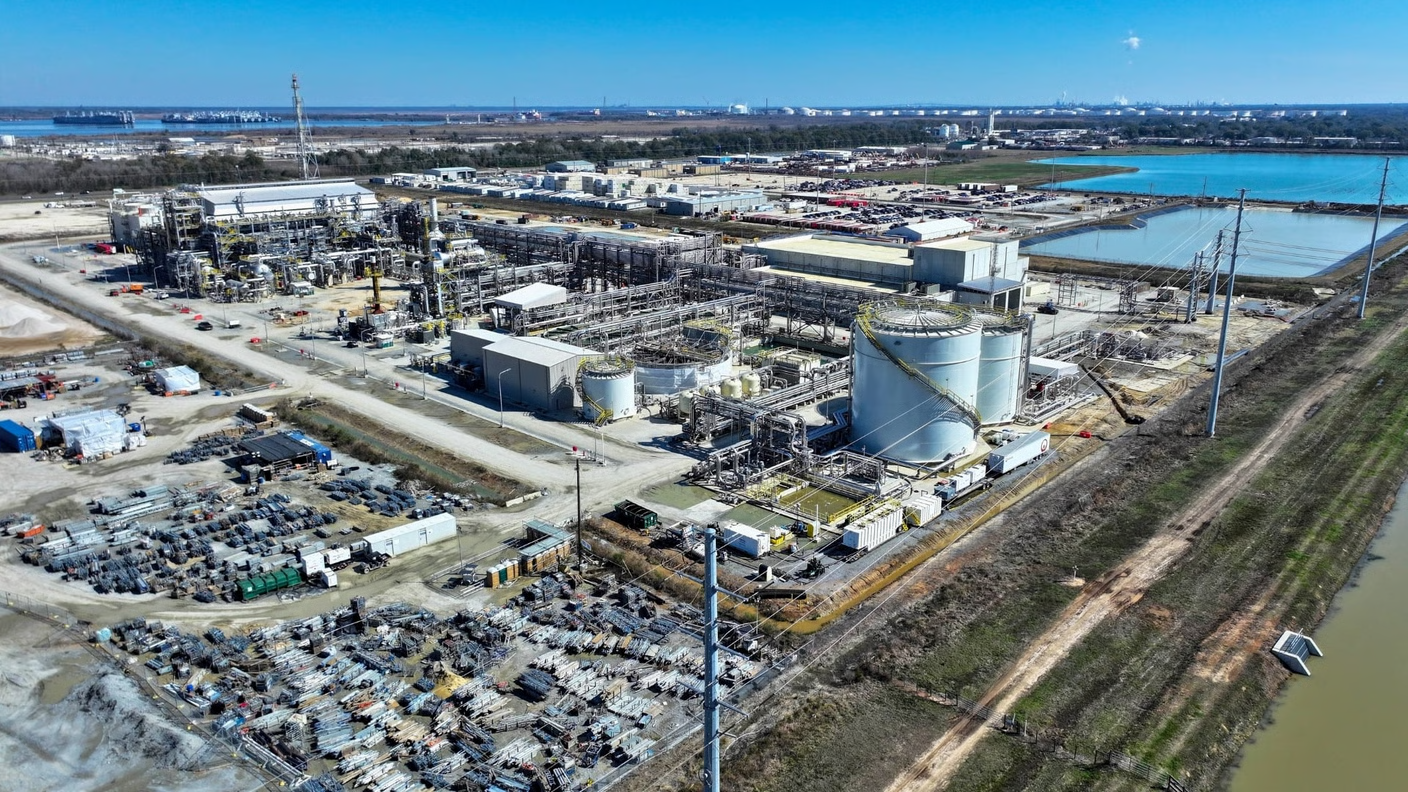
Owner Woodside Energy has signed up to the pilot phase of the Ammonia Certification System run by trade body the Ammonia Energy Association.

The governing council of Castilla y León has agreed to grant priority industrial project status to the eM-Numancia project. EM-Numancia is a €320 million green methanol project which aims to combine renewable hydrogen produced by water electrolysis using renewable electricity with syngas generated by the gasification of forest biomass – principally pine wood. The facility […]

Sojitz Solvadis GmbH, marketer and distributor of basic and specialty chemicals, has acquired 100% of the share capital of France’s Citis SAS and Citis Forming SAS from PLF Ressources. The companies, collectively known as Citis Group, distribute liquid sulphur, provide logistics and storage services, and convert liquid sulphur into solid pastilles and other sulphur products […]
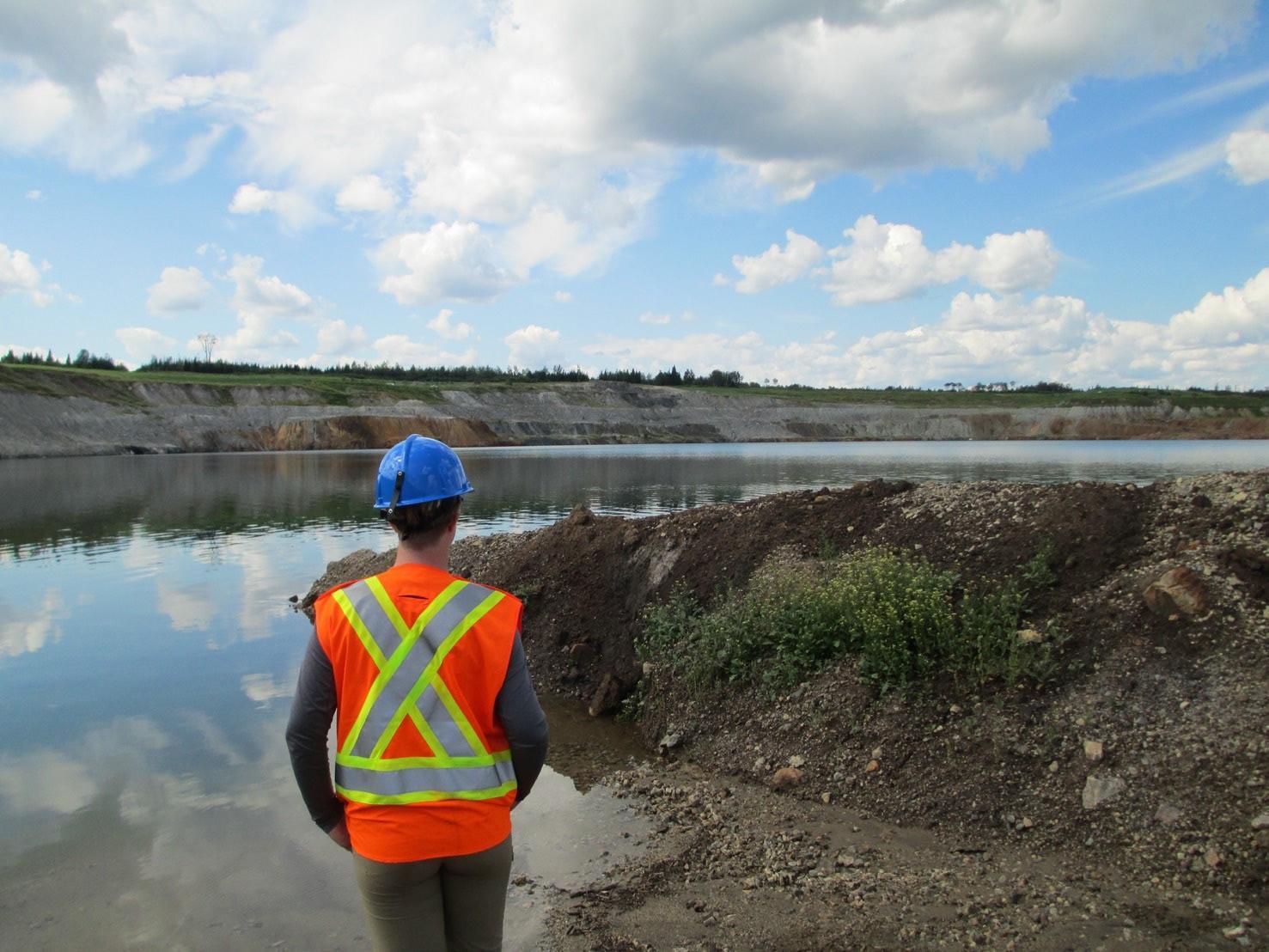
Developer KAP Minerals hopes the study will move the Northern Ontario phosphate, rare earths and strategic minerals project closer to commercial development.