
European ammonia imports
Europe is likely to become an increasing ammonia importer over the coming years as low global ammonia prices and high European gas prices squeeze producer margins, but CBAM remains a wild card.


Europe is likely to become an increasing ammonia importer over the coming years as low global ammonia prices and high European gas prices squeeze producer margins, but CBAM remains a wild card.

The US ended ‘reciprocal tariffs’ on fertilizer imports on 14th November.
India India has imposed five-year anti-dumping duties on six Chinese imports, including insoluble sulphur, mainly used in the vulcanisation of rubber. The move follows an investigation by India’s Directorate General of Trade Remedies (DGTR) last year, following a complaint by Oriental Carbon and Chemicals in March 2024. The period covered by the investigation was from 1st Jan 2023 to 31st Dec 2023, while the injury investigation period ran from April 2020 to 31st Dec 2023. DGTR made a determination that Chinese exporters had been selling the six products at unfairly low prices, adversely affecting the profitability of Indian producers. DGTR says that the duties it has imposed are “aligned with WTO norms” and aim to protect domestic industries from unfair trade practices and address the growing trade imbalance with China. According to the trade authority, the market share of the countries subject to duties “has been significantly increasing” while local Indian industry’s capacities are “lying idle” amid growing demand. n
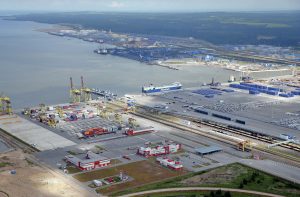
Increased merchant ammonia capacity over the next few years may lead to longer term price declines.

Ju ne saw fertilizer markets – urea markets in particular – thrown into chaos by the widening of hostilities in the Middle East. Israel’s and then the United States’ strikes on Iranian nuclear facilities and the retaliatory attacks on Israel and Qatar for a while held out the potential for the conflict to widen, perhaps even leading to attempts to close the straits of Hormuz at the entrance to the Gulf, something not seen since the ‘tanker war’ of the 1980s when Iraq tried to cripple Iran’s oil exports during the eight year Iran-Iraq War.

President Donald Trump delayed his ‘liberation day” tariffs by three months on 9th April, while simultaneously ramping up levies on China.

President Donald Trump delayed his ‘liberation day” tariffs by three months on 9th April, while simultaneously ramping up levies on China. In this latest twist to the on-off US tariffs saga, the Trump administration’s 90-day pause on additional duties should provide international suppliers to the world’s biggest fertilizer market with some respite – for now. With the exception of China, the US will now cut back its so-called ‘reciprocal tariffs’ to 10% for the duration of a three-month suspension period. The European Union’s tariff is now halved to 10%, for example, with the trade bloc also pausing its trade countermeasures against the US.
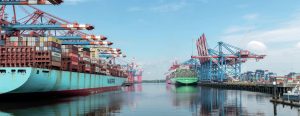
While the US tariff situation remains subject to considerable uncertainty, there has already been an impact on short term trade flows, as well as investment decisions.
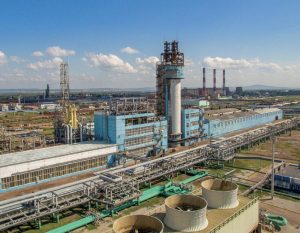
Urea markets are well supplied at present in spite of Chinese export restrictions, but face volatility due to a number of trade barriers and other non-market pressures.
The European Commission (EC) says it has begun tracking European imports of certain ethylene and ammonia products, to allow it to react quickly to level the playing field if the monitoring points to a surge of imports causing or threatening to cause injury to the EU industry. This surveillance has been put in place in response to evidence of a significant and potentially injurious increase in the EU market share of imports of the chemicals. It covers imports of copolymers of ethylene and alpha olefin, urea containing more than 45% (by weight) of nitrogen, and ammonium sulphate from all countries, and should remain in place for a period of three years.