Tag: Refinery

Glencore invests in sulphur removal

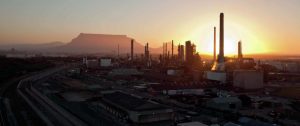
Astron Energy, a subsidiary of Glencore, says that it will spend $328 million to upgrade its South African crude oil refinery in order to comply with the country’s upcoming cleaner fuel regulations. The investment aims to bring the facility in line with South Africa’s Clean Fuels II standards, which mandate lower sulphur content in both petrol and diesel. The 100,000 bbl/d refinery near Cape Town is one of only two remaining operational refineries in the country. Astron says that construction work is already under way for a gasoline hydrotreating plant that will reduce sulphur levels to Euro 5 (<10ppm sulphur) specifications. The regulations have been delayed to July 2027 due to concerns over the cost of upgrading existing refining infrastructure. n

Hydrogen plant for Pengerang refinery

KT-Kinetics technology has signed an $125 million engineering, procurement, construction and commissioning (EPCC) contract to build a hydrogen production unit at Petronas’ Pengerang Biorefinery, Malaysia. The hydrogen plan is expected to be operational by the second half of 2028, and will supply up to 38,000 normal m3 /h of hydrogen for the production of sustainable aviation fuel (SAF) and hydrogenated vegetable oil (HVO). NextChem will license its NX ReformTM technology for the unit. The new biorefinery will process approximately 650,000 t/a of raw materials such as used vegetable oils, animal fats and waste from the processing of vegetable oils to produce sustainable aviation fuel (SAF), hydrotreated vegetable oil (HVO) and bio-naphtha.

TotalEnergies to decarbonise its refineries in Northern Europe

TotalEnergies has signed agreements with Air Liquide to develop two projects in the Netherlands for the production and delivery of some 45,000 t/a of green hydrogen produced using renewable power, generated mostly by the OranjeWind offshore wind farm, developed by TotalEnergies (50%) and RWE (50%). These projects will cut CO2 emissions from TotalEnergies’ refineries in Belgium and the Netherlands by up to 450,000 t/a and contribute to the European renewable energy targets in transport.

MOL co-produces HVO and SAF

MOL Group has produced a diesel fuel containing hydrotreated vegetable oil (HVO), and sustainable aviation fuel (SAF) at the Slovnaft refinery in Bratislava. The HVO was produced using oil from cashew nut shells and the biocomponent produced this way was processed together with crude oil. MOL has already been using co-processing at its Danube Refinery in Százhalombatta for some years, mixing plant residues, as the bio and fossil fuel components are processed simultaneously during production. The SAF at Bratislava was also produced via co-processing, using partially refined cooking oil together with more traditional raw materials.

NextChem awarded refinery SRU improvement contract

Maire Group says that its NextChem (Sustainable Technology Solutions) subsidiary has been awarded a three-year contract by Saudi Aramco Total Refining and Petrochemical (SATORP) – a joint venture between Saudi Aramco and TotalEnergies – to provide engineering and technology services related to the sulphur recovery complex of SATORP’s refinery in Jubail, Saudi Arabia. NextChem will provide process and engineering advisory services to enhance performance, support operational troubleshooting, and improve energy efficiency and the carbon footprint of the three units (sulphur recovery unit, amine regeneration unit and sour water stripper) which comprise the sulphur recovery complex. The services will also include recommendations for capital investment opportunities, design enhancements, and technology improvements.

TotalEnergies to decarbonise its refineries in Northern Europe

TotalEnergies has signed agreements with Air Liquide to develop two projects in the Netherlands for the production and delivery of some 45,000 t/a of green hydrogen produced using renewable power, generated mostly by the OranjeWind offshore wind farm, developed by TotalEnergies (50%) and RWE (50%). These projects will cut CO2 emissions from TotalEnergies’ refineries in Belgium and the Netherlands by up to 450,000 t/a and contribute to the European renewable energy targets in transport.

Optimising European SRU incinerators

The 2030 greenhouse gas emission reduction goals in the European Union are driving oil and gas producers to reduce CO2 emissions wherever possible. This extends to even the incinerator attached to a sulphur recovery unit (SRU). In this article Sulphur Experts review the role of the incinerator, how the three most common European TGUs each affect the demand on the incinerator itself, and the potential reduction in CO2 emissions for a generic facility of each type.