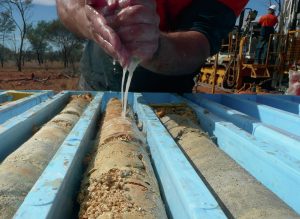
Phosphates project listing 2023
Fertilizer International presents a global round-up of phosphate rock, phosphoric acid and finished phosphates projects.


Fertilizer International presents a global round-up of phosphate rock, phosphoric acid and finished phosphates projects.
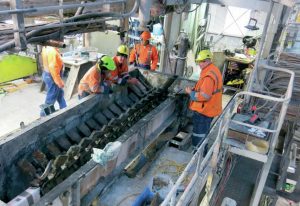
The Broadfield process has remained a mainstay of the global phosphate industry since its introduction in the 1930s. Ian Hancock, vice president sales & operations, Bradley Pulverizer, explains it continuing success in superphosphate production worldwide

CF Fertilisers UK is to permanently close its fertilizer production site at Ince in north west England with the potential loss of 238 jobs.
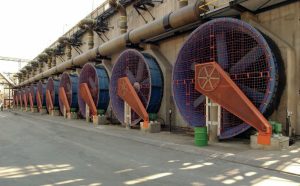
Wet process phosphoric acid plants require reliable cooling water facilities. Jan Tytgat, engineering manager, De Smet Agro, shares his insights on the design and operation of cooling water networks, pumps and towers.
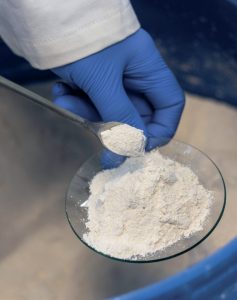
Reclaiming phosphorus from sewage sludge ash holds great potential for the fertilizer industry – by helping to reduce dependency on global supply chains, ensuring resilience and even raising quality. But successful phosphorus recovery largely depends on the process used, as EasyMining’s Anna Lundbom, Sara Stiernström and Christian Kabbe explain.

More than 300 delegates from over 130 companies and 29 countries gathered for CRU’s Phosphates 2022 conference, 7-9 March.
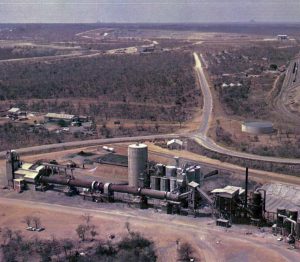
The economic conversion of phosphogypsum waste into a valuable product has been pursued for decades. Although phosphogypsum is still generally disposed of as waste, industry attitudes are changing and greater use of phosphogypsum will be expected in a circular economy.
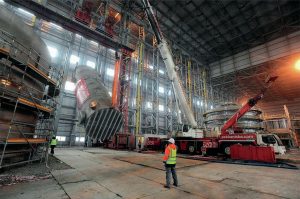
The Jordan Phosphate Mines Company (JPMC) has signed a supply agreement with Germany’s LUMA-International Company.Under the terms of the agreement, JPMC will sell 850,000 t/a of phosphate rock to the German company at international market rates. The agreement was signed by JPMC CEO Abdulwahab Rawad and managing director of LUMA-International Ralf Keller, in the presence of JPMC Chairman Muhammad Thneibat. Thneibat expressed hope that the deal would open wider scopes of cooperation between the JPMC and German companies in the field of phosphate fertilizers, and Keller likewise said that his company was looking forward to more cooperation with the JPMC and new partnerships to produce phosphoric acid and phosphate fertilizers.

EuroChem Group recently completed the purchase of the Serra do Salitre project from Yara International for $452 million. This one million tonne capacity Brazilian phosphate project is due to be completed in 2024.

Efficient size preparation and ore transport are key prerequisites for successful potash and phosphate production. We highlight the range of equipment options.