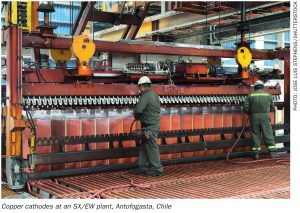
Sulphuric acid in South America
While Brazil is the largest consumer, trade in acid in South America has been dominated

While Brazil is the largest consumer, trade in acid in South America has been dominated

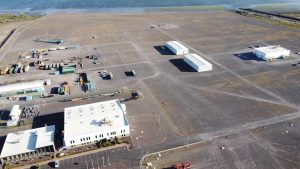
Taseko Mines’ Florence Copper project, featuring Metso’s copper solvent extraction and electrowinning (SX-EW) technology, is ramping up its commercial operations in Arizona. The successful harvesting of the first copper cathodes at the end of February 2026 is an important milestone for Taseko Mines and Metso, marking the first new greenfield copper production in the United States since 2008. The project caters to the rapidly growing copper demand while supporting the transition towards more environmentally responsible copper production in North America.

CRU’s Alexander Chreky, provides a potash market overview ahead of CRU's Phosphates+Potash Expoconference in Paris in April.
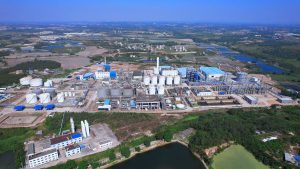
Methanol’s phenomenal growth in the early years of the century was based on its uptake into fuel uses and its ability to bridge coal reserves with plastics production in China. However, with these sectors maturing, traditional chemical end uses are becoming the main growth sector once again.
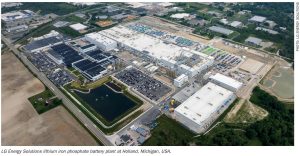
The switch towards battery technologies like lithium iron phosphate (LFP) is leading to major growth in demand for sulphur and sulphuric acid.

PT QMB New Energy Materials, a major Chinese-owned nickel smelter in Indonesia, is temporarily cutting production due to mounting waste management challenges, according to a 24 November report from local news source Sina, a move expected to temporarily impact regional sulphur demand. The facility, located in the Morowali Industrial Park, will reduce output for at least two weeks as its tailings ponds are nearing capacity while it awaits approval for a new facility. The shutdown may have implications for the sulphur market, as QMB is a major consumer.

Gas consumption is rebounding in Europe as prices stabilise at lower levels, while the LNG market continues to see large capacity additions.

We look ahead at fertilizer industry prospects for the next 12 months, and the key economic and agricultural drivers likely to shape the market.
Could demand mandates help the build the market for green fertilizers – by placing mandatory purchasing requirements on large-scale end users?
South America has become the largest importing region for nitrogen fertilizers, with Brazil overtaking India as the world’s largest urea importer. While there have been attempts to use local gas to develop a domestic nitrogen industry, these have faced challenges on a number of fronts.