
Long term carbon pricing
High energy storage costs for renewable-based technologies are likely to make European long term carbon prices considerably higher than their present levels.


High energy storage costs for renewable-based technologies are likely to make European long term carbon prices considerably higher than their present levels.
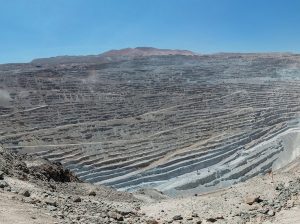
Brazilian phosphate producer Galvani says that it has begun work on its major phosphate expansion in Bahia state, including a new production plant at Ceará, in partnership with Indústrias Nucleares do Brasil (INB). The company aims to reduce Brazil’s northern and northeastern regions’ reliance on imported fertilizers. The first phase includes $133 million of investment, including $76 million for new phosphate mining at Irecê, and $38 million for Luís Eduardo Magalhães factory, also in Bahia. This expansion will take capacity from 600,000 t/a to 1.2 million t/a by 2026. The expansion at Luís Eduardo Industrial Complex includes expansion of sulphuric acid capacity from 165,000 t/a to 250,000 t/a.

TOYO explores green methanol synthesis technology and the challenges in utilising renewable energy sources and introduces its g-Methanol® technology.

Incorporating sulphur into polymers is known to improve their properties. New research is looking into the varied world of sulphur co-polymers, unlocking new materials for batteries, structural applications and clean technology.

The past year has been a difficult, even disastrous one for Europe’s fertilizer producers. High natural gas prices have kept plants shuttered, with 70% of the continent’s ammonia production shut down at times. It remains uncertain how much of this will return to production this year, or indeed ever.

Daniel R. Egger of Sulzer Chemtech Ltd discusses mist elimination challenges in strong sulphuric acid applications and presents the unique Sulzer KnitMesh XCOAT™ mist eliminator as an ideal solution for corrosive services such as in sulphuric acid drying towers.
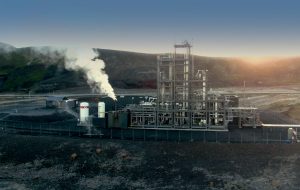
Falling costs for production of hydrogen by electrolysis are encouraging more serious consideration of using recovered carbon dioxide as a feedstock for chemicals and even fuels production.