Mosaic idles Brazilian phosphate plants in major restructure
US fertilizer giant the Mosaic Company has announced the idling and demobilisation of its Araxá Mining and ...


US fertilizer giant the Mosaic Company has announced the idling and demobilisation of its Araxá Mining and ...
ICL has launched Bioz Kellus, a new micronutrient and biostimulant product. It delivers faster nutrient uptake and improves plant resilience.
While Brazil is the largest consumer, trade in acid in South America has been dominated
CRU's Arina Syrdybayeva looks at the dynamics of the high growth ammonium sulphate market.

Mosaic has started activities to idle single super phosphate (SSP) production at its Fospar and Araxá facilities in Brazil due to the recent sharp increase in sulphur prices, the company said 16 December. The company said it has also suspended future purchases of sulphur, and it may review these decisions after 30 days. Sulphur spot prices in Brazil were assessed by CRU at $515/t c.fr at the time, representing the highest level since June 2022, and a staggering 180% increase from the figure of $182/t c.fr at the start of 2025. Prices for SSP, however, have been relatively stable, with only slight increases in recent weeks. CRU's assessment for 18-20% SSP was at $200-245/t c.fr Brazil in December, up from $190-240/t in November, though it remains below the $230-265/t of June.
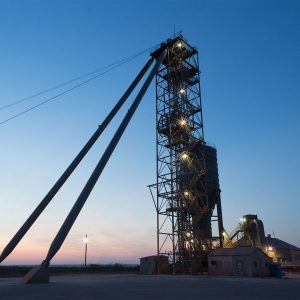
The Mosaic Company has sold its Mosaic Potash Carlsbad business in New Mexico to newly-formed company International Minerals Carlsbad for $30 million.
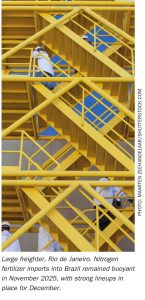
Fertilizer sales to Brazilian farmers are currently in line with the average of the past three years, despite variations by crop and state. CRU’s Anthony Rizzo and Bruno Fardim Christo of Veeries provide an update on the status of fertilizers and crops in the Brazilian market.

If decarbonising coffee starts with fertilizer, why don’t they feature more in conversations about sustainable coffee? In this article, Erna Maciulis of Proba outlines practical interventions that address fertilizer emissions from coffee growing. These can unlock significant progress towards Scope 3 emissions reductions – and be easily adopted without disrupting existing farm practices.
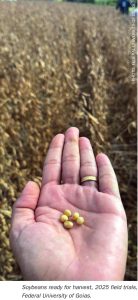
Mark Howell , Head of Agronomy & Product Development at Sulvaris, provides new insights on sulphur nutrition in soybean-maize systems.
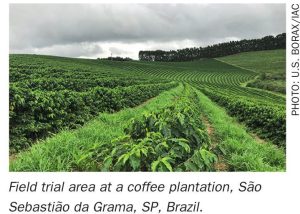
Boron fertilization can improve coffee crop quality and yield. Fabiano Silvestrin of U.S. Borax reviews the evidence.