Magazine: 423 Mar-Apr 2026

Canadian government underwrites phosphate feasibility study

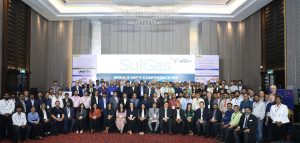
First Phosphate Corp. says that it has finalised an agreement for a C$16.7 million non-repayable contribution from the Government of Canada via Natural Resources Canada’s Global Partnerships Initiative. The company says that the funding will accelerate the development of its phosphate project in Bégin-Lamarche by developing the technical and engineering parameters – including processing circuits and equipment – needed to validate the ability to produce a phosphate concentrate that meets the quality requirements of the lithium iron phosphate (LFP) battery market. The work will be conducted based on parameters established under the contract between First Phosphate and its definitive offtaker.
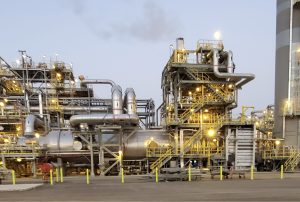
Sulphur plant tail gas incineration options

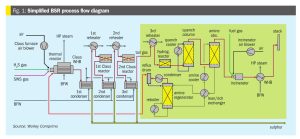
Sulphur recovery units in petroleum refineries and natural gas processing plants utilise incineration as a final treatment step for tail gas, ensuring that residual sulphur compounds are converted to less harmful emissions. Elmo Nasato of Nasato Consulting Ltd compares the two sulphur plant incinerator options – thermal incineration and catalytic incineration – including key considerations for policymakers, businesses, and environmental advocates.

The secrets of successful sulphur strategies

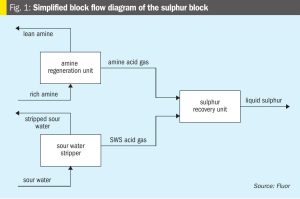
Efficient sulphur recovery is essential for modern refineries to meet stringent environmental regulations and support sustainability goals. Fluor examines the key design considerations, smart design strategies and flexible sulphur block configurations that are essential in achieving an overall optimised design. Together, these strategies enhance efficiency, reduce emissions, improve reliability, and provide flexibility for changing crude qualities, ensuring compliant and economically robust refinery operations.