
Overcapacity in the battery industry
China’s drive to build new battery production capacity for electric vehicles and stationary storage is leading to a familiar problem for the Chinese economy; overcapacity.

China’s drive to build new battery production capacity for electric vehicles and stationary storage is leading to a familiar problem for the Chinese economy; overcapacity.

Biostimulants are emerging as mainstream products with major fertilizer producers – including Yara, Mosaic, Fertiberia and ICL – launching their own biostimulant lines and expanding production capabilities. Smaller innovative companies, meanwhile, such as Azotic and Fyteko, remain the mainstays of the sector and are continuing to being new products to market. Other players such as Den Nouden/GrowSolutions are targeting the expansion of organic fertilizers.

Pyrite roasting as a source of sulphuric acid continues to be a significant, albeit minor sector of the overall acid market.

This case study reports on the successful collaboration of two experienced partner companies to replace the problematic upper part of a co-current flow quench tower in a spent acid plant and shows the benefits of using resistant, pre-lined workshop fabricated equipment.

New regulatory developments in Europe are focusing attention on eliminating microplastic residues in soils by adopting biodegradable fertilizer coatings. Major technology licensors and engineering companies are also developing new coating technologies for controlled-release fertilizers (CRFs).
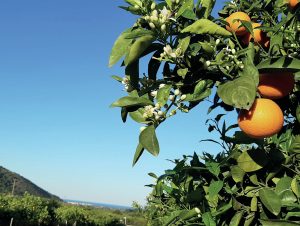
A proper fertilization programme is necessary to sustain both citrus productivity and soil fertility over the longer term. ICL agronomists Fabio Vale, William Wang, Patricia Imas and Francisco Morell outline the nutrient needs of citrus fruit – a regionally important crop in the Americas, Europe and China.
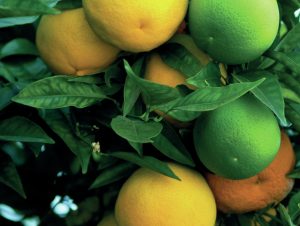
Citrus fruit growers are an attractive end-market for fertilizer suppliers due to the high K and N requirement of this widely-cultivated cash crop and the efficacy of fertigation and foliar spraying. We examine the nutrient needs of citrus trees and how balanced application of fertilizers helps maximise citrus fruit quality and yield.
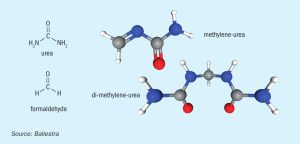
Ballestra is taking a new approach to improving nutrient use efficiency by moving methylene-urea production to the fertilizer industry. Massimo Gori and Svet Valkov of Ballestra discuss the technology and benefits of having a slow-release fertilizer that uses a product from within the fertilizer industry.
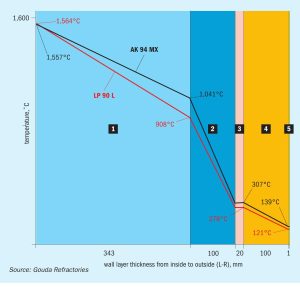
Gouda Refractories continues to upgrade its refractory solutions for the sulphur recovery industry as well as developing new superior products for installations operating at higher temperatures due to oxygen enrichment.
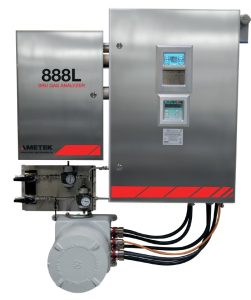
As plants move towards full unit control, Jochen Geiger of Ametek Process Instruments provides an overview of how the latest sulphur plant analysers are providing greater insight into sulphur plant operations.