
Trading in a time of seismic supply shocks
Ilya Motorygin of GG Trading says fertilizer trading is performing an essential function currently – in a market disrupted by supply earthquakes.


Ilya Motorygin of GG Trading says fertilizer trading is performing an essential function currently – in a market disrupted by supply earthquakes.
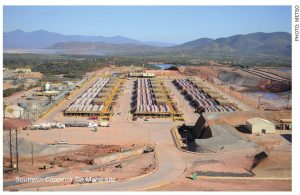
Metso has signed a major agreement with Southern Peru Copper Corporation, one of the largest copper producers in the world, for the supply of copper solvent extraction and electrowinning (SX/EW) technology to the company’s Tia Maria project in Cocachacra, Peru. The new plant will produce 120,000 tons of high-purity copper cathodes per year.

After a first day focused on the exhibition and technical showcases, the main conference programme at the CRU Phosphates+Potash Expoconference ...
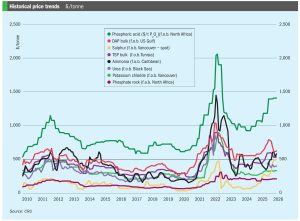
Price trends and market outlook, 26th February 2026. (Important note: this Market Insight was published two days before the start of the latest Middle East conflict.)

CRU’s Alexander Chreky, provides a potash market overview ahead of CRU's Phosphates+Potash Expoconference in Paris in April.
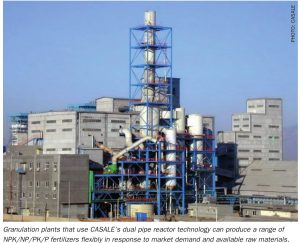
Cover story! CASALE's Gabriele Marcon outlines how integrated fertilizer production can support global food security.
CRU's Arina Syrdybayeva looks at the dynamics of the high growth ammonium sulphate market.
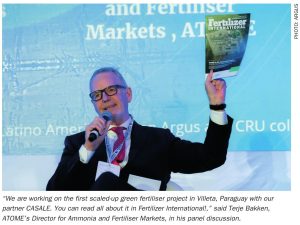
Selected highlights from this year's three-day conference.
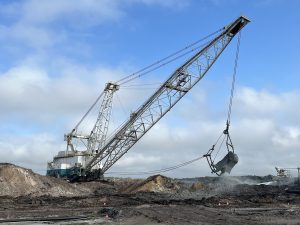
Transformational beneficiation improvements are presented in this case study by Keenan Collins, Jayden Ladebruk and Edward DeRose of Hatch.
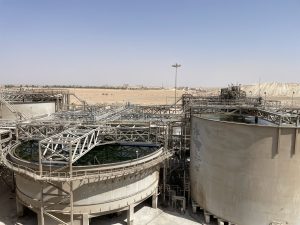
Avoiding solids settling and sludge formation during MGA transport is vital, say Jan Tytgat , Process Engineering Manager, De Smet Agro.