Decarbonisation

1 September 2026
Topsoe technology chosen for green methanol project
Topsoe has signed a contract with international energy company Uniper, to deliver front end engineering and design (FEED) for the company’s NorthStarH2 green methanol project in Östersund, Northern Sweden. The design will be based on Topsoe’s ModuLite™ e-methanol technology, including gas compression. This technology offers a prefabricated modular design, accelerating the commissioning and construction process, and ensuring rapid deployment, while the company says that its dynamic synthesis loop enables reliable operations as renewable power fluctuates.
Once fully operational, the facility is expected to produce around 115,000 t/a of green methanol, contributing to the decarbonisation of energy-intensive industries such as shipping. A final investment decision (FID) is expected in 2028.
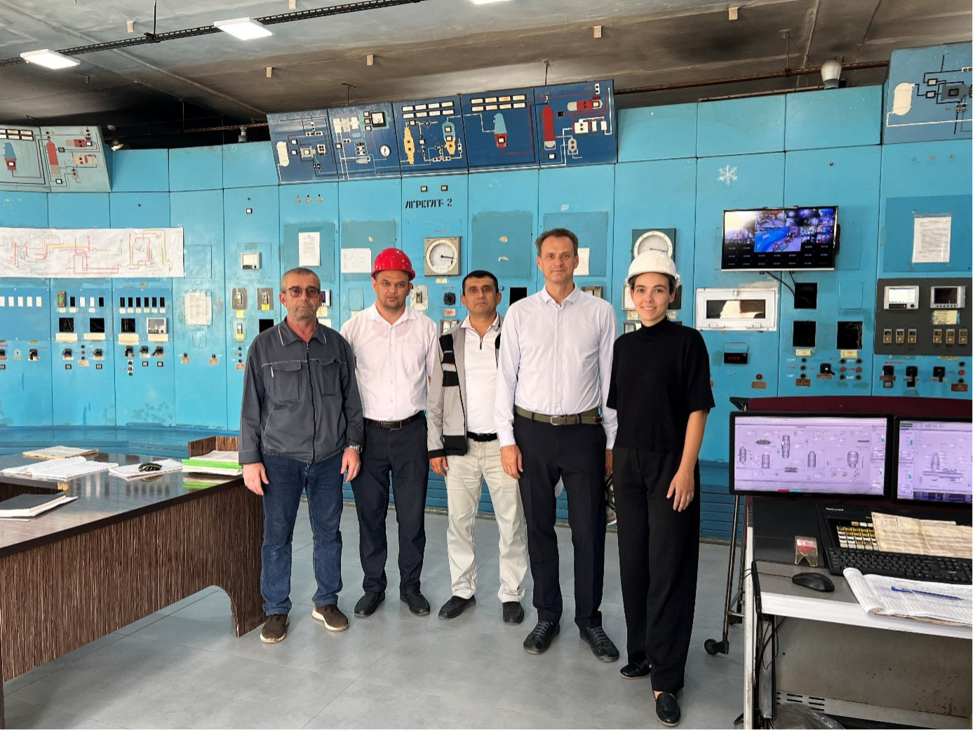
Yassir Ghiyati, Chief Commercial Officer at Topsoe, said: “The Nordic region is emerging as one of Europe’s most ambitious markets for clean fuels, and Uniper’s NorthStarH2 project is an important part of that momentum. We are proud to contribute our e-methanol technology and engineering expertise to a project that can help accelerate decarbonization in critical sectors such as shipping and chemicals. We look forward to continuing our partnership with Uniper as NorthStarH2 moves toward the next stage of development.”
Broghan Helgeson, NorthStarH2’s project manager at Uniper, said: “NorthStarH2 is an important project in Uniper’s energy transition portfolio. With the contracts with Topsoe and the other key suppliers in place, we can now develop the plant design in much greater detail and define how NorthStarH2 will be built. We look forward to continuing our successful collaboration and finish the FEED phase together.”
Uniper’s NorthStarH2 project will produce e-methanol by combining renewable hydrogen with biogenic CO₂ captured from biomass combustion, aiming to decarbonize the shipping and chemical industries. The project’s access to established infrastructure, road and rail connections enables the methanol to be transported across Sweden and into wider European markets for use in the transportation and chemicals industries.