Fertilizer International 531 Mar-Apr 2026
20 March 2026
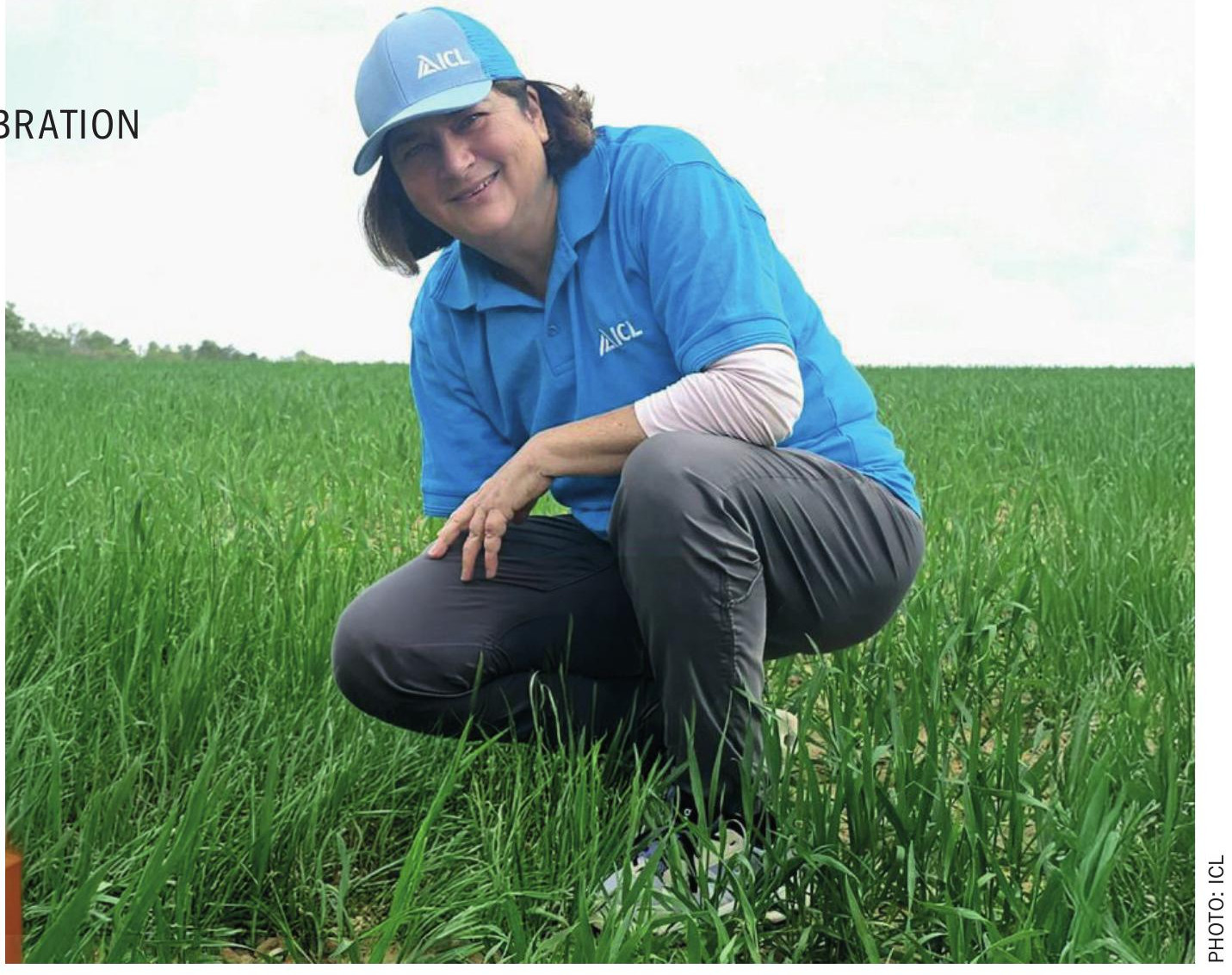
Dr Patricia Imas – tribute to a valued contributor
Written by Simon inglethorpe
PATRICIA IMAS – A CAREER CELEBRATION
Dr Patricia Imas – tribute to a valued contributor
ICL announced the passing of Dr Patricia Imas, the company’s renowned Chief Agronomist, on 17 December 2025. Dr Imas was well known to our readers as a frequent magazine contributor for more than a decade. In this article, Simon Inglethorpe, editor, Fertilizer International, celebrates her life and career by looking back at a selection of her authoritative and insightful articles.
Polyhalite is a natural multi-nutrient fertilizer. Uniquely, it provides crops with a valuable source of sulphur, magnesium, potassium and calcium.
Introducing a new multi-nutrient fertilizer
When I was appointed editor of Fertilizer International in 2015, Dr Patricia Imas was one of the first people to contact me proposing a magazine contribution. The resulting article, published over the summer of that year, introduced our readers to a novel multi-nutrient fertilizer: polyhalite.
ICL was introducing this naturally-occurring crop nutrient product to the market under the trademark Polysulphate. Patricia was very good at demystifying polyhalite – which was then almost unknown – and explaining its range of applications and agronomic benefits.
Here’s what she wrote (Fertilizer International 468, p36):
“Polysulphate is a natural, multi-nutrient fertilizer sourced from the mineral polyhalite. Its unique combination of four nutrients, sulphur, magnesium, potassium and calcium, makes it a particularly unusual product. Importantly, Polysulphate’s solubility means that all these nutrients are readily available for plant uptake.
“The new product is mined by ICL subsidiary, Cleveland Potash, at its North Yorkshire Boulby mine in the UK. Polyhalite formed 260 million years ago and is extracted below the North Sea at a depth of more than 1,000 metres from a layer 150-170 metres beneath the Boulby mine’s main potash seam. The first poly-halite samples were brought to the surface by Cleveland Potash in September 2010.
“Polysulphate can be applied to soils as a straight or blended fertilizer, according to customer requirements, and is also suitable for the manufacture of compound fertilizers. The 2-4 mm granular product has excellent spreading characteristics and is an ideal fertilizer for applying alongside straight nitrogen.
“Being a low-chloride fertilizer, Polysulphate can be applied on all crops and is even suitable for the most chloride sensitive varieties. It is produced in its naturally-occurring state, without processing, and is therefore a low environmental impact product with a small carbon footprint. It is also certified for organic use.
“Polysulphate is suitable as a natural source of nutrients for all crops, especially brassicas, cereals, pulses, field vegetables, clover-rich grassland leys and silage crops. It is particularly well-suited to crops, such as tobacco, grapes and other fruit, which prefer low levels of chloride in the soil, and for potatoes where higher dry-matters are desired.”
In this, our first ever article on Polysulphate, favourable crop trial results were presented for winter wheat, potatoes, cauliflower, cabbage and mustard seed. Agronomic benefits for cereals, oilseeds, brassica and forage crops were also described.
The article illustrated Patricia’s gift for communication by showing what she did best: making scientific information accessible by writing about crops and crop nutrients with lucidity, authority and enthusiasm.
Carbon footprint and nitrogen use efficiency
The value of polyhalite as a crop input was a subject Patricia would return to frequently in a number of articles over the next 10 years. This included an overview called ‘The agronomic advantages of Polysulphate’ (Fertilizer International 503, p53).
This was effectively a mini-monograph – summarising ICL’s agronomic evidence base for polyhalite as of 2021 – and brought out some of the product’s key characteristics, such as its low carbon footprint, as well as its affect on nitrogen use efficiency:
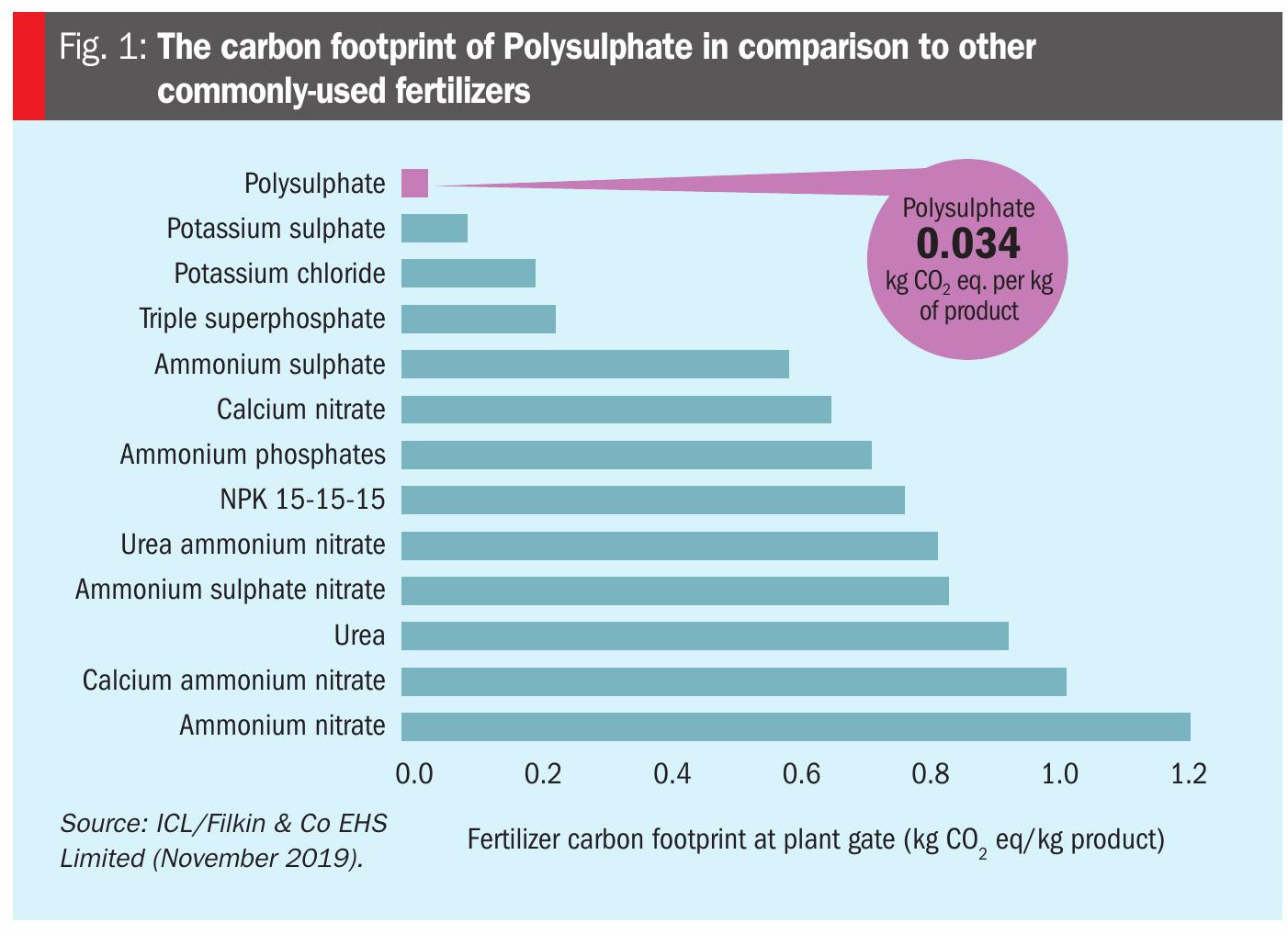
“Polysulphate has the lowest carbon footprint (0.034 kg CO2 e per kg of product) when compared to common fertilizer alternatives, according to the results of a new study (Figure 1). Its production footprint is less than three percent of that of ammonium nitrate, for example. Its low carbon footprint is making Polysulphate the fertilizer of choice for those farmers wishing to manage their carbon usage and lower greenhouse gas emissions.”
Its nitrogen-free composition can also be advantageous:
“By allowing farmers to separate S and K application from N application, this provides full flexibility with the choice of nitrogen source and application rate. Polysulphate can be applied before planting, for example, while nitrogen can be applied after germination – at the right time for the crop, in the right form, and in right weather conditions.
“This approach avoids the over-application of nitrogen and/or leaching. Higher nitrogen use efficiency can therefore be achieved without wastage and unnecessary cost to the farmer, or losses to the environment.”
The ability to supply sulphur – separately from nitrogen – also has quality advantages for wheat used in bakery products:
“At the same time, Polysulphate can benefit wheat cultivation by delivering better grain protein quality and improving baking quality characteristics. In US wheat trials, the application of Polysulphate reduced the N:S ratio in harvested wheat grains. This helps improve baking quality by optimising dough and bread-making properties. Additionally, lowering this ratio avoids the unwanted asparagine and glutamine accumulations that can result from an S deficiency or an N surplus.”
Potatoes and Polysulphate – the perfect match
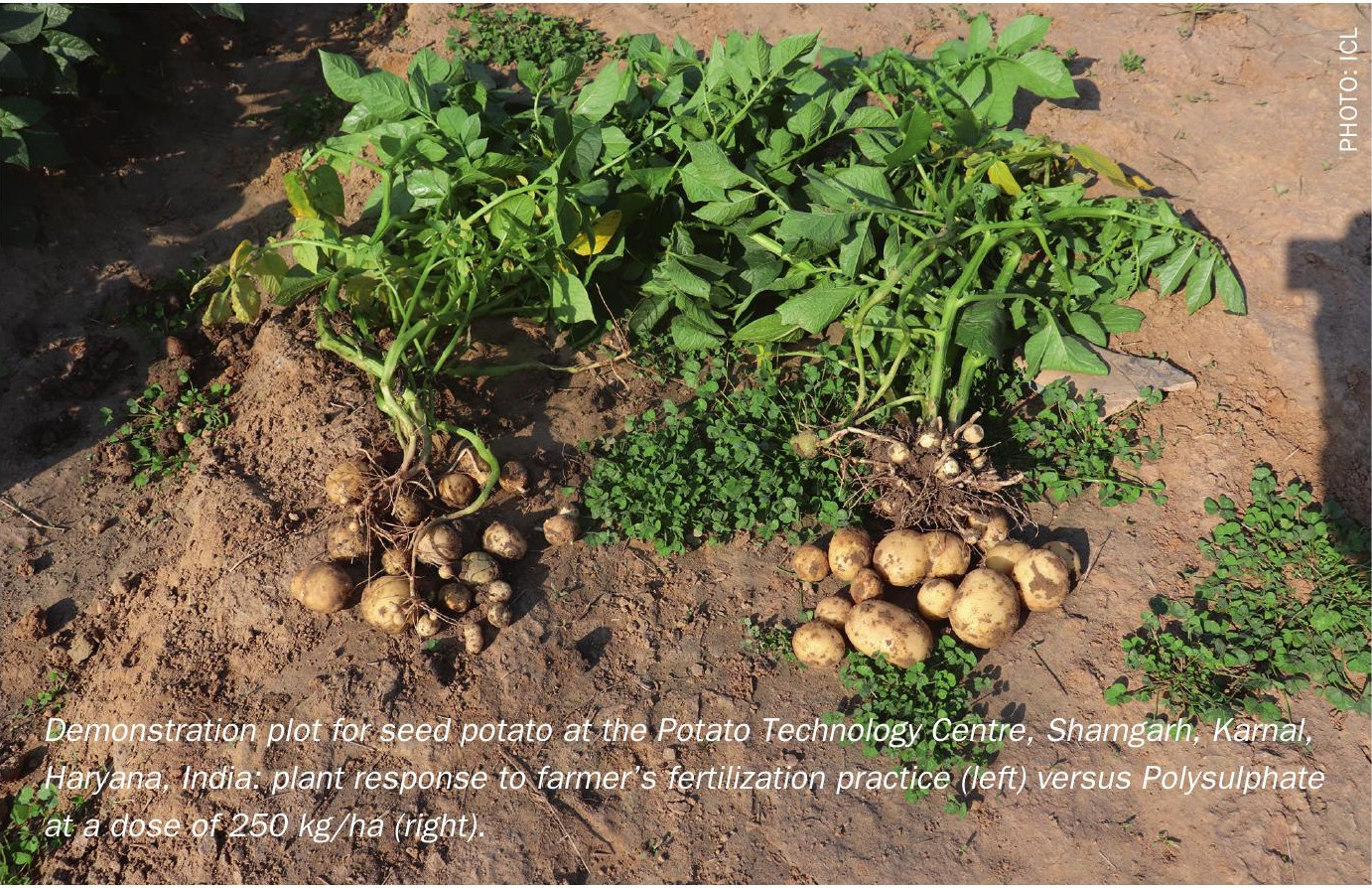
Another 2021 article from Dr Imas highlighted the characteristics that made Polysulphate especially suitable for potato crops (Fertilizer International 505, p45). She wrote:
“In general, the application of Polysulphate to potato crops will result in:
• Higher yields
• Good skin finish
• Improved dry matter
• Increased starch content.
“Polysulphate application rate of 400- 700 kg/ha is generally suitable for potato and other vegetable crops. Straight Polysulphate can be incorporated into the seed bed before planting or instead applied as a constituent of a fertilizer blend at planting.
“It provides an adequate and balanced supply of four essential nutrients (S, K, Mg and Ca) in one single application. Polysulphate, when incorporated pre-plant or at planting, delivers a natural and sustained release of all four nutrients which closely corresponds to the demand for these from potato plants.”
Polysulphate can also deliver quality as well as yield improvements:
“Quality in potato is more critical than with many other crops, as it holds the key to securing the best economic returns. In particular, an adequate supply of K, S, Mg and Ca is needed to ensure quality is delivered – whether that is the desired size, uniformity, colour or shelf life of potatoes. Calcium is particularly crucial for skin quality. Nutritional disorders such as internal brown spot and hollow heart in potatoes, for example, are all caused by low Ca supply to the tubers.
“This article illustrates how Polysulphate, as a fertilization option, is becoming key to high quality, sustainable potato farming around the world,” Patricia concluded. “In general, its application to potato crops will result in higher yields, good skin finish, improved dry matter and increased nitrogen use efficiency.”
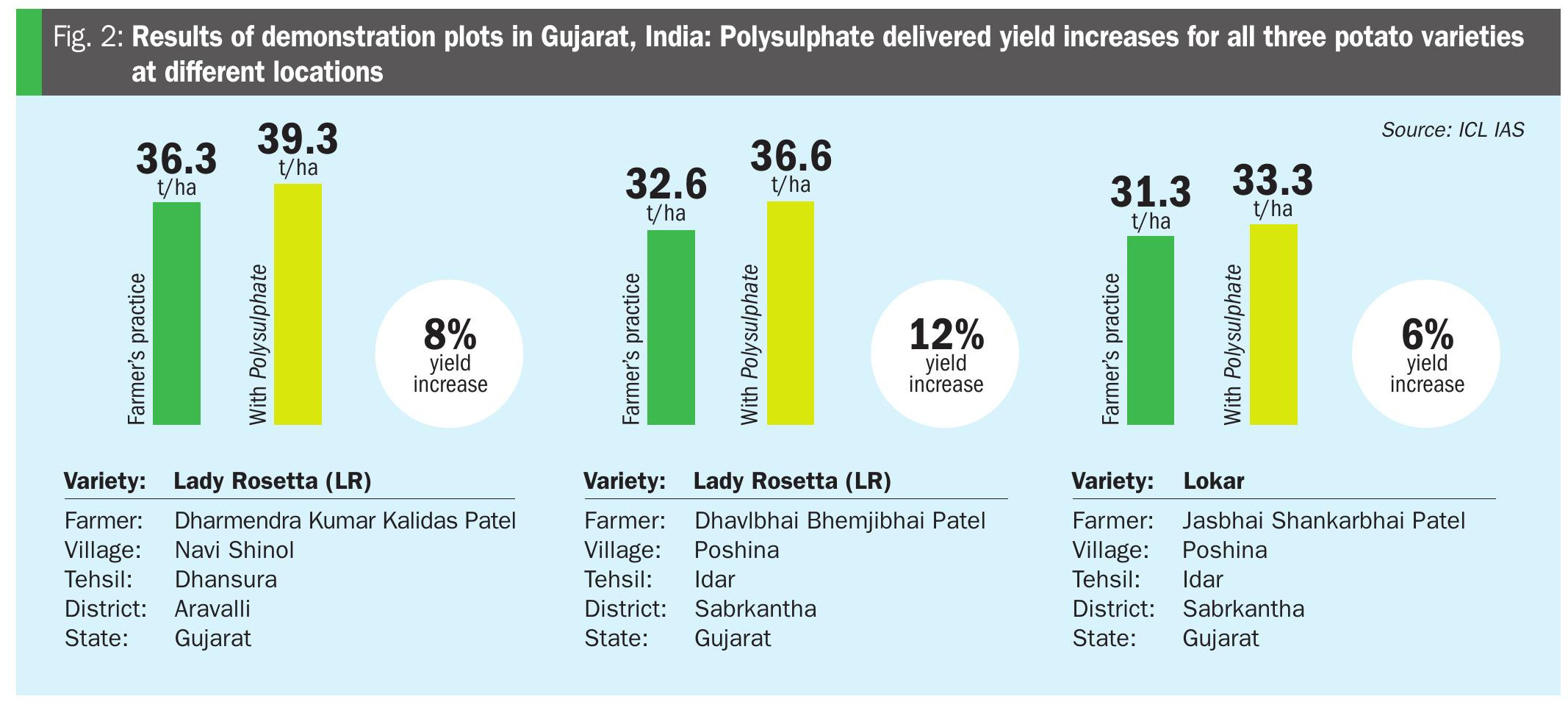
Indeed, potato trials in Gujarat, India, demonstrated that incorporating polyhalite in fertilization programmes could deliver yield increases of 6-12% versus standard farmer practice (Figure 2).
Nutrient needs of nuts
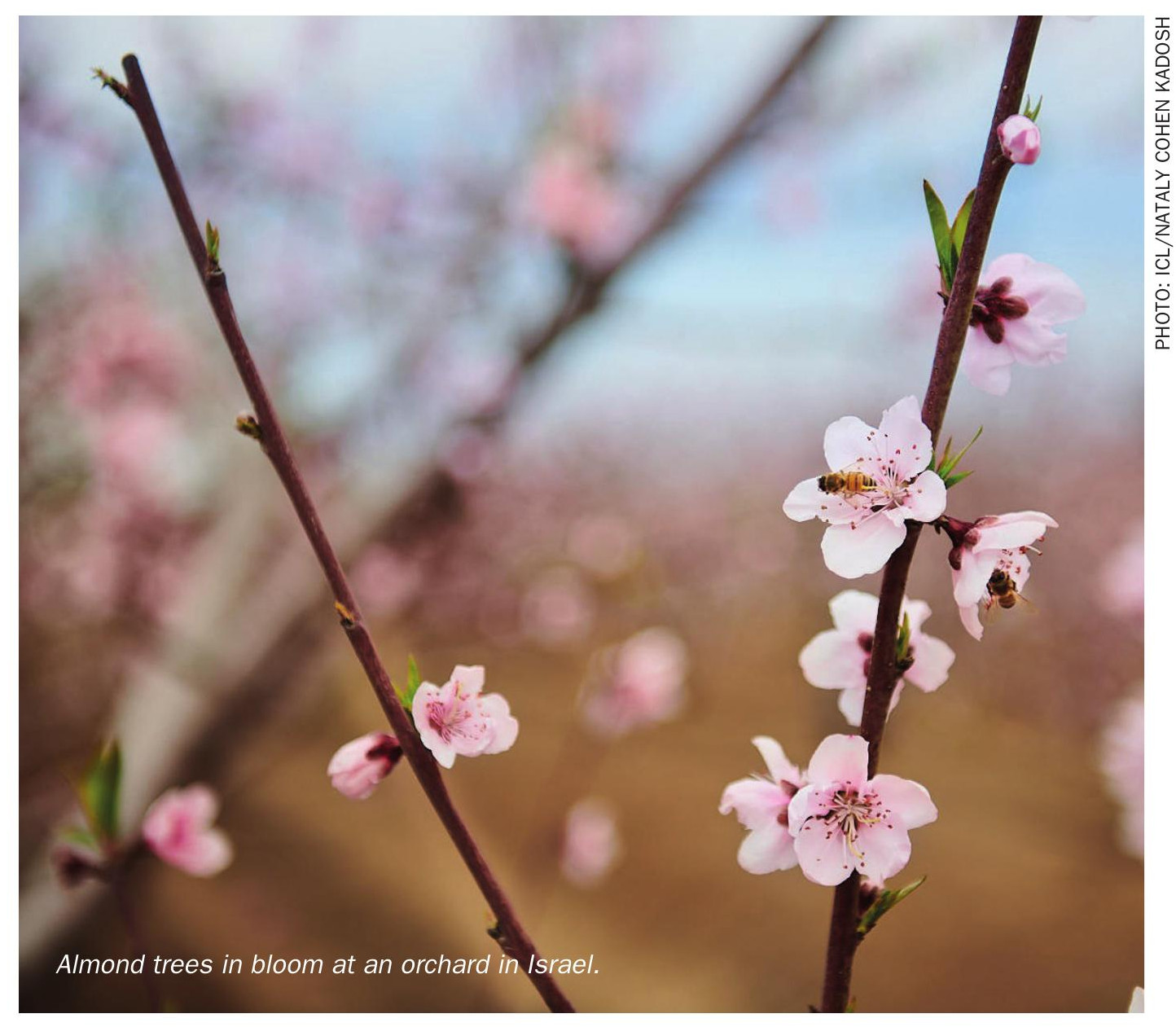
Tree nuts – which include almonds, walnuts, cashew, pistachio, hazelnuts, pecans, macadamia, pine nuts and Brazil nuts – are an important dietary source of unsaturated fatty acids, vitamins and minerals. Orchards require balanced fertilization to promote healthy root growth, maintain tree vigour, and achieve yield targets in response to growing market demand.
With typical thoroughness, Patricia and ICL agronomist colleagues Cristian Filote and Gali Carmi reviewed the nutrient needs of tree nuts for Fertilizer International in a 2023 article (Fertilizer International 515, p28). The efficacy of water-soluble fertilizers (WSFs), controlled-release fertilizers (CRFs) and polyhalite were highlighted:
“The perfect fertilization plan is always based on fertigation with water-soluble fertilizers, as this precisely supplies nutrients to nut trees according to both the age of the plantation and the tree’s phenological stage.
“ICL’s Novacid range is made from highly pure ingredients and all the micronutrients present are chelated. These products are perfect for growers needing to deal with high alkalinity in their irrigation water. Their acidic nature means that all the nutrients dissolve efficiently, even in hard water, and the drip lines are kept free of limescale build-up.
“Previously, research trials have proven the effectiveness of foliar feeding in the fertilization of almonds and other nuts. ICL’s innovative foliar technologies, such as Nutrivant and Agroleaf, are particularly well suited to tree nuts.”
ICL’s CRF portfolio is also suitable for tree nuts:
“The Agroblen CRF range is ideal for establishing nut plantations. These fully coated NPK granules deliver crop nutrients over a period of 8-9 months or 12-14 months, depending on the region where the plantations are being established.
“ICL also offers Agromaster – a CRF product line that combines both coated and uncoated NPKs – for young and fruit-bearing plantations. These powerful fertilizers partly deliver nutrients in an uncoated form for immediate take-up by plants to stimulate intensive growth. At the same time, they also provide NPKs in coated form. This prevents nutrient losses via run-off, leaching from light soils and/or losses under heavy rainfall conditions.”
Polysulphate also supplies nutrients in a balanced way that nurtures nut trees and maintains soil fertility:
“Research shows that nutrients (S, K, Mg and Ca) are gradually made available to the crop over time due to Polysulphate’s mineral composition. The product’s gradual and prolonged nutrient release profile maximises nut yields by promoting healthy tree growth and development.
“Polysulphate also provides a low-chloride source of potassium, as well as being a reliable source of sulphur. Trials conducted on Californian almond trees in the US have demonstrated that applying Polysulphate can deliver a 5-11 percent increase in kernel yield in comparison to growers’ standard practice.”
High yielding and sustainable citrus production
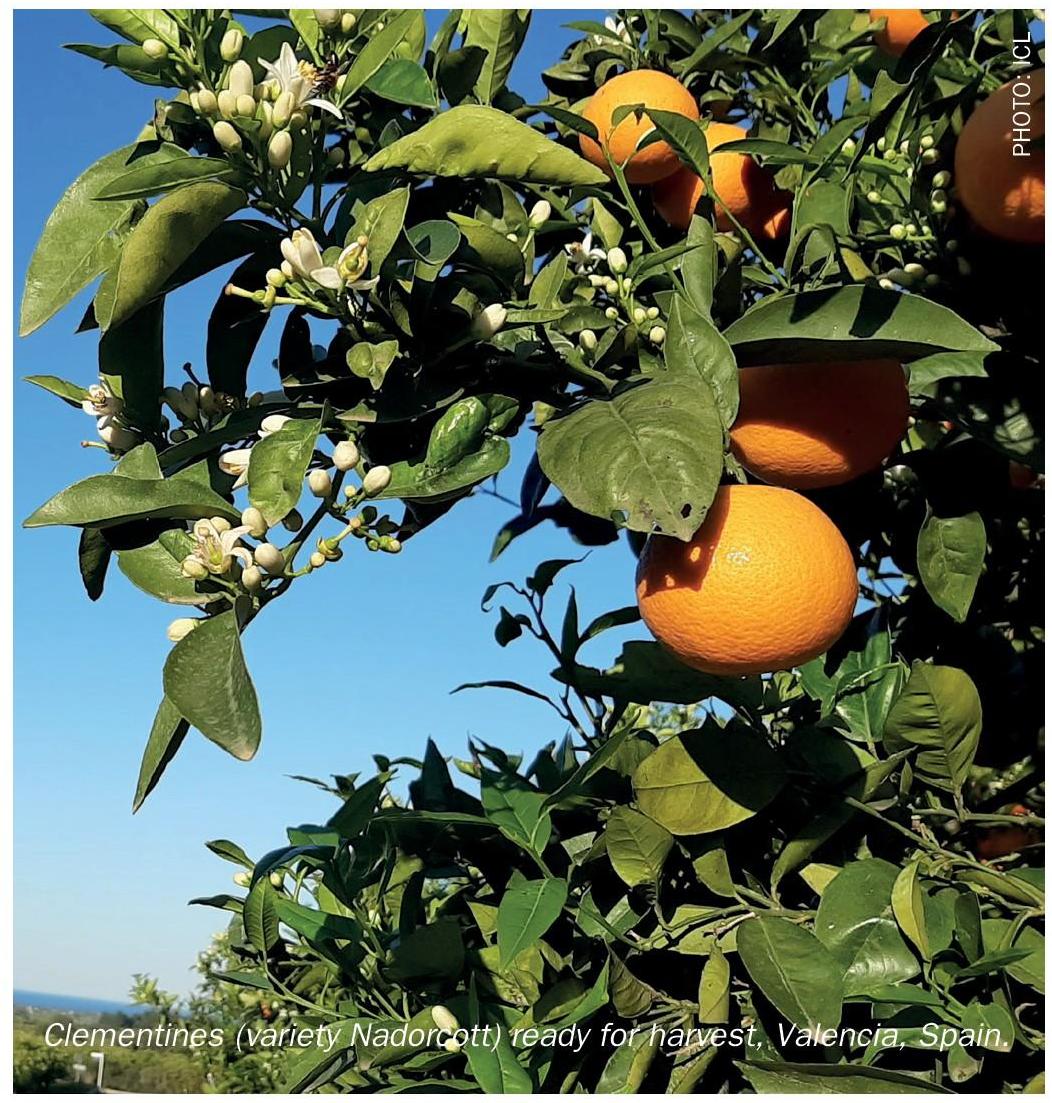
In another notable agronomic review, Dr Imas and ICL agronomists Fabio Vale, William Wang and Francisco Morell outlined the nutrient requirements of citrus fruit – a regionally important crop in the Americas, Europe and China (Fertilizer International 517, p26).
The article explained how a proper fertilization programme is necessary to sustain both citrus productivity and soil fertility over the longer term. For example, in rainfed systems:
“Fertilizers are applied to the soil surface with two-thirds applied under the canopy and one-third outside. The total fertilizer supply is usually split between five or six applications across the growing season. The use of controlled-release fertilizers (CRFs), such as ICL’s Agromaster product, is advantageous, as this allows the number of applications to be reduced while, by avoiding ‘plant hunger’, improving yields as well as nutrient use efficiency (NUE) in most cases.
“Citrus fertilization programmes can also include ICL’s Polysulphate fertilizer, either applied together in combination with Agromaster or as a separate application. This multi-nutrient (K, Mg, Ca, and S) polyhalite product continues to fertilize citrus plants following rainfall events, as its special solubility pattern prolongs nutrient availability.”
While in irrigated systems:
“Crop fertilization is performed via fertigation. ICL’s Agrolution family of water-soluble fertilizers (WSFs) are ideal for the fertigation of citrus trees. These products, as well as components such as PeKacid, provide a range of formulations with different nutrient balances for each development stage of the crop.
“A fertilization programme that combines fertigation (e.g., Agrolution) with soil application (e.g., Agromaster and Polysulphate) can be suitable for citrus growing in areas with meaningful spring rainfall (>200-300 mm). Fertigation can avoid periods of plant nutrient hunger, while the application of Polysulphate ensures the supply of secondary macronutrients to the crop during wet periods.
“Polyhalite (Polysulphate) has been shown to improve the productivity and nutrients status of citrus trees across trial results from different regions. For example, improvements to the yield of sweet oranges (fruit counts and size) and plant nutrient status were observed in Polysulphate trials in Brazil. Combining the use of Polysulphate, at an application rate of 400 kg/ha, with potassium chloride increased orange yields by 30 percent, versus the control in which potassium chloride was applied alone as the sole potassium source.”
These observations are backed by global trial results:
“ICL experiments with Polysulphate in China have also shown increased grapefruit yield and quality. The application of Polysulphate also reduced N, P and K inputs by 44 percent, 38 percent and 17 percent, respectively, versus standard NPK practice. This lowered fertilizer costs by 11 percent while raising the income of growers by seven percent, compared to conventional NPK fertilization.
“Citrus trials with the CRF product Agromaster have also demonstrated proven benefits. When applied in mandarin plantations at a rate of 4 kg/tree, Agromaster (18-10- 18) delivered a yield increase of 23 percent and – by improving fruit size – raised the percentage of commercial fruit, versus growers practice that applied conventional fertilizers at similar rates.”
Suitable products are also available for new plantations and foliar feeding:
“When starting a new plantation, the CRF Agroblen can be added to the planting hole (50-100 grams per tree) during transplanting operations – in either rainfed or irrigated production systems. Agroblen, by fulfilling nutrients needs throughout the first year, helps young plants to become well-established, thereby reducing the numbers that will require replanting.
“A full foliar nutrition programme for citrus plantations can be designed using ICL’s Agroleaf and Nutrivant product ranges, as these offer a wide range of formulations for each development stage. Agroleaf Power improves the assimilation of nutrients by the plant – thanks to its DPI and M-77 growth enhancer technologies. Nutrivant Booster, meanwhile, comes in macro- and micro-nutrient formulations designed for citrus crops.”
PuraLoop – a circular solution that delivers for crops
Last summer, in what – extremely sadly – proved to be her final article for Fertilizer International, Dr Imas and colleague Lucas van der Saag introduced PuraLoop – a new phosphate fertilizer from ICL created from recycled phosphorus. This innovative product ‘closes the loop’ by transforming previously discarded waste into a valuable agricultural resource. The article highlighted its environmental, economic and agronomic benefits (Fertilizer International 526, p54):
“Interest in the recovery and reuse of phosphorus – as a more sustainable alternative to primary phosphate rock mining – has grown in recent years, particularly in Europe. This is being driven by several factors:
• Currently, the EU has access to one phosphate resource only – Yara’s Siilinjarvi phosphate mine in Finland – and consequently the region is import-reliant for phosphate rock.
• The EU also added phosphorus to its critical minerals list in 2023 to highlight its strategic importance and the need for supply security.
• The gradual introduction of cadmium limits under the EU’s Fertilising Products Regulation (FPR), which entered into force in 2022, also excludes phosphate rock imports from certain countries.”
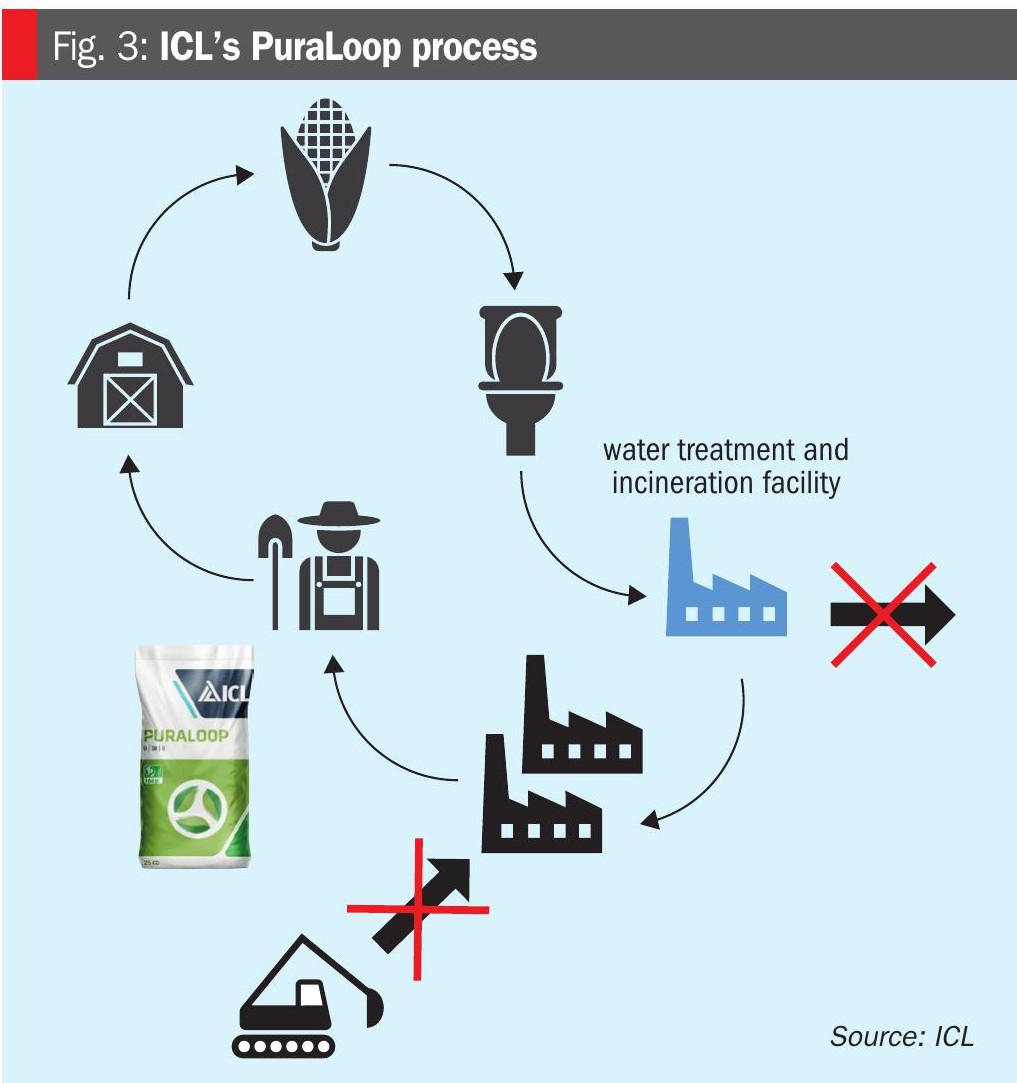
In response, ICL has developed an innovative process known as PuraLoop to transform sewage sludge ash (SSA) into an efficient phosphate fertilizer and effective crop nutrient source. By recovering and reusing phosphorus on a commercial scale (Figure 3), ICL’s PuraLoop process benefits Europe in several ways, as the authors explained in the article:
“One is that we can turn waste into a product of agronomic and economic value. We can also reduce our dependency for critical raw materials on outside sources and, finally, we can have a leadership role in environmental and technological innovations for food and fertilizer production.
“In the PuraLoop process, SSA is firstly mixed with sulphuric acid or phosphoric acid in an acidulation step. The run-of-pile (ROP) material is then granulated to produce the fertilizer end-product. In 2023, test runs with this SSA-based process met all the necessary EU regulatory requirements to produce single superphosphate (SSP) and triple superphosphate (TSP). This included legal stipulations such as the FPR D1 conformity audit and full REACH registration.
“The advantages of using SSA as a fertilizer production raw material is that it eliminates odour (compared to the processing of phosphate rock) and is essentially cadmium- and fluorine-free. Agronomic trials have also shown very good results.”
The article outlined plans for ramping up production and expanding the product range:
“A full-scale industrial PuraLoop installation is now up and running at ICL’s Amfert production site at the port of Amsterdam. This is capable of producing two products – the phosphate fertilizer PuraLoop 0-38-0and NPK fertilizer PuraLoop 5-5-22.
“Around 1,000 tonnes of PuraLoop 0-38-0 – known as PuraLoop 38 – was manufactured during successful production runs at the end of 2023. Production of PuraLoop 38 was 6,000 tonnes in 2024 and is expected to reach 15,000 tonnes in 2025. Looking ahead, ICL is also planning to expand the PuraLoop product range by introducing SSA-based PK products.”
A lasting legacy
As these selected excerpts show, Patricia’s contribution to agronomy over a lengthy career was wide ranging and deep. It’s fitting to end with a few words from someone who knew Dr Imas well – her close colleague of 30 years, Hillel Magen, former VP Agronomy, ICL Fertilizers, and Director, International Potash Institute:
“Patricia had an incredible ability to take science and convert to practical applicable message. Her agronomic recommendations were clear and practical while at the same time were carefully aligned to the scientific principals.
“Her untimely passing leaves us, her many colleagues and friends around the world with deep sorrow and grief.
“Rest in peace dear Patricia. You have contributed to so many people on this earth.”