Nitrogen+Syngas 400 Mar-Apr 2026
19 March 2026
Incident No. 8 - Pressure instrument related failure at a urea plant
Diaphragm seals are applied when pressure or level transmitters need to be protected against harsh conditions like the corrosive ammonium carbamate in urea plants. The process pressure is transmitted via the flexible diaphragm and transmission fluid to the measuring instrument as shown in Fig. 1.
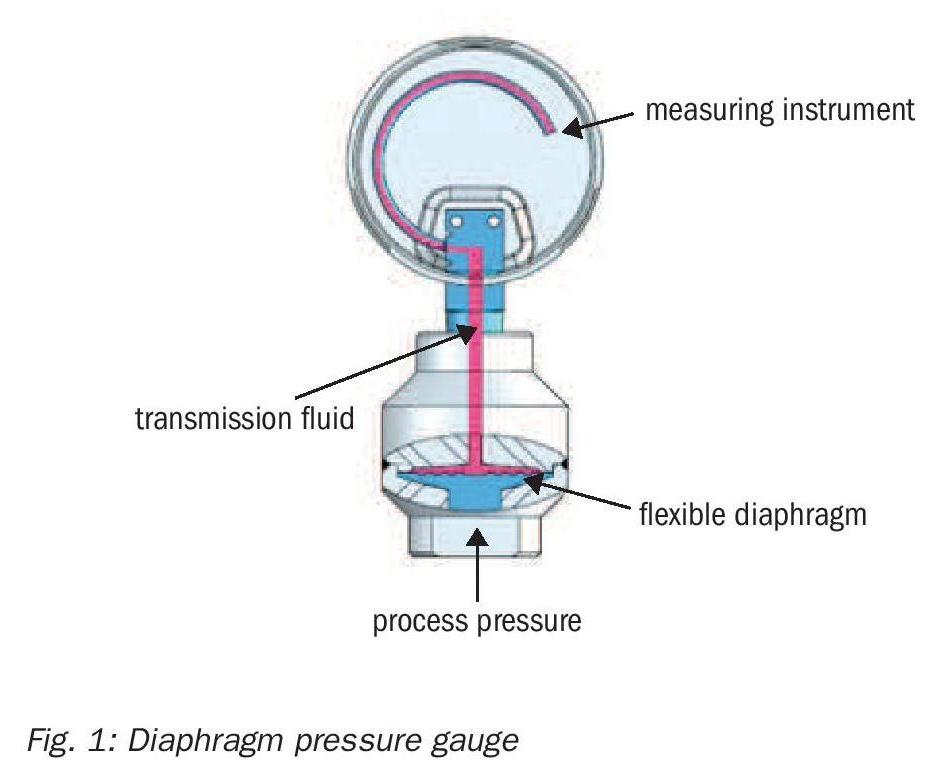
In urea plants it is best practice to apply extended seals for the pressure and level diaphragm instruments. This reduces the risks of condensation and crystallisation in the dead end part of the nozzle.
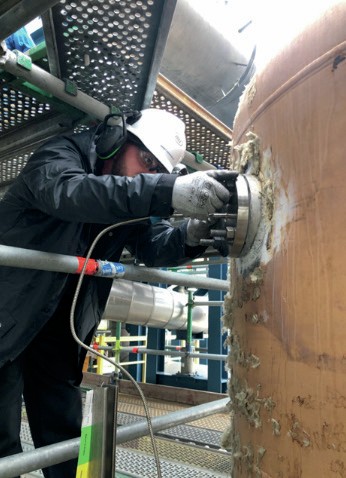
The incident
The DCS operator notices that a pressure transmitter in the high pressure urea synthesis section has failed. Two operators go to the pressure transmitter and see leaking fluid (ammonium carbamate) coming out of the insulation. In order to further assess the size of the leak, they remove the insulation. The transmission fluid capillary breaks off. Hot fluid releases and causes injuries to two operators…
The causes
The material of construction of the diaphragm was 316L stainless steel. This material experiences relatively high corrosion rates and is sensitive to, for example, condensation corrosion. This caused a leak in the diaphragm on the extended body. The leak source was the capillary, which was corroded due to the corrosion of the diaphragm, creating an open connection with the hot process media under high pressure. The corrosion of the capillary is a result of the corrosive ammonium carbamate.
The consequences
Health and safety: Two operators were injured, a QHSE investigation was performed and a QHSE report prepared with lessons learned and knowledge sharing.
Operational and technical costs: There was an unplanned shutdown for seven days: three days to do the maintenance and four days to start up the urea plant once again.
Production loss: Production loss 14,000 t of urea corresponding to some EUR 5 million loss of revenue.
Other: The incident caused organisational stress, because of the urgency to get the plant back on-line.
Lessons learned
To minimise the risk of a failed diaphragm it is recommended to upgrade to a higher grade material. Also, it is recommended to improve the maintenance instructions to operators to insure that they are aware of the risk of corrosion of capillaries.
Badotherm has developed a full-body EXT-FSO diaphragm-seal system made from Zirconium 702; it has been in operation for over ten years.
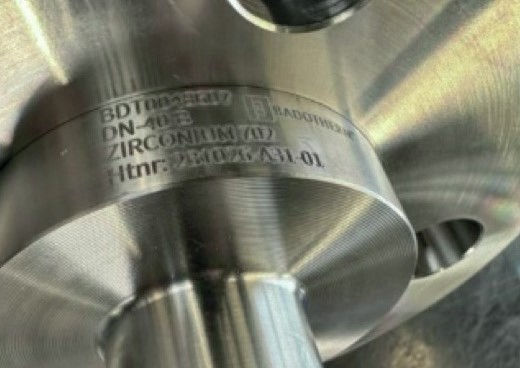
Since its installation in 2014, the zirconium diaphragm seal has consistently operated without failures or unplanned maintenance. An in-service calibration conducted in 2017 verified that neither degradation nor measurement drift had occurred during operation. By 2026, the seal will have achieved over 12 years of uninterrupted service, establishing a new standard for on-stream performance in diaphragm seal applications within urea synthesis processes
Zirconium material became the internal standard seal material at this site, after the accident: More than 25 units of zirconium seals. Maintenance procedures were reviewed and improved.
Badotherm Is a leading manufacturer of with almost 70 years of experience in the production of highly specialised mechanical pressure measurement instruments. They specialise in the design, manufacturing and assembly of diaphragm seal to pressure transmitters.